Child Nutrition

Childhood Obesity: Shocking Causes and Simple Fixes for Busy Parents

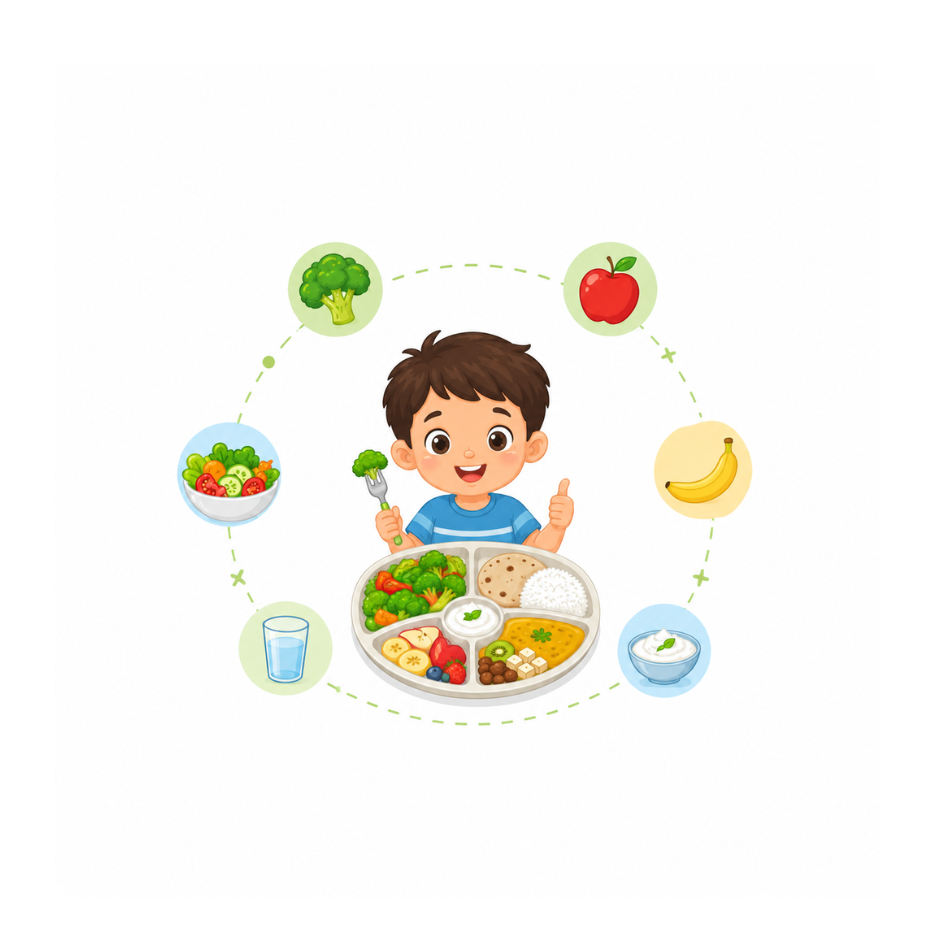
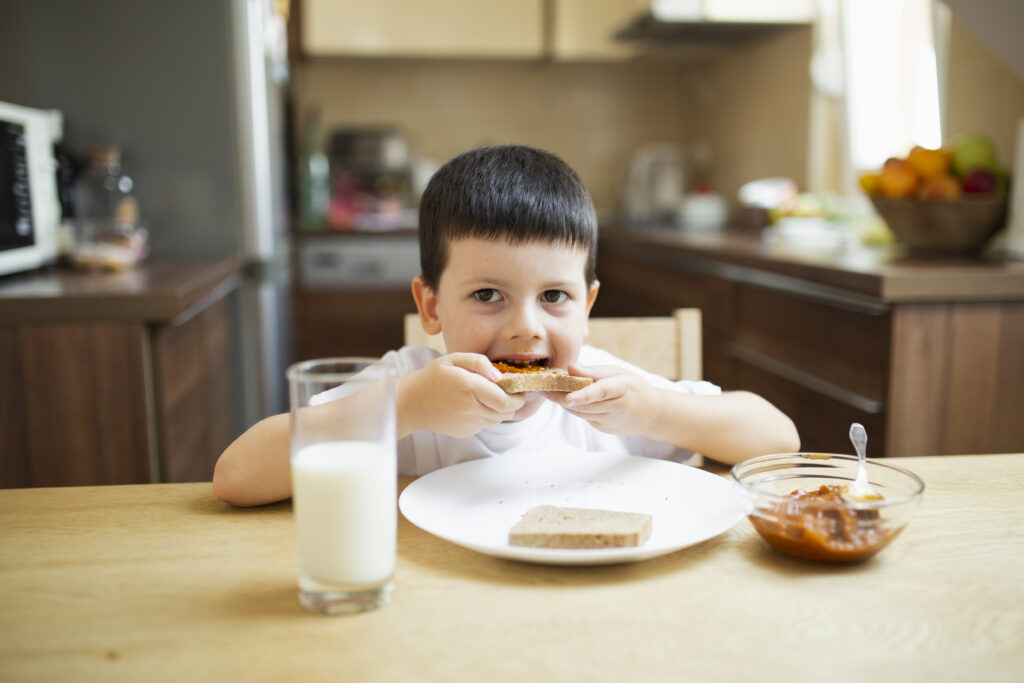
India ranks second in the world for Childhood obesity. 41 million kids in India are overweight or obese, this includes ~14.9 million children aged 5–9. So childhood obesity is not starting with rebellious teens; it is starting as early as 5 years of age. Childhood obesity has shocking causes and very simple fixes for busy parents. Let’s discuss one by one. Causes for childhood obesity Pampering by parents/ grandparents/ family Yes, as a dietitian, I have experienced that this is the number one cause of childhood obesity. The family of kids keep saying, let’s feed the child whatever it wants, he will learn to eat healthy when he grows. Well, sad news is that if the child is not habituated with healthy food from childhood, they will never learn healthy eating in life. If the child has already developed picky eating, you might need counseling to improve the habit. Cesarean Section A lot of the urban population is planning a C-section for delivery. Unfortunately, it’s a major surgery and has many side effects. One of them is the child at risk for pre-adolescent obesity. Research has shown time and again. Surgery should be opted for when there is a clinical need, but elective surgery is not a great idea. One might say, it’s easier, trust me it’s not. In case you are scared of the pain, there are other measures like prenatal yoga, a healthy diet during pregnancy and an epidural injection during labour. Low Birth Weight Another shocking reason. A lot of studies have shown that an infant born with birth weight lower than 2.5 kg is likely to develop obesity early in life. This phenomenon is largely driven by “catch-up growth”. When small babies experience rapid weight gain in early infancy, it often programs their metabolism to store fat, raising long-term cardiovascular and metabolic risks. Nutrient Deficiencies Common nutrient deficiencies associated with childhood obesity are Protein, Vitamin D, Iron, Zinc, Magnesium, Vitamins A, C, E. No, no, don’t rush for supplements. These deficiencies happen because kids with picky eating usually consume more empty calories and not nutritious foods, and then the deficiencies cause hidden hunger. This hidden hunger makes them have cravings. Also, Indians never say no if a child is asking for food. Gol-matol bachcha acha lagta hai na. Babies look cute when chubby Baby fat will go away; let the child eat. That’s the biggest myth. Baby fat goes after the child is 1 year old and the child starts walking. This development makes the child very active, and this is followed by a period of rapid growth and development. Baby fat should go away at this age. In case a pre-school child is so-called “chubby”, then I am sorry to say, the child is suffering from childhood obesity. Low physical activity Urban India has a very common pattern of providing toddlers with mobiles/ tablets and middle-schoolers with laptops. The screen has snatched the playtime. One might argue, we don’t have parks nearby, where would the kids play? As a child, I didn’t have a park nearby. We used to play inside the house, with a ball, skipping rope, table tennis on dining tables, and lawn tennis in the sitting room. Jumping around in stairs, cycling in the evening in the parking area before the cars came back from offices. If you don’t give screen, kids will find a way to jump around. There are many more; it will be easier to explain in a counselling session, and the discussion should be held specific to your child, since getting scared with lot of possibilities is very overwhelming for parents. Simple fixes for busy parents Take Help: If you are both working parents, you CANNOT get by without help. Take help. If you can hire cleaning staff, cooking staff and every kind of person who can let you spend your extra time (time apart from office) with your kid. Ask for help from grandparents too. They are fond of their grandkids, bank on the opportunity. Be the right ideal: If you want your kids to eat healthy, you have to set the right environment. No Ultra-Processed Rule: Be strict about this; no one should be allowed to gift your kids with unhealthy stuff. NOT EVEN GRANDPARENTS No Screens: Yes they might make the home bit messy, yes they might sometimes get hurt. It’s ok. Give them opportunity to play and jump around. Give props which will make them active. If you have a park nearby, please find time to take them. Introduce balanced meals at an early age: If you are eating healthy balanced meals, the kids will follow. Some foods they would initially reject. They are new to Earth, it’s ok, everything is new to them. Give them rest, let them try a maximum of two new foods in a week, let them get used to them. Once they get familiar with the taste, move on to other new foods. Some kids do not like two textures together; they will have chapatti/ paratha with vegetable preparation, but soft rice made pulav should not have crunchy veggies in the recipe. Try to prepare meals with similar textures and do not mix two kinds at one meal. Every parent might have a specific challenge, as every family is unique and so is every child. You are most welcome for personalised counseling session with me.

Childhood Obesity: Shocking Causes and Simple Fixes for Busy Parents Read Post »
Gut-Health, Child Nutrition

Celiac Disease in Children: Gluten-Free Nutrition Guide

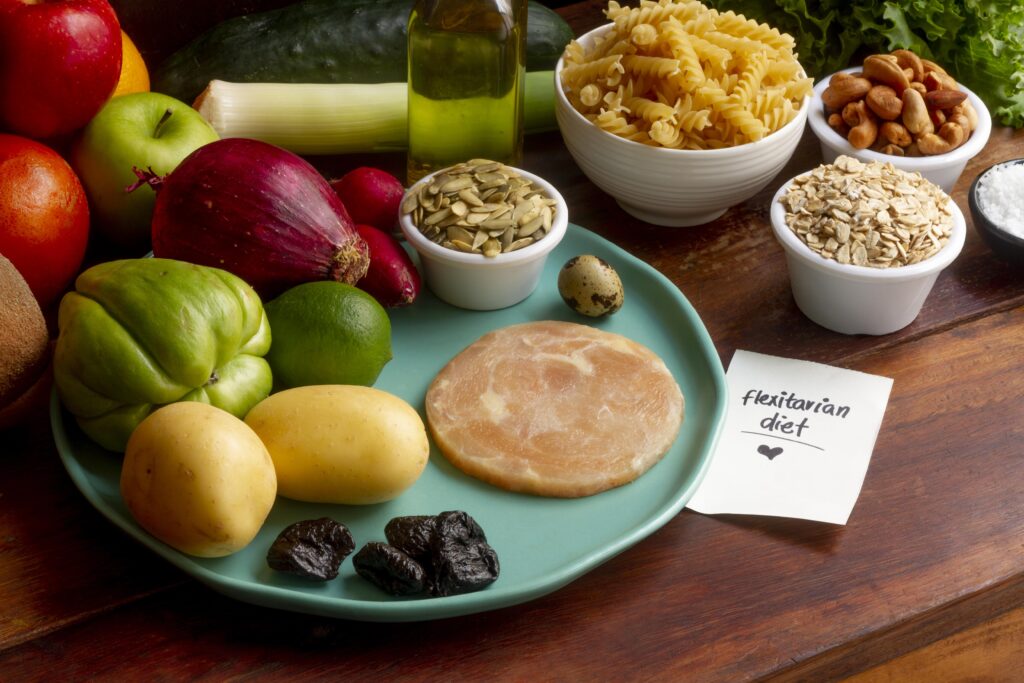
It is devastating for a parent to know their kid has an autoimmune disease like Celiac Disease in kids. It becomes more challenging when the condition forces the child to restrict something that is a family staple food ~ Wheat. When we discover Celiac Disease in Children, Gluten-Free Nutrition Guide is highly important. Celiac disease is an autoimmune disease that damages the intestine when gluten-rich foods are consumed. Some children can develop gluten-intolerance as a secondary condition. For example, if a child has Intestinal bowel disease, a gluten intolerance can show up, and the consumption will be restricted. Parents can start seeing symptoms as early as 6-9 months when weaning food is introduced to the baby and gluten rich foods cause digestive problems. The most challenging part is that Indians feel that if they do not give wheat to the child, the child will not get enough food. How will the child grow? How will we fill his stomach? The Bad News Yes, the food restriction seems massive. Wheat is a staple food in the north and central India. Kids often wish to eat what their family eats, hence we find it difficult to avoid it too. Also, Wheat is not exactly the restriction; gluten is. The other grains that have gluten are as follows: Common Ingredients we should check while buying foods are: Malt flavoring, malt syrup, malt extract, malt vinegar, and brewer’s yeast. We have to be careful not only while preparing food at home, but also while buying ready-made food. Awareness has been created, hence most food companies issue label warnings on their product which may contain gluten. Some products are not made of the raw material that has gluten, but are prepared in the same production line, hence, can be contaminated. That’s why checking labels should become a law. The Good news India being rich in variety, your kid still has a lot of options even to prepare roti. Nutrition, growth, and satisfying hunger are all challenges that can be easily overcome with minor planning. Nutrition Challenges The parents might continue to give gluten-containing foods if the child has celiac disease, but hasn’t been diagnosed yet. This will impose a serious challenge as the child will have digestive issues like chronic diarrhoea (often foul-smelling), abdominal pain/distension, bloating, vomiting, constipation, nausea, and gas. These challenges will lead to excessive weight loss. Hence, if you can understand the pattern, as to when the baby shows symptoms, based on that, you must visit the paediatrician and explain everything to them. Once the diagnosis is established, we can take precautionary measures. If unrestricted food is continued, the baby might face failure to thrive (poor weight gain), short stature, delayed puberty, irritability, anaemia (from iron deficiency), enamel damage on teeth, weight loss, and even neurological issues like ADHD or headaches due to malabsorption of food. Infants, toddlers, older children and teens can all show slightly different symptoms. Family Elders, Neighbours, Google and Chat GPT For some reason, elders in your family or neighbours might say, “Doctor to aise hi kehte hai, roti nahi khayega bacha to kaise chalega, khila do kuch nahi hoga”. Astonishingly, many people will believe that and continue to feed the child wheat-based products. Self-diagnosis with internet searches is another major challenge. We have to understand that some kids might have mild indigestion, and the parents might self-diagnose and create unnecessary restrictions. Mostly because gluten-free is a trend, and people say anything for likes and views. Building a Balanced Gluten-free plate To manage nutrition, our only concern is providing optimum nutrition so that the kids’ growth and development reach maximum potential. We have already discussed various cereals and grains that can be safely given to the child. That is the only replacement happening in the child’s diet. Rest remain the same. 25% cereal based foods, ~ Gluten-free as mentioned above 25% protein rich foods, ~Dairy, pulses and legumes, nuts and seeds 40% vegetables, Seasonal 10% fruits, Seasonal Healthy fats from nuts and seeds, Less visible fats from Ghee, butter, Oil Adequate water. Other important factors will include adequate physical activities, sleep and rest, playtime and education for overall development of the child. Sharing is not caring for Celiac Kids We have to educate the child now and then and make sure there is no scope for errors. Maybe the child was diagnosed with celiac at the age of 9 months and now he is 12 years old. They wish to explore recipes and talk to friends, share tiffin. They will be inclined to processed foods, a lot of which are seemingly safe, but might have traces of gluten. Your kid knows potato is allowed, but as mentioned earlier, the potato chips might have been made on a production line used for other products containing gluten. Such warnings are mentioned on food labels, but the friend might be carrying a few potato chips in their tiffin box that do not have the label. Junk food is, anyway, not good for kids, better to avoid. The teachers and caretakers also must be educated and warned. Keep in touch The most challenging time is the initial time when diagnosis is made. Regular touch with the clinical team, including the doctor and dietitian, is essential till all doubts are clear. After that, at least 6 monthly follow-ups with both doctor and dietitian will help manage symptoms and avoid trouble in the long term. Regular professional interaction will also motivate the child to follow the restrictions well. Parents can also discuss how to keep meals interesting for the children alongwith maintaining a gluten-free pattern. Stay Safe.

Celiac Disease in Children: Gluten-Free Nutrition Guide Read Post »

Child Nutrition

Child Nutrition for Body Aches: Foods That Help

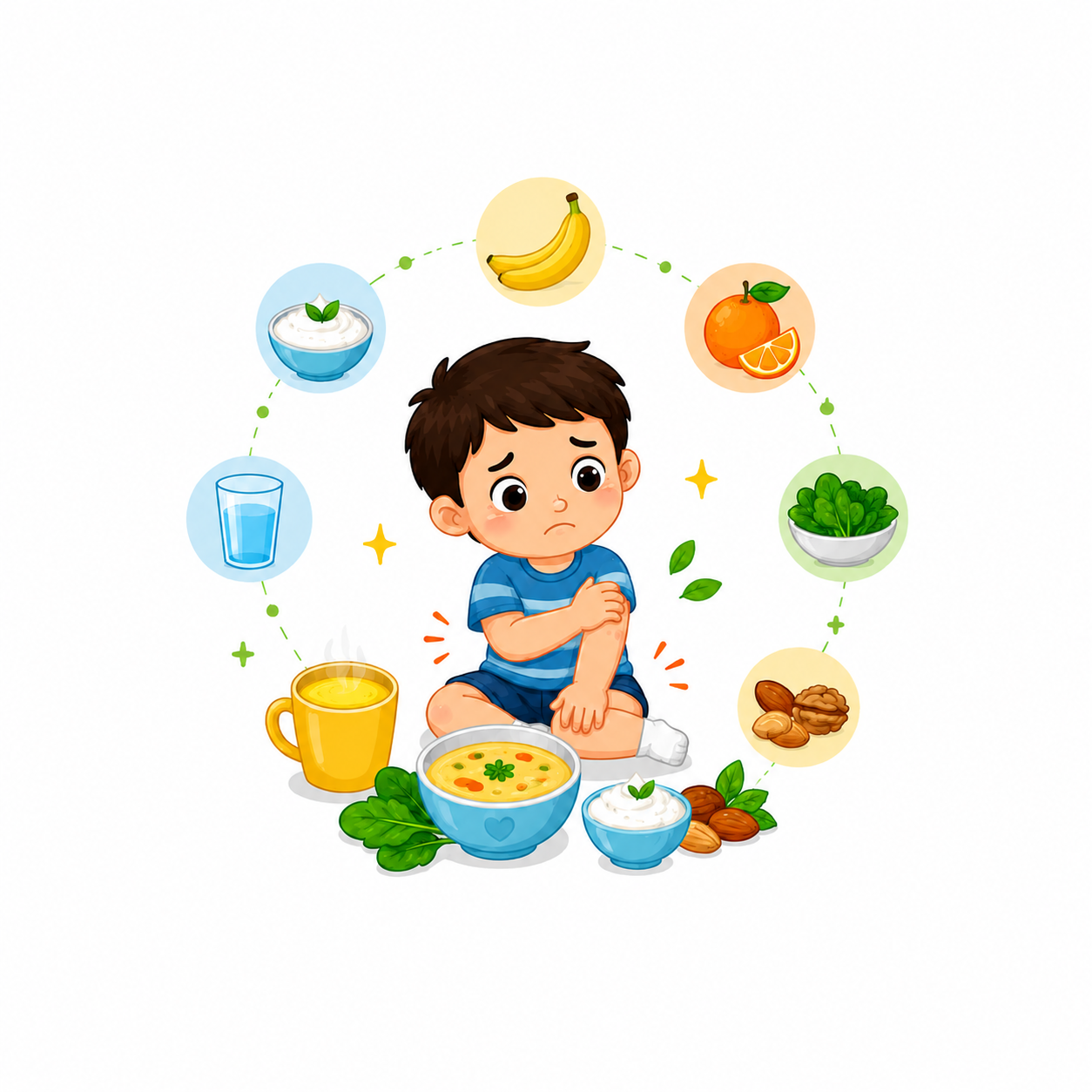
Your kid is growing every day. Sometimes you will notice slow growth, but at certain age brackets, the growth is rapid. That period is called the Growth Spurt period. Kids will be happy to grow faster, but along with it comes the pain. Growing pains are typically dull, cramp‑like leg aches that children feel in the evening or at night, often during rapid growth spurts. At this time, Child Nutrition for Body Aches & Foods That Help Reduce Growing Pains and Muscle Stress play a very important role. Growth & Development In India, ICMR‑NIN and IAP guidelines emphasize that nutrient needs are higher “per kg body weight” in infancy and childhood than in adults, so the diet must be nutrient‑dense, not just bulky. Unfortunately, parents and guardians are trying hard to fill the tummies of kids with anything they accept instead of planning healthy, balanced meals. Main stages of growth Key macronutrient needs (India‑context) ICMR‑NIN 2020 advises 0.66 g/kg/day EAR (Estimated Average Requirement) and about 0.83 g/kg/day RDA (Recommended Dietary Allowance) for most age groups. For cereal‑dominant diets with lower‑quality protein, many dietitians still recommend ~1 g/kg/day to be safe. Typical energy‑distribution pattern recommended for children: Critical micronutrients and roles Nutrient Main role in growth Important food sources Iron Hemoglobin synthesis, cognitive development; marked increase in adolescence (especially girls).  Green leafy vegetables, pulses, jaggery, fortified cereals, meat, eggs. Calcium & vitamin D Bone mineralization, growth spurt support; requirement rises sharply in adolescence.  Milk, curd, paneer, small fish, fortified dairy/non‑dairy, sunlight + fortified foods. Zinc Immune function, appetite, growth velocity; deficiency → stunting and infections.  Pulses, nuts, seeds, dairy, eggs, meat. Vitamin A Vision, mucosal integrity, immune defense; deficiency → increased infection risk and night‑blindness.  Liver, eggs, dairy, orange‑yellow vegetables, green leafy vegetables. Practical nutrition guidelines for Indian children From ICMR‑NIN Dietary Guidelines and IAP‑type recommendations: What you can emphasize in your practice Other Points in Indian Context Growth and development might not be the only reason for your child’s pains. Final Word Good nutrition is important for growth and development, and medicines are not going to give permanent solutions. Normalise visiting dietitians.

Child Nutrition for Body Aches: Foods That Help Read Post »

Child Nutrition

Kids Getting Frequent Infections

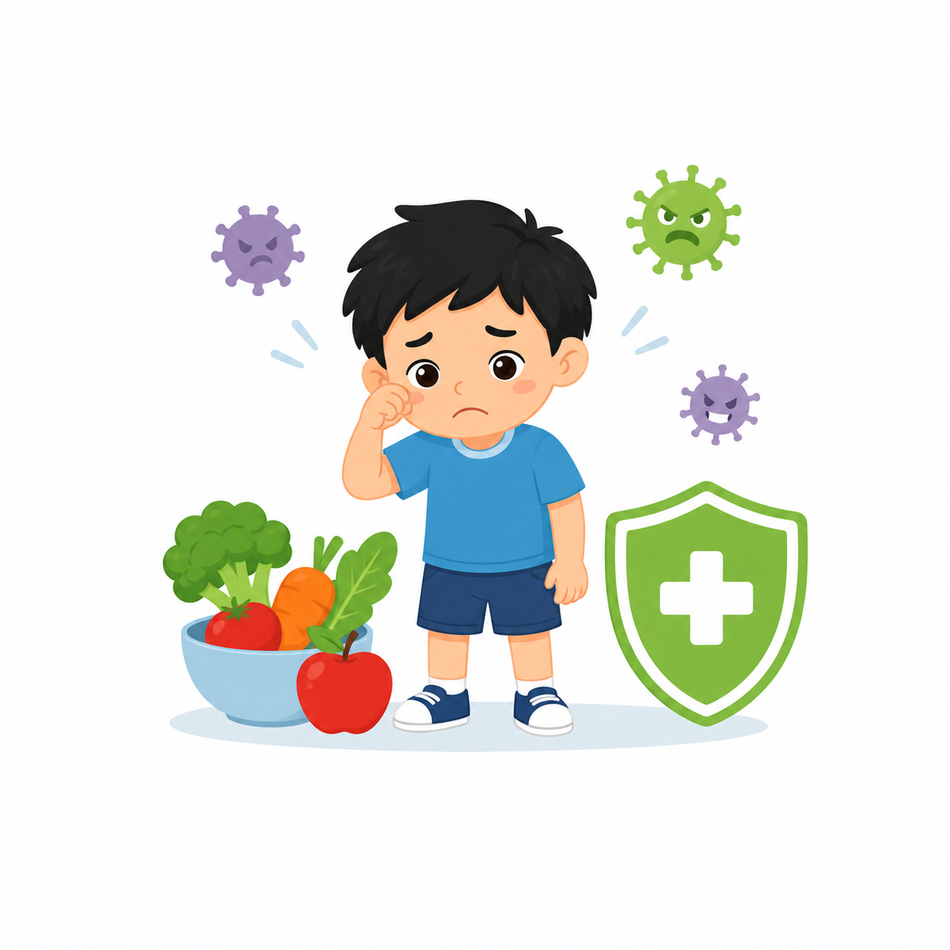
Kids getting frequent infections is a big worry for parents. Noone likes to see their child suffering every now and then. Let’s discuss the challenge and what we can change to avoid this situation. Challenges with kids getting frequent infections Frequent infections mean lower weight, growth & development. Infection means the body has to fight a pathogen (disease-causing microorganism). To fight, the body needs extra energy. More energy than a child would normally use. Another problem is that a small child doesn’t understand what is happening. They give up food every time they get infections and become very cranky. Now the body is using more energy to fight the pathogens, and the child refuses to eat. Hence, lower weight and growth & development is noticed. Infections take longer to heal There are two reasons for this. The child doesn’t drink adequate water Drinking adequate water is the first rule of any infection. Kids deny that. Especially in case the child is having throat trouble. Many parents complain that the child anyway doesn’t drink enough water, making them drink during an infection becomes a bigger challenge. Child Doesn’t sleep A child who is not feeling well and hungry will be cranky and will have difficulty sleeping. Sleep and rest also play a crucial role in the healing process from illness. Parents panic Parents, espectially first time parents, panic in this situation. A stressed person finds it more challenging to adhere to a child’s emotional needs at this hour of pain and hurt. Sometimes mothers start crying themselves. Kids are emotionally attached and can feel the panic. That makes them more clingy and cranky. Solutions for kids getting frequent infections a) The solution doesn’t start when the kids get sick. It starts when the child is born. Studies have shown that during pregnancy: Then the child has better immunity as compared to peers. Studies have also shown that if the child gets 6 months of exclusive breastfeeding and then continued upto 2 years with weaning, then immunity is much better. But in this scenario too, the mother needs to take a wholesome, healthy diet. b) It has been seen that if the child is overprotected by parents, always being cleaned, not playing in parks with sand, near trees, never letting clothes get dirty, not playing with other kids for fear of infections, then the child can have lower immunity as the immune system learns as they encounter pathogens. If we do not allow the child’s immune system to encounter minor pathogens, the immune system is not ready when bigger infections hit. c) If the weaning includes mostly milk. Yes, at weaning, we should start introducing a balanced diet. The form will start with liquid, then solid, but depending on only milk is not enough after 6 months of age. IF they do not eat well otherwise, they will not eat when they are sick. If the child is eating well otherwise, there is a high chance that the recovery will be faster. d) If we do not allow the child to be active due to the fear of falling. Most parents give mobiles/ tablets to toddlers to keep the child from creating a mess, falling or when the parents are working and they do not wish to be disturbed. Physical activity makes them use their energy, sleep well and on time, and makes them hungry enough to eat well. e) If the child develops a habit of drinking water regularly, there is a high chance they will drink better during infections. That helps a lot in early healing. When the child gets sick Final Word Talk to a dietitian, not after getting sick, generally. At least 4 sessions (quarterly placed) per year are important. Get qualified guidance.

Kids Getting Frequent Infections Read Post »

Article, Heart Health and Blood Pressure

Say Goodbye to High Cholesterol – Expert Diet & Lifestyle Consultation

High cholesterol has quietly emerged as one of the most common lifestyle worries in today’s rapid-paced world. Often known as a “silent” circumstance, it doesn’t commonly show symptoms until it results in extreme health issues like heart disease, stroke, or arterial blockages. But with the right, healthy diet for cholesterol management,, with lifestyle adjustments, can help. This enhances your basic heart health naturally. If you are seeking out excessive cholesterol control without useless complications, it’s time to focus on nutrients. Healthy behaviour and expert steering from a professional dietitian is a must. Understanding Cholesterol – The Basics Cholesterol is a fatty substance found in each cell of your body. It’s vital for producing hormones, diet D, and digestive enzymes. However, when cholesterol levels go out of balance — mainly the “horrific” LDL cholesterol — it can cause fatty deposits in your arteries, leading to restricted blood flow and a better chance of coronary heart disease. The key to High Cholesterol Diet plan manipulation is reducing LDL ranges even as maintaining or growing HDL ranges via a balanced cholesterol weight loss plan and normal physical hobby. Causes of High Cholesterol Some elements are past your control, together with genetics, age, or certain medical situations. However, way of life factors play a big function: Dietary for cholesterol management Your excessive ldl Cholesterol Diet healthy eating plan ought to raise awareness on meals that evidently lessen LDL ldl cholesterol and promote coronary heart health. 1. Eat greater soluble fibresSoluble fibre acts like a magnet for LDL cholesterol, attaching to it and helping your body to flush it out. This procedure helps clean arteries and improve heart fitness. 2. Choose Heart-Friendly FatsReplace risky saturated fats with unsaturated fat that nourish and guard your heart. These wholesome fats can help lower terrible ldl cholesterol and enhance common cardiovascular well being. 3. Plant -Select the proteinReduce red meat intake and choose protein from plant protein.Source: Beans, Chole. 4. Add greater fruits and vegetablesThey are wealthy in antioxidants, nutrients and minerals that fight irritation and support heart characteristics. 5. Avoid trans fatGive it to the baked snacks, fried fast food and cooked items with hydrogenated oils. Sample Diet Plan for Managing High Cholesterol A considerate meal plan can play a chief function in lowering ldl cholesterol and protecting your heart. Here’s an example of a coronary heart-healthful every day routine: In the morning (just after waking up): Start to gently wake up your system to mix your day with fresh lemon juice with a glass of warm water. Alternatively, Boost your omega-3 naturally with a teaspoon of ground alsi (flax seeds) or add walnuts (akhrot) to your daily diet for a healthy dose of essential fatty acids. Breakfast: Have a bowl of cooked oats crowned with nuts and berries for a nutrient-wealthy starting, alongside a cup of green tea to offer antioxidants and raise your metabolism. Mid-Morning Snack: Enjoy an easy apple or pear, paired with 5–6 almonds which have been soaked in a single day for higher nutrient absorption. Lunch: Choose both rice or whole wheat chapati, served with a part of dal, some lightly sautéed vegetables, and an aspect of sparkling salad for fiber and hydration. Evening Snack: Snack on roasted makhana or sprouted moong for a healthy protein boost. This keeps you energized and full until dinner. Dinner: Enjoy steamed or lightly pan-fried rohu with masala, or besan chilla with spinach. Pair it with amaranth or jowar upma for a nourishing end to your day. Lifestyle Habits for Healthy Cholesterol Levels Why Professional Guidance Matters Working with a professional dietitian could make all of the difference. A personalized excessive ldl cholesterol weight loss plan takes into account your medical records, day by day recurring, and meals options—making sure that your effects are each effective and sustainable. At Dietitian Anuradha’s, every plan is crafted to deliver lengthy-time period blessings—balancing nutrients, guiding way of life adjustments, and imparting sensible suggestions you could effortlessly observe at home. Take the first step in the direction of higher coronary heart fitness these days. With the right nutrients, healthy habits, and professional steerage, you can effectively lower ldl cholesterol and shield your coronary heart for years to come.

Say Goodbye to High Cholesterol – Expert Diet & Lifestyle Consultation Read Post »

Article, Women Health Nutrition

Nutrition for Women in Their 30s & 40s: What to Eat & What to Avoid

During their thirties and forties, women experience slower and subtle yet impactful shifts within their body. There is an increase in the likelihood of developing conditions like diabetes, hypertension, and thyroid disorders. Additionally, the bone density in women may start to decline, and their metabolism may start to slow down. Hormones start to fluctuate. Unhealthy eating is more tempting, and professional responsibilities, coupled with family and social commitments, add to the chaos.  Hence, nutrition for women at this age is very important. Nutritional deficits are not the only factors that need to be tackled whilst entering middle age. The proper nutrition actively mitigates the risk of diabetes and hypertension, among other chronic lifestyle diseases. With muscles, bones, and overall vitality, strong nutrition balanced during this time is essential. Instead of relying on shortcuts, this is the perfect time to eat for the long-term restoration of the body and vital energy.  What Makes These Years Important for Your Well-Being   Skin elasticity and bone strength are two of the numerous aspects of a woman’s body that rely on estrogen and can suffer with its gradual decline in the mid thirties. Increased risk of developing perimenopause may cause irregular periods and a multitude of other symptoms in addition to mood disorders. As the body accumulates these changes, a diet rich in nutrients actively strengthens the body and protects vital functions. Additionally, a well-rounded diet can play a massive balancing role in the body’s ability and aid in long-term support. Nutrition for women should include 1. Calcium and Vitamin D for Firm and Healthy Bones The aging process can be rough.  Furthermore, the deterioration of bones begins to ramp up after the third decade of life, necessitating the intake of Vitamin D is a big deal, let’s not kid ourselves. Where to score it? Think low-fat dairy, those fancy plant milks with “fortified” plastered on the label, spinach, ragi (underrated, honestly), sesame, and almonds. Oh, and don’t forget the OG source—just step outside. Sun’s free. Ten, maybe fifteen minutes and boom—your body’s cranking out vitamin D like a champ. 2. Lean Proteins: Muscle & Hormones Need Some Love Look, muscle mass isn’t forever. It starts bailing as you get older—rude, I know—so protein’s important. Plus, your hormones are basically running the show, and they need the good stuff. Stock up on: Lentils, chickpeas, tofu, paneer & other dairy, non-veg if you take. Whatever floats your boat. Pro tip? Cram a little protein into every meal, even evening snacks. It helps keep you full and your blood sugar from acting like a rollercoaster. 3. Healthy Fats: Not All Fats Are the Enemy Let’s squash the “all fat is evil” myth. Omega-3s? Total game-changer for your brain and heart. They even chill out inflammation. Best picks: walnuts, chia seeds, flaxseeds, other nuts and seeds. You know the trad practices that are coming back to life.  4. Fiber: Your Gut’s BFF Fiber isn’t just for your grandma, okay? It keeps things moving, supports your heart, and helps keep sugar levels in check. Where to find it: oats, brown rice, whole wheat bread, veggies, fruits, pulses (take sprouts too). Mix it up. 5. Iron & Folate: Energy On Tap If you’re always tired, maybe it’s not just “one of those days.” Iron deficiency is a sneaky culprit, and folate’s right up there in importance for cell repair and blood health. Get it from: spinach (again!), beetroot, lentils, fortified cereals, lean meats. You’re welcome. 6. Antioxidants: Skin & Cells in the Spotlight Want that glow? Antioxidants are your ticket. They fight the bad stuff (oxidative stress), slow down aging, and keep your skin looking fresh. Best sources: berries, citrus, tomatoes, carrots, green tea, basically anything bright and colorful in the produce aisle. 7. Hydration: The OG Beauty Hack Water isn’t just for thirsty people. It does everything—boosts metabolism, helps detox, keeps your skin less, well, crusty. Tip: Aim for 8–10 glasses, and toss in water-rich foods like cucumber and watermelon if plain water bores you to tears. Stuff to Avoid (or, at least, restrict) 1. Refined Sugars Cakes, sodas, packaged “fruit” juice—these guys spike your insulin and mess up your hormones. Not cute. 2. Salt Overload Processed stuff, instant noodles, chips, canned soups—too much sodium means puffiness and high blood pressure. Pass. 3. Trans Fats Margarine, fried foods, and baked goods with “hydrogenated” on the label should be avoided as these fats are basically out to get you. 4. Caffeine Mania Coffee’s great until it’s not. More than two cups? You’re risking bad sleep and messing with your bones. 5. Alcohol Not a drop is ever cool, & definitely don’t go wild. Too much and your hormones, bones, and liver aren’t going to thank you.Remember Alcohol has worse health effects on women.  Lifestyle Moves to Back Up Your Diet – Move your body. Lift, stretch, run, whatever. Just don’t be a statue. – Stress less. Try yoga, deep breathing, or just shut your phone off for a minute. – Sleep’s not optional—7 to 9 hours, minimum. – Don’t skip those check-ups. Get regular monitoring of blood pressure, sugar, cholesterol, and bones. A Real-Life Day on a Plate (for Women in Their 30s & 40s) Final Word Honestly, your 30s and 40s? That’s prime time to get your act together for the future. Eat smart, move around, ditch the junk, and you’re setting yourself up for decades of feeling good. And hey—if you want the VIP treatment, Dietitian Anuradha’s got your back. She’ll whip up a plan that actually fits your life, and not just generic advice. Go on, invest in yourself.

Nutrition for Women in Their 30s & 40s: What to Eat & What to Avoid Read Post »

Uncategorized, Article, Child Nutrition

How to make a diet chart for a 3-6 year old child?

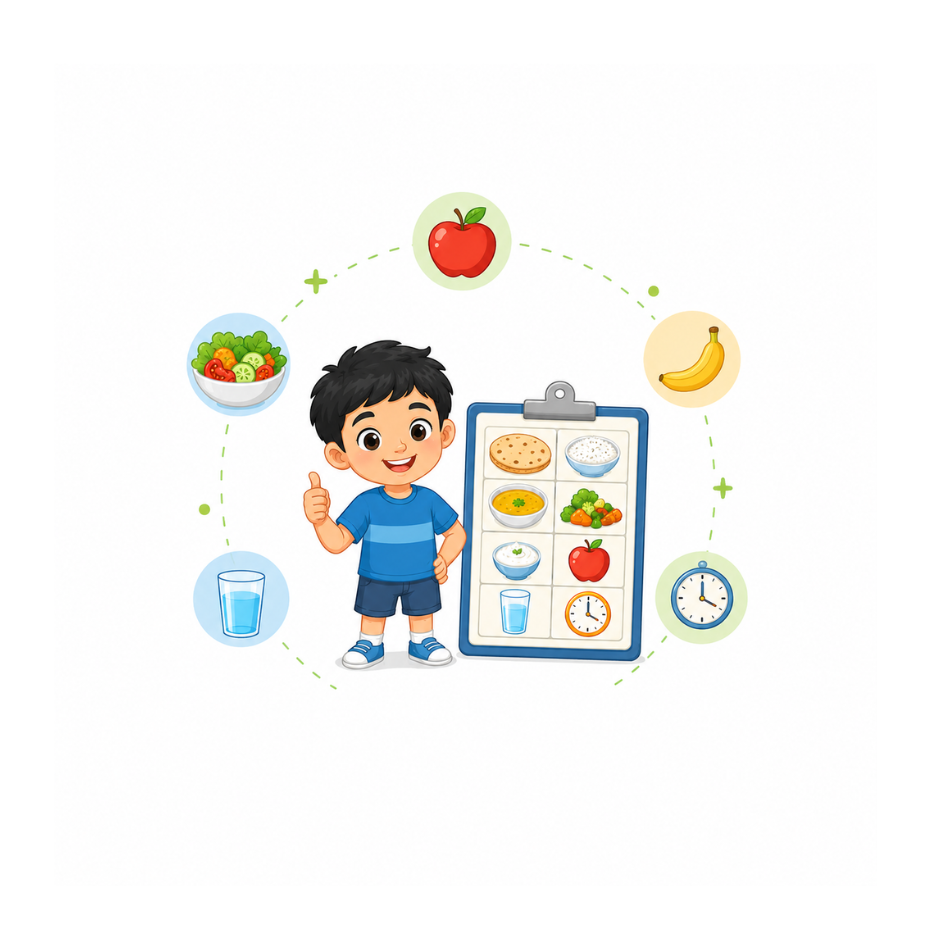
A food guide by a dietitian Anuradha Children between 3 and 6 years of age undergo an important phase of development and development. Their brains are growing rapidly, physical activity increases, and therefore requires proper nutrition. As a parent, providing the right balance of foods rich in vitamins, minerals and energy to your child is essential for their overall health and immunity. Creating a well-employed diet chart is not complicated for a 3-6 year old child. As a dietist Anuradha, we believe in keeping it simple, nutritious and tasty – using the ingredients available easily in every kitchen. 3-6 year nutritional requirements  What should be included in your child’s daily diet here:. Carbohydrates: Energy Booster (Roti, Millets, Sabudana, Bhutta (Corn), Makhana, Rice, Poha, Idli, Dosa, Uttapam, Ragi Mudde) . Protein: muscle and brain development (lentils & Pulses, curd and other dairy products, Nuts) . Fat: Essential for brain development (ghee, nuts & seeds, healthy oils) . Calcium: Strong bones and teeth (milk, ragi, curd, nuts & seeds, green leafy vegetables, water chestnut) . Iron: Blood and brain health support (green leafy vegetables, raisins, dried apricots, date, chickpeas & other legumes, nuts & seeds) . Fiber and liquids: Keeps digestion strong (fruit, whole grains, sprouts, salads, vegetables, tender coconut water, lemon juice, clear soup, thin lassi, water)  Ideal Meal Schedule for Children (3–6 Years) Creating structure helps children eat better. Here’s a simple routine: Meal Time Suggested Meal Early Morning (7:00 AM) Warm milk with a few soaked almonds or raisins Breakfast (8:30 AM) Vegetable upma / besan chilla / aloo paratha + curd Mid-Morning Snack (10:30 AM) Seasonal fruit (banana, apple, chikoo) Lunch (12:30 PM) Rice + dal + ghee + sabzi + small salad or curd Evening Snack (4:30 PM) Vegetable poha / dhokla / alu-chana chaat Dinner (7:00 PM) 1-2 phulka + paneer or dal + veggies Food tips for picky eaters Healthy Homemade Snack Ideas Foods to Avoid These foods are low in nutrition and can affect digestion, energy, immunity, Brain development, growth and development over time. Final Thoughts from Dietitian Anuradha The 3–6 age range is a golden window to build healthy eating habits that last a lifetime. A food offers a treasure trove of balanced meals using dal, roti, rice, vegetables, dairy, and fresh fruits. With the right guidance and simple planning, you can give your child everything they need—nutritionally and emotionally—on their plate. Want a personalized diet chart for your child based on their taste preferences, growth, or medical needs? Book a consultation today with Dietitian Anuradha and give your child the gift of lifelong health.

How to make a diet chart for a 3-6 year old child? Read Post »

Article, Diabetes, Thyroid, & Other Hormonal Issues

How to Take Control of Your Blood Sugar Naturally

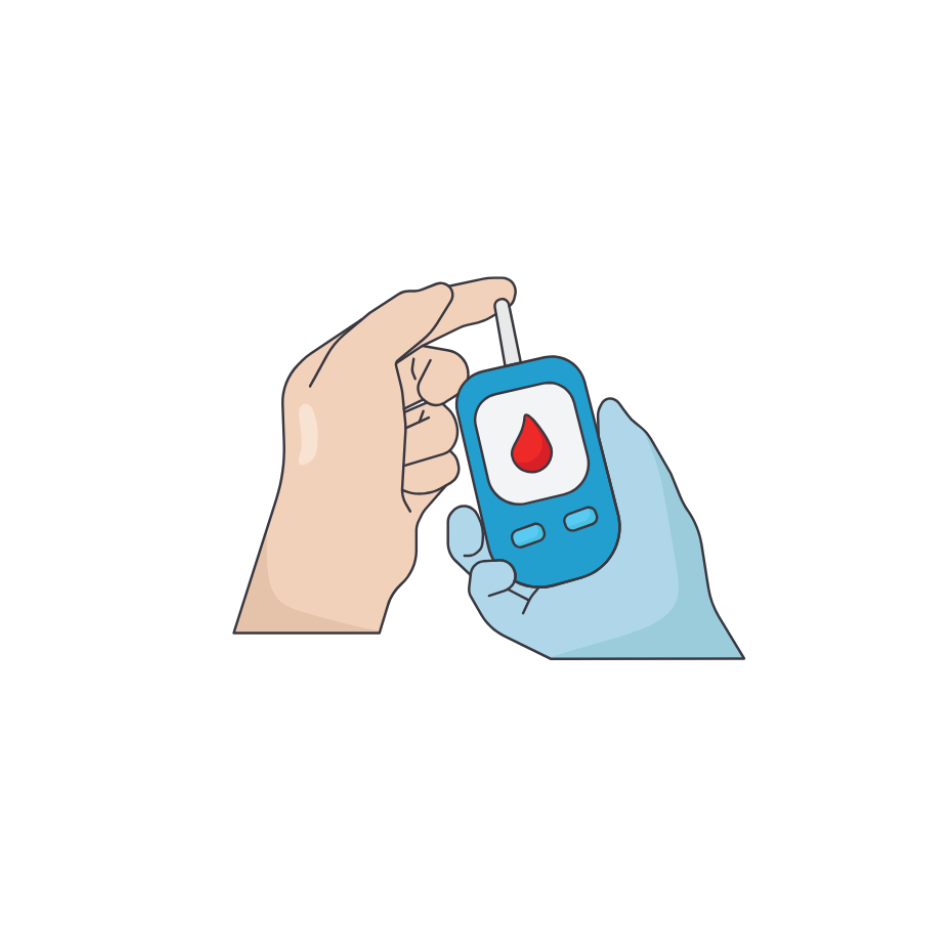
Blood sugar control doesn’t have to be difficult. Simple, sustainable lifestyle choices are some of the most effective adjustments you can make. A few minor changes to control blood sugar can have a significant effect on your general health, regardless of whether you have been recently diagnosed with pre-diabetes or are attempting to enhance your metabolic health. Let’s examine how to control blood sugar and some essential strategies for sustaining good health naturally and successfully, beginning right now. 1. Never Skip Meals and Snacks One of the most frequent errors people make is skipping meals in the hopes of controlling their blood sugar levels or losing weight. Missing meals can result in a sharp decrease in blood sugar levels, which is followed by a rise when you eat again, particularly if the meal is high in carbohydrates. Aim for consistent, well-balanced meals with 3 large meals (portionwise) and at least 3 small snacks in between; to keep blood sugar and energy levels steady. Protein, healthy fats, & fiber rich foods or complex carbohydrates work together to keep your blood sugar levels stable and your body fed. 2. Go for a Post-Meal Walk Walking for 15 to 20 minutes after meals is the habit I advise every client with blood sugar issues to adopt. This easy exercise reduces post-meal sugar rises by improving how well your body uses the glucose from food. Even a short, brisk stroll around your house or neighborhood can have a significant positive impact on your insulin sensitivity and digestion. See how much better you feel after trying it after lunch or dinner. 3. Stay Hydrated Throughout the Day Because the body creates more concentrated glucose in the bloodstream when dehydrated, blood sugar levels may rise. Aim for 8 to 10 glasses of water a day, or more if you live in a hot area or are an active person. Keep taking small sips throughout the day, gulping down altogether maybe challenging.  Steer clear of sugary beverages such as energy drinks, juices, and sodas. An alternative that is both refreshing and blood sugar-friendly is water that has been flavored with lemon, cucumber, or mint. 4. Choose Fiber-Rich foods and understand Carbohydrate counting with qualified dietitians Just as important as when you eat is what you consume. Fiber-rich foods aid in reducing the rate at which blood sugar is absorbed, avoiding sharp surges. Increase your intake of vegetables, legumes, nuts, sprouts, and whole grains (millets, dalia, multigrain atta for roti). These foods promote gut health, to control blood sugar, and prolong feelings of fullness. Limit refined carbohydrates, highly processed foods, and added sugars as much as you can. Even if we take low glycemic index foods, we might still see a spike in our sugar levels. It happens because maybe we are taking too much of low glycemic index foods at one go, which makes total carbohydrate counting high. Thus, it is important that we not only understand what to eat and what not to eat, but also portions that can be taken from each food group in all meals and snacks. 5. Prioritize Stress Management Although stress is sometimes disregarded in diabetes management, it has a significant impact on blood sugar regulation. The “stress hormone” cortisol is released by your body when you’re under stress, and it might raise your blood sugar levels. Daily routines that reduce cortisol and enhance mental and physical well-being include deep breathing, yoga, guided meditation, and even journaling. Maintaining your mental health is equally as vital as maintaining your physical health. Small Steps, Big Results Keep in mind that you don’t have to make all of these adjustments at once. Over time, even one new habit, like drinking more water or going for a walk after meals, can result in big gains. Blood sugar control is a process rather than a race. Consistency, mindfulness, and paying attention to your body are the most important factors. Additionally, engaging with a competent dietitian can make the process more individualized and easier if you need support along the way. Need Help with a Personalized Plan? I can help if you want to control blood sugar levels or sustainably manage your diabetes. I provide personalised food planning, one-on-one coaching, and lifestyle advice to assist your health journey. Connect now.

How to Take Control of Your Blood Sugar Naturally Read Post »

Article, Diabetes, Thyroid, & Other Hormonal Issues

How to Manage Diabetes: 5 Surprising Diet Tips You Haven’t Heard

India has the second-highest rate of diabetes in the world, but it’s not just about the statistics; it’s also about how we’re handling—or not handling—the disease. Many individuals overlook crucial treatment components, such as nutrition and lifestyle, even if medications are frequently viewed as the mainstay. The following article discusses important tips for managing diabetes. These are five unexpected but crucial dietary recommendations that the majority of diabetics are unaware of, but should be aware of. 1. Proportions, Not Carbs, Are the Enemy Despite what is commonly believed, diabetics are not prohibited from eating carbohydrates. They are, in fact, necessary, but only in the proper amounts. Risky blood sugar rises (hyperglycemia) or decreases (hypoglycemia) might result from a poorly balanced carbohydrate intake. The secret? See a clinical dietitian so they can customize your carbohydrate consumption for you. Managing carbohydrates well is the aim, not getting rid of them. The concept that works favorably is Carbohydrate counting. In this method, the amount of carbohydrate given in each meal is controlled. This has proved to be a much more efficient method of managing blood glucose levels, as compared to choosing low glycemic index foods.     2. Protein Protects Against Diabetes and Isn’t Just for Bodybuilders You lose more protein when you have diabetes because it puts your body in a catabolic condition. The majority of Indians currently eat less protein than is advised. If you have diabetes, you probably began with a deficit, which hastens the course of the illness. To promote tissue regeneration and metabolic balance, it is essential to include high-quality protein sources such as dairy foods, pulses and lentils, lean meats & eggs. 3. Time Is Just as Important as What You Eat Even if you are eating the healthiest meals possible, your blood sugar will still be elevated if the timing is incorrect. Long intervals between meals or skipping meals can cause your blood sugar levels to become unstable. Rather, strive for regular, little meals that are evenly spaced out throughout the day. Maintain a schedule and refrain from binge eating; for diabetics, fasting and feasting are serious warning signs. 4. Watch Out Online: Not All Dietary Advice Is Equal Online, “diabetic diet” advice abounds, but a lot of it might be deceptive. The improper advice, such as extreme protein deficits or unbalanced nutrition, can do more harm than good, and this is true of both fad diets and “certified” influencers. Always seek advice from a licensed clinical dietitian, not simply someone who completed a weekend course, who has a Bachelor’s or Master’s degree in nutrition. 5. Prevention is Power—Early Damage Is Invisible When you are diagnosed, your pancreas may still be functioning at 60 to 95 percent, but it may quickly drop if you don’t make the right dietary and lifestyle choices. Unfortunately, until the damage is severe, it is not immediately apparent. Therefore, it’s imperative to respond quickly. Nutrition and exercise are your best tools to stop the progression and prevent complications; medication won’t keep you safe. Final Thoughts Ignoring diabetes control results in long-term misery rather than death, despite the brave statement that “we have to die anyway, might as well enjoy life.” Your quality of life will be determined by the decisions you make now, even though modern science can prolong your life for decades. Are you prepared to take charge of your health? Get professional advice from reputable dietitians that is suited to your needs. For individualized plans that will help you thrive rather than merely survive, get in touch with dietitian Anuradha.

How to Manage Diabetes: 5 Surprising Diet Tips You Haven’t Heard Read Post »

Article, Child Nutrition

How to Build a Balanced Diet for Kids: Expert Advice on Kids Health & Nutrition

The cornerstone of raising a healthy child is proper diet. Children’s growth, immunological response, cognitive development, and general well-being all depend on eating a balanced diet. Our goal at Dietitian Anuradha’s clinic is to help you make the best dietary choices for your child by offering professional guidance on children’s health and nutrition. The nutritional requirements of children change according to their age, level of physical activity, and developmental stage, regardless of whether you are the parent of a toddler, preteen, or teenager. In this guide, we will explore how to build a balanced diet for kids and the importance of incorporating the right food groups for each age group. Why is a Balanced Diet Important for Kids? A balanced diet for kids is essential for: 1. Physical Growth: Nutrients like proteins, vitamins, and minerals are necessary to support the growing bodies of children. Proper nutrition fuels their growth and development, keeping them healthy and active. 2. Immune Function: The right mix of fruits, vegetables, and proteins strengthens the immune system, helping kids fight off infections and stay healthy. 3. Cognitive Development: Omega-3 fatty acids, proteins, and other vital nutrients are critical for brain function and memory development, helping children focus and perform well academically. 4. Long-term Health: Establishing healthy eating habits early sets the stage for lifelong wellness. Kids who grow up eating a variety of nutrient-dense foods are less likely to develop chronic conditions like obesity, diabetes, and heart disease later in life. Key Components of Kids Health & Nutrition To achieve a balanced diet for kids, it’s essential to include all the major food groups, each contributing specific nutrients that children need at different stages of growth. Below is an overview of the most important food components to include in your child’s daily meals: 1. Protein-Rich Foods · Importance: Proteins are the building blocks of the body, supporting muscle development, immune function, and tissue repair. · Sources: Include lean meats (chicken, turkey), fish, eggs, pulses (lentils, chickpeas), nuts, and dairy products. · Tip: For toddlers and young children, offer smaller, bite-sized portions of meat, and encourage plant-based proteins such as tofu or beans for variety. 2. Dairy Products (For Bone Health) · Importance: Dairy products are packed with calcium and vitamin D, essential for bone growth and maintaining strong teeth. · Sources: Milk, cheese, yogurt, and fortified dairy alternatives like almond milk. · Tip: Choose low-fat options if concerned about calorie intake, but ensure that your child is still getting the right amount of healthy fats. 3. Fruits & Vegetables (For Immunity & Growth) · Importance: Fruits and vegetables are rich in fiber, antioxidants, and essential vitamins (like vitamin A, C, and folate) that support healthy skin, eyes, and a strong immune system. · Sources: Include a variety of colorful fruits (apples, bananas, oranges, berries) and vegetables (carrots, spinach, broccoli, peas). · Tip: Encourage kids to eat the rainbow — the more colorful their plate, the more nutrients they are getting. Try to make vegetables fun by turning them into shapes or using dips. 4. Whole Grains & Fiber (For Digestive Health) · Importance: Whole grains provide complex carbohydrates that fuel energy needs, while fiber supports healthy digestion and gut health. · Sources: Brown rice, whole wheat pasta, oats, quinoa, and whole-grain roti, millets. · Tip: Swap refined grains with whole grains for added nutrients. Try making oatmeal or whole wheat pancakes for breakfast. 5. Healthy Fats (For Brain Development) · Importance: Healthy fats are essential for brain function, cell growth, and hormone regulation. Omega-3 fatty acids are especially important during the growing years. · Sources: Olive oil, nuts, seeds, avocados, and fatty fish like salmon or mackerel. · Tip: Include a small portion of nuts or seeds in snacks, and drizzle olive oil over cooked vegetables for added healthy fats. 6. Water (For Hydration) · Importance: Staying hydrated is critical for maintaining energy levels, aiding digestion, and supporting overall bodily functions. · Tip: Encourage your kids to drink water regularly throughout the day, especially during physical activities. Avoid sugary drinks that can lead to weight gain and dental problems. The Role of Parents in Kids Health & Nutrition As a parent, you play a vital role in shaping your child’s eating habits. Here are some tips for helping your child develop a healthy relationship with food: 1. Model Healthy Eating Habits Kids tend to mimic what they see, so if you adopt healthy eating habits, your child is likely to follow. Make balanced meals a family affair, and let your children see you making healthy food choices. 2. Involve Kids in Meal Planning Involving your child in meal planning and preparation helps them feel more in control of their food choices. Ask your child what fruits or vegetables they’d like to include in their lunch or dinner, and make them part of the cooking process. 3. Create a Positive Eating Environment Avoid turning mealtime into a battle. Encourage your child to try new foods without pressure, and refrain from using food as a reward or punishment. Positive reinforcement can help kids develop a healthy attitude toward food. 4. Be Patient During the Teenage Years Teenagers often rebel against nutritional guidelines, opting for junk food and skipping meals. However, patience is key. Encourage them to make healthy choices, but respect their growing need for independence. They may return to healthier habits as they mature. Food Group Breakdown for Kids by Age Understanding the balanced diet for kids requires recognizing the nutritional needs at different stages of their development. Here’s a general breakdown of food groups for children of various age groups: 1-3 Years (Toddlers): · Food Groups: 30g of cereals, 22g of pulses, 5 servings of dairy, and 1-2 servings of fruits and vegetables. · Nutrient Focus: Essential for development, especially in the areas of bone health, immune support, and energy for rapid growth. 4-6 Years (Young Children): · Food Groups: 40g of cereals, 30g of pulses, 5 servings of dairy, and 3 servings of fruits/vegetables.

How to Build a Balanced Diet for Kids: Expert Advice on Kids Health & Nutrition Read Post »

Scroll to Top

Quick Enquire