
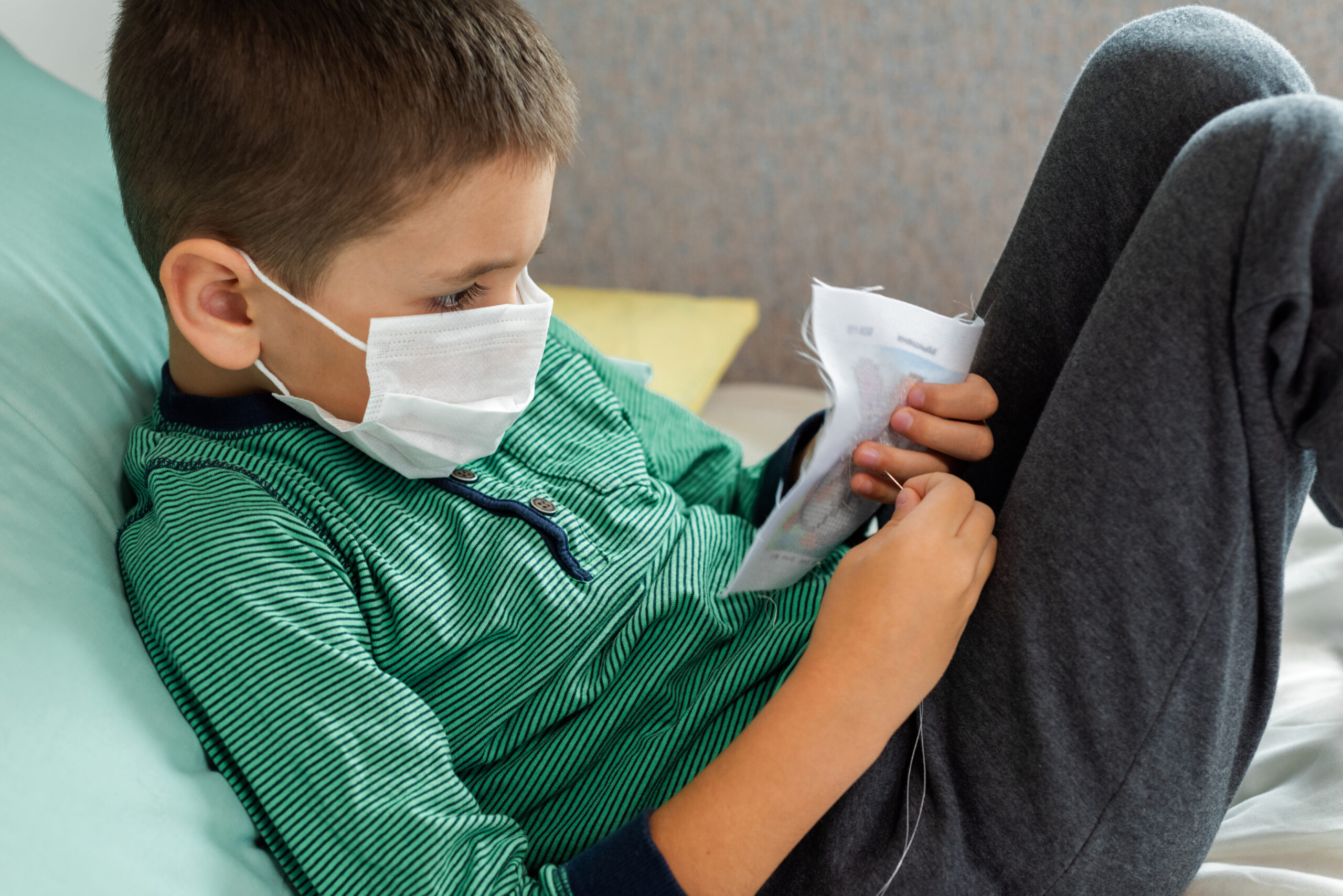
Kids getting frequent infections is a big worry for parents. No one likes to see their child suffering every now and then. Let’s discuss the challenge and what we can change to avoid this situation.
Challenges with kids getting frequent infections
Frequent infections mean lower weight, growth & development
- Infection means the body has to fight a pathogen (disease-causing microorganism).
- To fight, the body needs extra energy, more than a child would normally use.
- A small child doesn’t understand what is happening. They give up food every time they get infections and become very cranky.
- The body is using more energy to fight the pathogens, and the child refuses to eat. Hence, lower weight and growth & development is noticed.
Infections take longer to heal
There are three reasons for this:
- Since the child doesn’t eat well, the infection takes longer to heal.
- The immune system develops up to the age of 7 years in humans. Till then, kids are vulnerable.
- It is harder for kids who are already at a lower body weight.
The child doesn’t drink adequate water
- Drinking adequate water is the first rule of any infection. Kids deny that, especially when they have throat trouble.
- Many parents complain that the child anyway doesn’t drink enough water. Making them drink during an infection becomes a bigger challenge.
The child doesn’t sleep
- A child who is not feeling well and is hungry will be cranky and will have difficulty sleeping.
- Sleep and rest play a crucial role in healing from illness.
Parents panic
- Parents, especially first time parents, panic in this situation.
- A stressed person finds it harder to meet a child’s emotional needs at this hour of pain and hurt. Sometimes mothers start crying themselves.
- Kids are emotionally attached and can feel the panic. That makes them more clingy and cranky.
Solutions for kids getting frequent infections
a) It starts during pregnancy
The solution doesn’t start when the kids get sick. It starts when the child is born. Studies have shown that if, during pregnancy, the mother:
- Has been taking a healthy diet,
- Had a good meal and sleep schedule,
- Had a supportive family who helped manage stress, and
- Did pre-natal exercises,
then the child has better immunity compared to peers.
- Studies have also shown that 6 months of exclusive breastfeeding, continued up to 2 years with weaning, gives much better immunity.
- Here too, the mother needs to take a wholesome, healthy diet.
b) Do not overprotect
- Some children are always being cleaned, never play in parks with sand or near trees, never get their clothes dirty, and don’t play with other kids for fear of infections.
- These children can have lower immunity, because the immune system learns as it encounters pathogens.
- If the immune system never meets minor pathogens, it is not ready when bigger infections hit.
c) Start a balanced diet at weaning
- At weaning, we should start introducing a balanced diet, not mostly milk.
- The form will start with liquid, then solid, but only milk is not enough after 6 months of age.
- If they do not eat well otherwise, they will not eat when they are sick.
- If the child eats well otherwise, recovery is likely to be faster.
d) Let the child be active
- Many parents do not allow the child to be active due to fear of falling.
- Most parents give mobiles or tablets to toddlers to avoid mess and falls, or when they are working and do not wish to be disturbed.
- Physical activity makes children use their energy, sleep well and on time, and get hungry enough to eat well.
e) Build a water habit
- If the child drinks water regularly, there is a high chance they will drink better during infections.
- That helps a lot in early healing.
When the child gets sick
1. Family support
- Family should support new parents. Not by imposing your own rules, but by helping with what they need.
- That helps them not panic.
2. Know your child’s safe foods
- Identify a few foods from each food group (fluids, cereal, proteins, vegetables, fruits, nuts and seeds, fats) that the child never refuses.
- Try different combinations when they get sick. With a few trials you will know what works.
- Sometimes it’s not the taste but the texture that works.
- A meeting with a dietitian can help you further.
- If the child eats better, they will heal faster. Still, do not expect the child to eat like normal days, so please do not push.
3. Small and frequent meals
- Give in a small bowl, not a platter. A large meal can overwhelm the child.
- You might need to keep offering food the entire day.
- Taking a day off from work will help. Most offices are not generous enough, but a small child’s immunity requires you.
Final Word
- Talk to a dietitian generally, not only after the child gets sick.
- At least 4 sessions a year (one every quarter) are important.
- Get qualified guidance.
This article is for educational purposes and does not replace personalised medical advice.
