
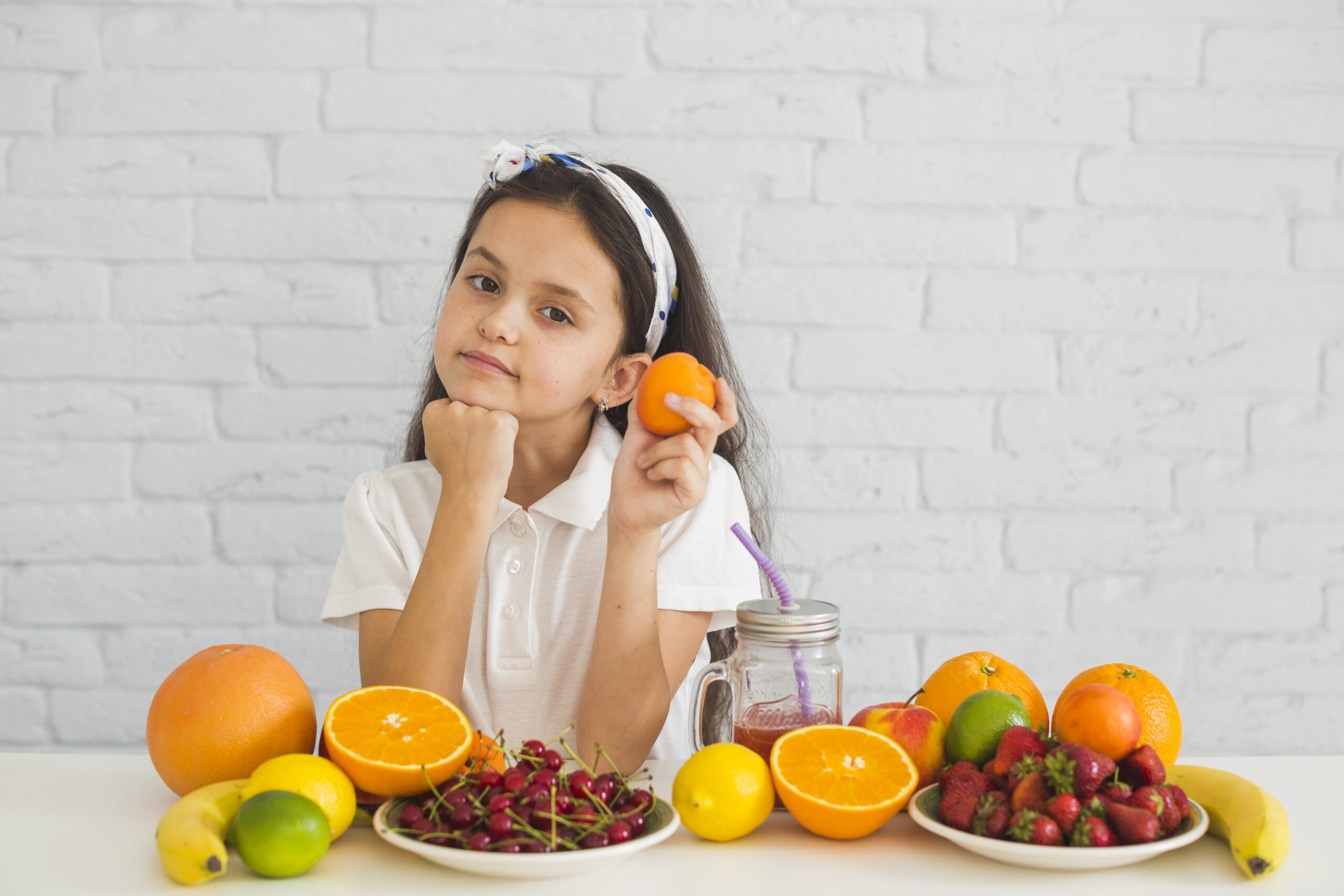
Your kid is growing every day. Sometimes you will notice slow growth, but at certain age brackets, the growth is rapid. That period is called the Growth Spurt period. Kids will be happy to grow faster, but along with it comes the pain.
- Growing pains are typically dull, cramp-like leg aches that children feel in the evening or at night.
- They often happen during rapid growth spurts.
- At this time, child nutrition plays a very important role in reducing growing pains and muscle stress.
Growth & Development
- In India, ICMR-NIN and IAP guidelines emphasize that nutrient needs are higher “per kg body weight” in infancy and childhood than in adults.
- So the diet must be nutrient-dense, not just bulky.
- Unfortunately, parents and guardians are trying hard to fill the tummies of kids with anything they accept, instead of planning healthy, balanced meals.
Main stages of growth
- Infancy (0-1 year): Very rapid linear growth and brain growth. Needs high energy, protein, and essential fats (including DHA for vision and cognition).
- Toddler & preschool (1-5 years): Growth slows but is still fast. Fine and gross motor skills, language, and social behavior develop. Needs frequent, small, nutrient-dense meals.
- School-age (6-10 years): Steady growth. Cognitive development and school performance depend on consistent energy, protein, and micronutrients.
- Adolescence (11-18 years): Pubertal growth spurt. Marked increase in energy, protein, calcium, and iron (especially in girls).
Key macronutrient needs (India-context)
Protein requirement (ICMR-NIN 2020):
- 0.66 g/kg/day EAR (Estimated Average Requirement)
- About 0.83 g/kg/day RDA (Recommended Dietary Allowance) for most age groups
- For cereal-dominant diets with lower-quality protein, many dietitians still recommend about 1 g/kg/day to be safe.
Typical energy distribution recommended for children:
- Protein: About 10-15% of total calories (for tissue building and repair).
- Carbohydrates: About 50-55% (for energy, preferably from whole grains, millets, fruits, vegetables).
- Fats: About 30-35%, including essential fatty acids (omega-3/omega-6) for brain and immune function.
Critical micronutrients and roles
| Nutrient | Main role in growth | Important food sources |
|---|---|---|
| Iron | Hemoglobin synthesis, cognitive development; marked increase in adolescence (especially girls). | Green leafy vegetables, pulses, jaggery, fortified cereals, meat, eggs. |
| Calcium & vitamin D | Bone mineralization, growth spurt support; requirement rises sharply in adolescence. | Milk, curd, paneer, small fish, fortified dairy/non‑dairy, sunlight + fortified foods. |
| Zinc | Immune function, appetite, growth velocity; deficiency → stunting and infections. | Pulses, nuts, seeds, dairy, eggs, meat. |
| Vitamin A | Vision, mucosal integrity, immune defense; deficiency → increased infection risk and night‑blindness. | Liver, eggs, dairy, orange‑yellow vegetables, green leafy vegetables. |
Practical nutrition guidelines for Indian children
From ICMR-NIN Dietary Guidelines and IAP-type recommendations:
0-6 months
- Exclusive breastfeeding. No water, no solids.
6-24 months
- Continue breastfeeding “on demand”.
- Add timely, adequate, and safe complementary foods (semisolid, then soft family foods).
- At least 3 main meals and 1-2 nutrient-dense snacks a day (e.g., khichdi, dal-rice, vegetable-lentil mix, fruit, curd).
2-5 years
- 3 meals + 2 snacks.
- Include a source of protein (dals, eggs, curd, paneer, small fish) at each major meal.
6-18 years
- 3 meals + 1-2 snacks.
- Ensure adequate dairy/alternatives, iron-rich foods, and fruits/vegetables.
- Adolescents need higher portions of protein, calcium, and iron.
- Limit ultra-processed snacks, sugary drinks, and empty-calorie foods.
What to focus on
- Stunting & wasting prevention: Focus on early-life nutrition (0-2 years + adolescence) and frequent, small, high-density meals for picky eaters.
- Bone health: Calcium + vitamin D + protein + physical activity for peak bone-mass building in pre-teens and teens.
Simple messages to remember:
- “Every meal needs 1 protein + 1 veg/salad + 1 cereal/millet.”
- “Milk + sunshine + physical activity = strong bones.”
- “Less junk, more jaggery-sweetened or fruit-based treats.”
- One snack must be fruits, and one nuts & seeds.
Other Points in Indian Context
Growth and development might not be the only reason for your child’s pains.
1. Vitamin D deficiency
- Ironically, the sunshine vitamin is increasingly deficient among kids in India, a tropical country with plenty of sunlight.
- Excessive use of air conditioners at home and schools is one reason.
- I have personally experienced that kids are over-pampered and not allowed to experience sunlight.
2. Protein deficiency
- The Indian diet isn’t protein-deficient.
- But with urbanisation and no work-life balance, it is becoming challenging for families to manage a balanced diet and train kids to eat healthy.
- Easy availability of junk in the name of convenience foods makes things worse.
3. Anaemia
- One thing that hasn’t changed with the economic advancement of our country.
- People visit doctors, not dietitians, for treatment.
- Pills and supplements do not improve the condition, they give temporary results.
4. Lack of physical activity
- Kids in India are not playing anymore.
- Schools far from home, hobby classes, excessive homework, tuitions and academic pressure leave no time to play.
- Parents are over-protective due to rising crimes, so kids are forced to stay indoors to be safe.
Final Word
- Good nutrition is important for growth and development.
- Medicines are not going to give permanent solutions.
- Normalise visiting dietitians.
This article is for educational purposes and does not replace personalised medical advice.
