
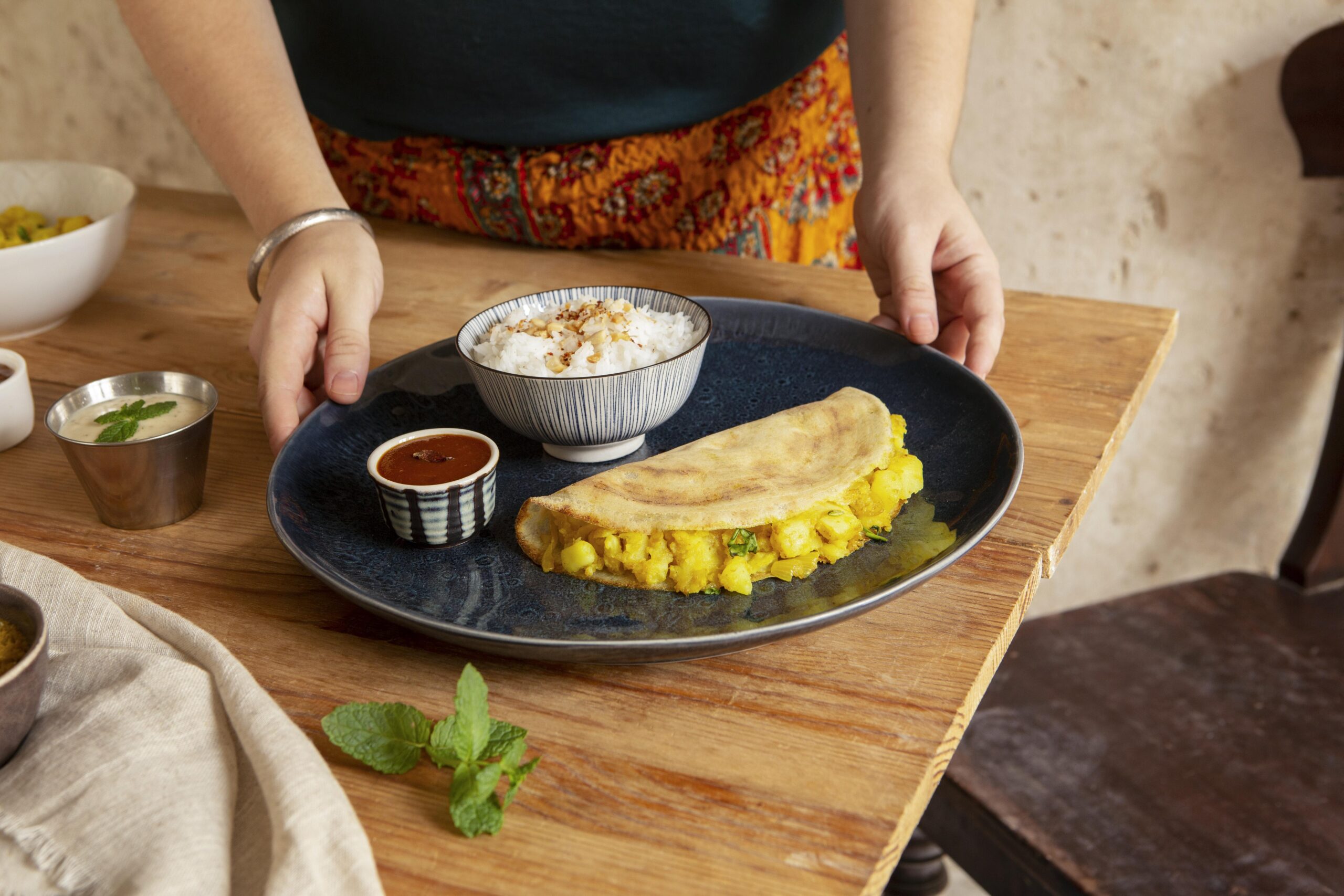
Losing weight is something many people want, but with so many diets and so much advice floating around, it gets confusing fast. The truth is simple: there is no single weight loss diet that works for everyone. In this guide, we look at the most practical weight loss diet options for Indians, how they work, and how to build one you can actually follow.
To lose weight, you need to:
- Eat fewer calories than you burn
- Eat a variety of foods so your body gets all the nutrients it needs
- Stick with it long enough to see results
Why Your Diet Matters More Than Exercise
- What you eat has a bigger impact on weight loss than how much you exercise.
- The best results come from combining a balanced weight loss diet with regular physical activity, but the diet does the heavy lifting.
A good weight loss diet does five things:
- Helps you lose fat, not muscle
- Improves your metabolism
- Reduces hunger so you are not fighting cravings all day
- Keeps your muscles strong
- Lowers your risk of chronic problems like diabetes and obesity
Avoid any diet that promises magical results. A good weight loss diet is about choices you can stick to for years, not weeks.
A balanced plate: 25% cereal, 25% protein, 40% vegetables, 10% fruits
- Plenty of vegetables and fruits
- Lean proteins like dairy, lentils, pulses, chicken and fish
- Grains like millets, rice and whole wheat
- Fats from nuts and seeds
- High fiber foods like beans and sprouts
- Keep processed foods and added sugars limited. Ultra-processed foods are a big no.
- Drink adequate water through the day. The goal is to eat smart, not to starve.
Types of Weight Loss Diets
1. The Indian Thali
Pick any state and the traditional thali is actually balanced. It only became disbalanced with the mixing of foreign foods and the economic compromises of the colonial era. Look at the originals:
- North Indian thali: roti (millets or wheat) + vegetables + salad + curd, dal, chole or rajma
- South Indian thali: idli, dosa or rice + sambar made with vegetables + chutneys
- Bengali thali: rice + vegetables + fish + salad + chutney
Why it works:
- Every Indian thali fits easily into the 25% cereal + 25% protein + 40% vegetables pattern. Snacks cover the rest of the healthy plate.
- Extra oil is a cooking habit, not a rule. Every meal can be made with minimum oil.
- Choose local high fiber grains and seasonal vegetables and fruits. India has huge variety in every season.
2. The Mediterranean Diet
- One of the most researched diets in the world for weight loss.
- Focuses on fresh vegetables, fruits, whole grains, nuts, legumes and curd.
- Both the Mediterranean pattern and the Indian thali help you lose weight, reduce inflammation, improve heart health and control blood sugar.
- Both are easy to follow because the food is enjoyable.
3. The High Protein Diet
- A high protein weight loss diet helps you lose fat while keeping muscle.
- Good Indian sources: eggs, chicken breast, fish, paneer, curd, lentils and beans.
- Higher protein reduces hunger, protects muscle, supports metabolism and helps recovery after exercise.
One important clarification:
- When a dietitian says high protein, it means higher than what you were consuming, not higher than your requirement.
- Some people load up on protein and drop everything else. This disbalances the diet and creates medical issues.
- Every macro and micronutrient, including fats and carbohydrates, has a role. You cannot omit one to include another.
4. Carbohydrates and Weight Loss: The Real Picture
- Carbs are not the enemy. Complex carbohydrates actually help weight loss and improve insulin sensitivity.
- What holds people back is simple carbs.
- Build your plate around vegetables, complex carbohydrates, healthy fats, nuts and seeds.
- Limit bread, sugary drinks, cakes, cookies, processed white rice and packaged snacks.
- It is far better to reduce simple carbs a little than to cut carbohydrates out completely.
5. Intermittent Fasting: Why We Do Not Recommend It
- Intermittent fasting is about when you eat rather than what you eat, with popular versions like 16:8, 14:10 and 5:2.
- It may reduce calorie intake and simplify meal planning, but research shows it is a disbalanced pattern where the demerits outweigh the merits.
- If a chronic disease already exists, it can trigger catabolism and faster decline.
- The small eating window makes it hard to cover all nutrients, leading to multiple deficiencies.
A better approach: occasional fasting for good health, like a water or fruit fast, along with timely meals, an early breakfast to dinner schedule, and timely sleep.
6. The Plant Based Diet
- Rich in vegetables, fruits, legumes and whole grains.
- Naturally low in calories and high in nutrients.
- High in fiber, supports digestion, reduces cholesterol and is packed with antioxidants.
- You do not have to turn vegetarian to benefit. Just include more plant based meals in your routine.
7. The DASH Diet
- A healthy eating plan rich in fruits, vegetables, whole grains and low fat dairy.
- Limits salt, sugar and unhealthy fats.
- Supports weight control, improves blood sugar management in diabetes and lowers blood pressure naturally.
A simple one day plan:
- Breakfast: oatmeal with vegetables, low fat milk and a few nuts
- Mid-morning snack: seasonal high fiber fruits
- Lunch: brown rice, grilled chicken or pulses, mixed vegetables and salad
- Evening snack: unsalted roasted chana or sprouts
- Dinner: whole wheat or millet roti, dal, steamed vegetables, and fish or paneer
Foods That Support Weight Loss
- Negative calorie foods provide little energy and use up more of it during digestion.
- Most high fiber foods have this quality, which is why high fiber foods help in weight loss.
Nutrient dense foods keep you full and make calorie control easier:
- Proteins: dairy, paneer, lentils and pulses
- Carbohydrates: unprocessed rice, millets and whole wheat
- Fats: nuts, seeds and non-refined oils
- Vegetables: spinach, cucumber, cauliflower, green leafy vegetables, bell peppers, and all seasonal vegetables
- Fruits: apples, berries, oranges, pineapple, papaya, watermelon, and any seasonal fruit
The WHO healthy diet guidelines back the same principle: more whole foods, less sugar and processed fat.
Foods to Avoid
These are high in calories and low in nutrients:
- Sugary beverages
- Fast food and fried foods
- Processed snacks
- White bread and pastries
- Candy and ice cream
- Excess alcohol
Basically, any ultra-processed food must be avoided. Read labels and choose brands where genuinely healthy options are available.
Sample Weight Loss Meal Plan
- On waking: lukewarm water, which helps bowel movement, followed by a nuts and seeds combination
- Breakfast: vegetable stuffed roti, veg upma or veg dalia + curd, lassi or milk
- Mid-morning snack: seasonal fruits
- Lunch: millet or whole wheat roti + vegetables + a veg raita bowl
- Evening snack: sprouts, chickpea salad or sattu
- Dinner: a two course soup made of rice or Indian corn + vegetables + black beans or chicken
- Water: 2 to 3 liters through the day. Avoid beverages high in sugar and calories.
Lifestyle Tips for Sustainable Weight Loss
- Sleep: 7 to 9 hours each night.
- Exercise: At least 150 minutes per week, with strength training two to three times weekly.
- Mindful eating: Eat slowly and pay attention to your food.
- Never skip meals.
- Stress: Manage it through meditation or yoga.
- Track your progress regularly.
- Cook at home whenever possible.
- Managing meals for children too? Our guide on handling picky eaters for child nutrition covers how to build the same healthy habits at home for kids.
Remember, consistency beats perfection. Weight loss is not easy, but steady, repeatable choices get you there.
Common Weight Loss Mistakes
- Skipping breakfast
- Following fad diets
- Drinking sugar-loaded beverages
- Ignoring portion sizes
- Eating processed “diet” foods
- Not eating enough protein
- No regular exercise habit
- Too much screen time and late night sleep, which is bad for hormones
Avoiding these makes your weight loss journey easier and far more sustainable.
Final Thoughts
- The best weight loss diet is not a quick fix or a restrictive plan. It is a set of habits that fit your lifestyle.
- Build a balanced plate rich in whole foods, lean protein, fiber and healthy fats, with regular physical activity.
- Focus on gradual progress and consistency instead of fast results.
- Whether you follow the Indian thali, the DASH diet, the Mediterranean pattern, a high protein plan or a plant based approach, the goal is the same: lose weight, stay healthy and feel good.
For a plan built around your body, your routine and your food preferences, book a consultation with Dietitian Anuradha.
This article is for educational purposes and does not replace personalised medical advice.
