
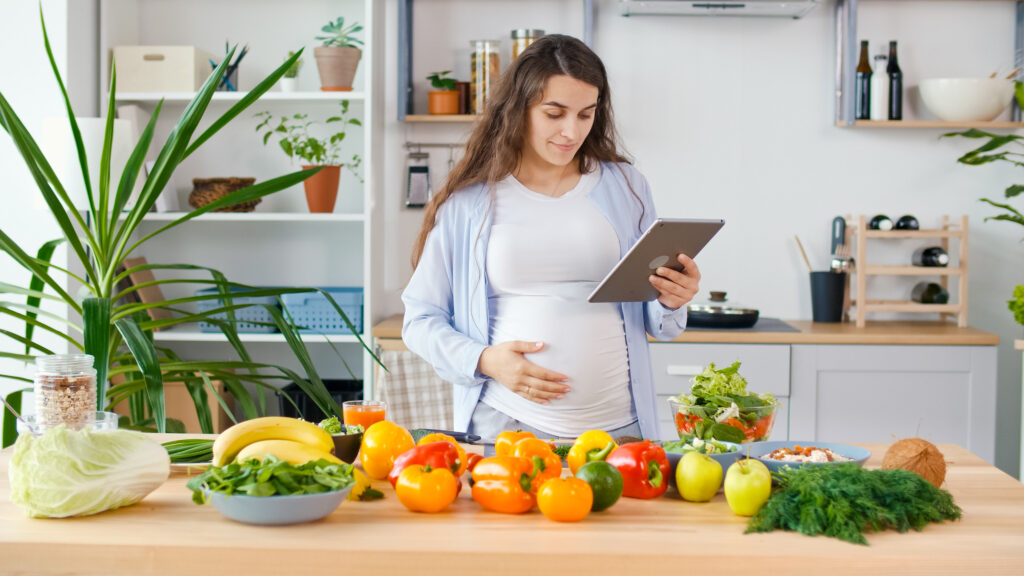
Women Health Nutrition

Trimester-by-Trimester Nutrition Guide for a Healthy Pregnancy in India

A good pregnancy diet in India does not begin the day the test turns positive. It begins much earlier, and understanding that is the first step to a healthier pregnancy. This guide walks through when nutrition should really start, what to fix before conceiving, and exactly what to eat in each trimester. At Dietitian Anuradha, we see the same story repeat so often that it is worth telling honestly before we get to the food lists. When Should a Pregnancy Diet Actually Start Indian women carry a lot of stress and high expectations, and outside a few urban pockets, most have very little support. If we truly want a healthy pregnancy, the girl child has to be cared for from childhood. The pattern I keep seeing as a dietitian is this. Her diet is not nutritious enough, either because her health is ignored, or because she is fed plenty of junk while being pushed hard on academics. By her teens she is often malnourished, with common deficiencies in iron, Vitamin B12, zinc, Vitamin D, protein and folate. Buried under studies, household chores or both, exercise disappears too. By marriageable age, many urban girls are either obese or underweight from these pressures, and conditions like PMOS, formerly called PCOS, fibroids and irregular periods are common. Then comes another round of pressure to gain or lose weight quickly for the wedding. Families spending heavily on the wedding often skip qualified guidance, so random internet diets or gym trainer plans get followed. These may or may not hit the weight target, but they rarely fix the underlying deficiencies. After marriage the couple plans pregnancy, cravings and weight swings return, and by now thyroid issues, pre-diabetes and blood pressure fluctuations have joined the earlier problems. Some couples consult a doctor and dietitian first and recover before pregnancy is established. Most do not, and only discover the challenges once they are already pregnant. That leads to difficult pregnancies, more gestational diabetes than people expect, and a higher chance of a cesarean. The baby draws every nutrient it needs from the mother, so a mother who was already deficient ends up even more depleted, often carrying stubborn post-birth weight that is very hard to shed. So the honest answer to when a pregnancy diet should start is at the girl child’s birth. What to Fix Before Planning Pregnancy If that earlier timeline has been missed, this window becomes incredibly important. A woman should get tested at least six months before planning a pregnancy. If weight loss is needed, take guidance only from a qualified dietitian, because a good dietitian works on deficiencies alongside weight, not just the number on the scale. Get a CBC, LFT, blood pressure, glucose and HbA1c checked, and screen for folic acid, iron, Vitamin B12 and Vitamin D. If other deficiency symptoms show up, work on those too. A wholesome plate covers most of this when the quantities are right. Keep adequate water through the day, along with cereals and millets, protein rich foods like pulses, legumes, lentils, curd, paneer and milk, plenty of vegetables and fruits, and healthy fats from nuts, seeds, a little ghee and non-refined oils. These can only fit in proper amounts when junk food and empty calories make way for them. Anyone telling you one of these groups is unnecessary is simply pushing you toward more deficiencies. First Trimester Pregnancy Diet A balanced pregnancy diet in India should supply the nutrients the mother needs and the baby’s growth demands. In the first trimester, focus on small, frequent meals to manage nausea and keep energy steady. Include fruits, vegetables, whole grains, pulses, curd, nuts and enough fluids. Folic acid foods matter most in early pregnancy, so lean on spinach, fenugreek leaves, lentils, chickpeas, beans, oranges and fortified grains. Your doctor may also add a folic acid supplement on top of this. Second Trimester Pregnancy Diet In the second trimester the body needs extra protein, iron, calcium and healthy calories. Build meals around dal, paneer, eggs, low mercury fish, chicken, soy, milk, ragi, sesame seeds and green leafy vegetables. Pair iron rich foods with a Vitamin C source like lemon, guava, amla or tomato to help your body absorb the iron. This is the right stage to settle into a nourishing plate of whole grains, protein, vegetables and healthy fats. Third Trimester Pregnancy Diet During the third trimester, choose nutrient dense meals that support the baby’s continued growth and hold the mother’s energy up. Include protein with every meal, along with seasonal fruits and vegetables, whole grains, nuts, seeds and calcium rich foods. Adequate water and fibre from oats, vegetables, fruits and pulses help keep constipation away. Limit highly processed foods, excess sugar, very salty snacks, and anything unpasteurised or undercooked. Making the Plan Truly Yours A healthy pregnancy food plan should be personalised to the mother’s weight, medical history, activity level, cultural preferences and any condition like diabetes or hypertension. Avoid alcohol and tobacco completely, and consult a qualified doctor and dietitian before taking supplements or making major diet changes. With the right Indian diet during pregnancy, regular check-ups and mindful food choices, mothers give themselves the best shot at a healthier pregnancy. Women dealing with hormonal issues before conceiving may also find our clinical nutrition guidance useful. The World Health Organization also recommends counselling on healthy eating through pregnancy as part of routine antenatal care. Conclusion The macro requirements, both kilocalories and protein, shift with every trimester, and deficiencies need ongoing monitoring, which is why a general blog can only take you so far. A safe pregnancy diet is one built around your reports, your body and your stage. For a plan made specifically for you, book a personalised consultation with Dietitian Anuradha. This article is for educational purposes and does not replace personalised medical advice.

Trimester-by-Trimester Nutrition Guide for a Healthy Pregnancy in India Read Post »
Women Health Nutrition

PCOS Diet Plan: Best Indian Foods to Balance Hormones Naturally

If you have been searching for a PCOS diet plan that actually works for Indian women, the answer is not in imported superfoods or miracle diets. It is in your own kitchen. At Dietitian Anuradha, we have helped hundreds of women manage this condition with simple, homecooked Indian meals, and this guide shares the exact approach we use in practice. Why PCOS Is Now Called PMOS The medical fraternity has changed the name from Polycystic Ovarian Syndrome to Polyendocrine Metabolic Ovarian Syndrome. The reason is that this syndrome does not only affect the ovaries. It disturbs a whole range of hormonal and metabolic activities in a woman’s body. That is why it shows up as irregular periods, insulin resistance, weight gain, facial hair, hair fall, acne and constant lethargy. Now that we have fixed the name, let us understand the treatment. Since it is not just an ovarian syndrome, the treatment also has to be multi-dimensional. Medicine plays its part, but a proper clinical nutrition approach is the foundation everything else stands on. What a PCOS Diet Plan Must Focus On A balanced diet is the primary recommendation for PMOS. Since insulin resistance is a prime symptom, a good PCOS diet plan works on four things at the same time. It keeps blood sugar levels steady through the day. It supports healthy weight management. It supplies balanced nutrients so deficiencies do not develop. And it relies on low glycemic index, high fiber carbohydrates instead of refined ones. Most importantly, avoid any miracle diets. Anything that promises to fix your hormones in two weeks will usually leave you with more deficiencies than you started with. How to Build Your PCOS Diet Plan Every Day The rule is simple. Every major meal, including snacks, must have a protein rich food. Here is how that looks in a normal Indian day. Early morning can be nuts. Breakfast can have dairy, sattu or egg. Mid-morning can have lassi. Lunch and dinner can have lentils, pulses, paneer or lean meat. Evening snacks can have sprouts. Fruits and vegetable salads are a must every single day. Raw food sources give you more nutrition than cooked ones. Nuts and seeds should also be a daily habit, because they supply the healthy essential fats your hormones need. The three main meals follow one simple plate pattern. Keep 25 percent cereal, which can be roti, rice, millets, dalia, dosa or idli. Keep 25 percent protein from pulses, legumes, dairy, lean meat or egg. Fill 40 percent with seasonal vegetables. Cooking method matters too. Prefer low fat cooking, pressure cooking, steaming and low fat baking, and cut vegetables in large pieces to avoid nutrient loss. Small and Frequent Meals Work Best in PCOS Small and frequent meals are the best pattern to control cravings and improve insulin sensitivity. Between the three main meals, add high protein and fibrous small snacks. Early morning nuts and seeds, mid-morning fruits, then lassi after a gap, and roasted chana or sprouts in the evening. A chickpea salad, a besan cheela made on a non-stick pan with vegetables, chana or chicken soup, or a dhokla type snack all work well. A glass of milk after dinner gives tryptophan for good sleep too. Ultra-processed foods must be avoided at all cost. A few simple processed options like roasted chana, murmure, roasted rice flakes, roasted makhana and homemade popcorn can be used for convenience when required. Dairy and soy should be taken in limits, so discuss your portions with your dietitian. Read Labels Before You Trust Any Packet Even biscuits, snacks and breads that are marketed as healthy should be taken with a lot of caution. Read the labels and testify the claims. Remember two things. Unchi dukaan pheeka pakwaan. Mehenga roye ek baar, sasta roye baar baar. A big brand does not always mean the claims are healthy, so watch out for loud claims on the front and small hidden realities written on the back of the pack. And if you keep looking for the cheapest substitute, you are bound to get a substandard product. A five rupee pack of biscuits is obviously substandard, while a 120 rupee multigrain bread from a good local bakery is genuine. Managing Cravings in Your PCOS Diet Plan Cravings are a big part of PMOS management, and if not handled with caution they can lead to severities. These cravings come from hormonal disruptions, so you cannot simply use willpower and overcome them. Do not just omit unhealthy foods either. Take gradual steps and replace them with healthy choices, and take regular counselling so every craving gets a proper answer. A few habits make cravings much easier to handle. Timely meals and timely sleep. Stress management. A sensible work-life balance. The small and frequent meal pattern. And seasonal fruits, salads, nuts, seeds and adequate water on a daily basis. At Dietitian Anuradha, craving management is treated as seriously as the diet chart itself, because that is where most plans fail. Best Indian Foods That Help in PCOS A few foods deserve a special place in every PCOS diet plan. Foods with omega 3 fatty acids, like flaxseeds and walnuts, support hormonal balance. High fiber foods like millets, sprouts, whole grains, pulses, fruits and salads keep blood sugar steady. Anti-inflammatory foods such as Indian berries, leafy greens and cruciferous vegetables like cabbage, cauliflower, brussels sprouts and broccoli help calm the system. Everyday kitchen spices like turmeric, garlic, ginger, cumin and black pepper quietly do the same job. Notice that nothing on this list is exotic or expensive. According to the Office on Women’s Health, healthy eating and physical activity remain the first line of PCOS management worldwide, and the Indian kitchen already has everything needed for it. Women in their 30s and 40s dealing with hormonal shifts can also read our guide on nutrition for women in their 30s and 40s for the bigger picture. Conclusion PCOS, or PMOS as it is now rightly called, is a metabolic condition, and food

PCOS Diet Plan: Best Indian Foods to Balance Hormones Naturally Read Post »

Article, Women Health Nutrition

How to Plan Your Wedding Weight Loss Diet Effectively

Organizing a wedding is among the most thrilling and emotional experiences one can undertake. Selecting the appropriate venues, vendors, and guest list is crucial, as both the bride and groom aspire to look and feel their best on this significant occasion. A primary objective? To shed a few kilos in a healthy and sustainable manner. If you are curious about how to effectively plan a weight loss diet for your wedding, the solution lies not in fad diets or leftover meals, but in providing your body with wholesome, balanced, and locally sourced foods. As a dietitian based in Kolkata, I have assisted numerous clients in preparing for their wedding day. When you walk down the aisle, you will have a comprehensive guide to achieve your ideal shape and ensure you feel confident, energetic, and radiant. 1. Establish realistic weight loss objectives Take a moment to clarify your intentions before diving into meal plans and workout routines. A healthy rate of weight loss typically ranges from 0.5 to 1 kg per week. Therefore, if you have three months leading up to your wedding, aiming to lose 5-8 kg is both achievable and safe. Steer clear of crash diets that promise quick results, as they can leave you feeling weak, lethargic, and fatigued. 2. Recognize your body’s requirements Nutritional needs vary significantly depending on factors such as age, current weight, lifestyle, and health status. Also, you don’t want to loose the glow for your wedding. A personalized approach is always preferable to mimicking a diet found online. In Kolkata, Dietitian Anuradha Sharma, seeking advice from a qualified dietitian can assist in customizing your diet to suit your body type, daily routine, and timeline. 3. Select appropriate foods – Prioritize local and seasonal options The most effective diet for your wedding does not necessitate imported ingredients or extravagant supplements. Believe it or not, the key to a healthy lifestyle is already available in your kitchen. Include: Complex carbohydrates: Rice, poha, oats, millets (including millet, jowar, ragi), and whole wheat bread offer sustained energy. Lean protein: moong dal, lentils, rajma, gram, cheese, curd, eggs, and lean cuts of chicken or fish (for non-vegetarians). Healthy fats: Incorporate mustard oil, coconut, peanuts, and ghee in moderation. Steer clear of refined oils. Fruits and greens: Ensure that at least half of your plate is filled with fresh produce—nutritious leafy vegetables such as spinach, methi, or bathua, along with seasonal fruits like guava, papaya, apples, or berries for essential nutrients, minerals, and fiber. Hydration: Begin your day with warm water mixed with Jera water or lemon. Herbal teas such as basil or ginger tea aid in enhancing metabolism. Avoid: Refrain from consuming: Deep-fried snacks (such as samosas and pakoras) Additional Chinese items (including maida, sweets, and sugar chai) Excessive amounts of white rice Refined flour products (maida-based items like naan, biscuits, and bakery goods) Carbonated beverages and packaged juices Also avoid Fad diets 4. Practice mindful eating and portion control Regardless of how nutritious your food choices may be, consuming large portions can still lead to weight gain. Utilize smaller plates to help manage portion sizes. Chew your food slowly and minimize distractions, such as screens, while eating. Adhere to the 80-20 principle: Stop eating when you feel 80% full. Avoid having late dinners; aim to complete your last meal by 8 PM. 5. Organize a meal in accordance with your program Preparing for your wedding will keep you occupied, but consuming food at irregular times can interfere with your metabolism. Adhere to three balanced meals and two light snacks. Example food plan for wedding weight loss: Early morning: hot water with lemon or soaked fenugreek seeds + nuts and seeds  Breakfast: Plain Dosa + 1 Fruit with Vegetable Upma / Moong Cheela / Coconut Chutney + add milk/ sprouts/ sattu for protein Mid-morning: coconut water + fruits Lunch: 1-2 rotis, a portion of vegetable lentils/ curd paneer, a small amount of rice, and salad Evening Snack: Lemon and Chaat Masala with Roasted Chana / chana zor garam chaat/ peanuts/ sprouts chaat Dinner: A bowl of lentil/ bean soup accompanied by light khichdi or stir-fried vegetables + corn 6. Do not overlook physical activity Although diet is crucial, physical movement aids in accelerating metabolism and enhancing your mood. An expensive gym membership is not necessary. A daily 45-minute session of walking, yoga, or dancing can suffice to burn calories and alleviate stress. 7. Beauty Sleep and stress management considerations The wedding planning process can be stressful, leading to emotional eating or sleepless nights—both of which can impact your weight. Aim for at least 7-8 hours of quality sleep and incorporate deep breathing exercises, meditation, and music therapy into your routine. 8. Maintain consistency and monitor your progress Weigh yourself weekly rather than daily. Take progress photographs and measure your body every 2-3 weeks. Celebrate small victories – feel better or more energetic in your attire. 9. Be cautious of “rapid results” Refrain from endorsing detox teas, weight loss pills, or starvation diets online. While these may yield temporary outcomes, they can lead to swelling, hair loss, and fatigue – conditions you certainly wish to avoid before your significant day! Final thoughts The objective of a wedding weight loss plan extends beyond merely looking attractive in photographs. As you embark on a new phase of life, it is about feeling confident, robust, and vibrant. With appropriate nutrition, a touch of discipline, and the guidance of a professional, you can attain your ideal physique without jeopardizing your health. If you are unsure where to begin or require a tailored plan that aligns with your schedule, preferences, and body type, seek advice from a certified dietitian in Kolkata. You deserve to feel your best, not only on your wedding day, but every day.

How to Plan Your Wedding Weight Loss Diet Effectively Read Post »

Article, Women Health Nutrition

Nutrition for Women in Their 30s & 40s: What to Eat & What to Avoid

During their thirties and forties, women experience slower and subtle yet impactful shifts within their body. There is an increase in the likelihood of developing conditions like diabetes, hypertension, and thyroid disorders. Additionally, the bone density in women may start to decline, and their metabolism may start to slow down. Hormones start to fluctuate. Unhealthy eating is more tempting, and professional responsibilities, coupled with family and social commitments, add to the chaos.  Hence, nutrition for women at this age is very important. Nutritional deficits are not the only factors that need to be tackled whilst entering middle age. The proper nutrition actively mitigates the risk of diabetes and hypertension, among other chronic lifestyle diseases. With muscles, bones, and overall vitality, strong nutrition balanced during this time is essential. Instead of relying on shortcuts, this is the perfect time to eat for the long-term restoration of the body and vital energy.  What Makes These Years Important for Your Well-Being   Skin elasticity and bone strength are two of the numerous aspects of a woman’s body that rely on estrogen and can suffer with its gradual decline in the mid thirties. Increased risk of developing perimenopause may cause irregular periods and a multitude of other symptoms in addition to mood disorders. As the body accumulates these changes, a diet rich in nutrients actively strengthens the body and protects vital functions. Additionally, a well-rounded diet can play a massive balancing role in the body’s ability and aid in long-term support. Nutrition for women should include 1. Calcium and Vitamin D for Firm and Healthy Bones The aging process can be rough.  Furthermore, the deterioration of bones begins to ramp up after the third decade of life, necessitating the intake of Vitamin D is a big deal, let’s not kid ourselves. Where to score it? Think low-fat dairy, those fancy plant milks with “fortified” plastered on the label, spinach, ragi (underrated, honestly), sesame, and almonds. Oh, and don’t forget the OG source—just step outside. Sun’s free. Ten, maybe fifteen minutes and boom—your body’s cranking out vitamin D like a champ. 2. Lean Proteins: Muscle & Hormones Need Some Love Look, muscle mass isn’t forever. It starts bailing as you get older—rude, I know—so protein’s important. Plus, your hormones are basically running the show, and they need the good stuff. Stock up on: Lentils, chickpeas, tofu, paneer & other dairy, non-veg if you take. Whatever floats your boat. Pro tip? Cram a little protein into every meal, even evening snacks. It helps keep you full and your blood sugar from acting like a rollercoaster. 3. Healthy Fats: Not All Fats Are the Enemy Let’s squash the “all fat is evil” myth. Omega-3s? Total game-changer for your brain and heart. They even chill out inflammation. Best picks: walnuts, chia seeds, flaxseeds, other nuts and seeds. You know the trad practices that are coming back to life.  4. Fiber: Your Gut’s BFF Fiber isn’t just for your grandma, okay? It keeps things moving, supports your heart, and helps keep sugar levels in check. Where to find it: oats, brown rice, whole wheat bread, veggies, fruits, pulses (take sprouts too). Mix it up. 5. Iron & Folate: Energy On Tap If you’re always tired, maybe it’s not just “one of those days.” Iron deficiency is a sneaky culprit, and folate’s right up there in importance for cell repair and blood health. Get it from: spinach (again!), beetroot, lentils, fortified cereals, lean meats. You’re welcome. 6. Antioxidants: Skin & Cells in the Spotlight Want that glow? Antioxidants are your ticket. They fight the bad stuff (oxidative stress), slow down aging, and keep your skin looking fresh. Best sources: berries, citrus, tomatoes, carrots, green tea, basically anything bright and colorful in the produce aisle. 7. Hydration: The OG Beauty Hack Water isn’t just for thirsty people. It does everything—boosts metabolism, helps detox, keeps your skin less, well, crusty. Tip: Aim for 8–10 glasses, and toss in water-rich foods like cucumber and watermelon if plain water bores you to tears. Stuff to Avoid (or, at least, restrict) 1. Refined Sugars Cakes, sodas, packaged “fruit” juice—these guys spike your insulin and mess up your hormones. Not cute. 2. Salt Overload Processed stuff, instant noodles, chips, canned soups—too much sodium means puffiness and high blood pressure. Pass. 3. Trans Fats Margarine, fried foods, and baked goods with “hydrogenated” on the label should be avoided as these fats are basically out to get you. 4. Caffeine Mania Coffee’s great until it’s not. More than two cups? You’re risking bad sleep and messing with your bones. 5. Alcohol Not a drop is ever cool, & definitely don’t go wild. Too much and your hormones, bones, and liver aren’t going to thank you.Remember Alcohol has worse health effects on women.  Lifestyle Moves to Back Up Your Diet – Move your body. Lift, stretch, run, whatever. Just don’t be a statue. – Stress less. Try yoga, deep breathing, or just shut your phone off for a minute. – Sleep’s not optional—7 to 9 hours, minimum. – Don’t skip those check-ups. Get regular monitoring of blood pressure, sugar, cholesterol, and bones. A Real-Life Day on a Plate (for Women in Their 30s & 40s) Final Word Honestly, your 30s and 40s? That’s prime time to get your act together for the future. Eat smart, move around, ditch the junk, and you’re setting yourself up for decades of feeling good. And hey—if you want the VIP treatment, Dietitian Anuradha’s got your back. She’ll whip up a plan that actually fits your life, and not just generic advice. Go on, invest in yourself.

Nutrition for Women in Their 30s & 40s: What to Eat & What to Avoid Read Post »

Scroll to Top

Quick Enquire