
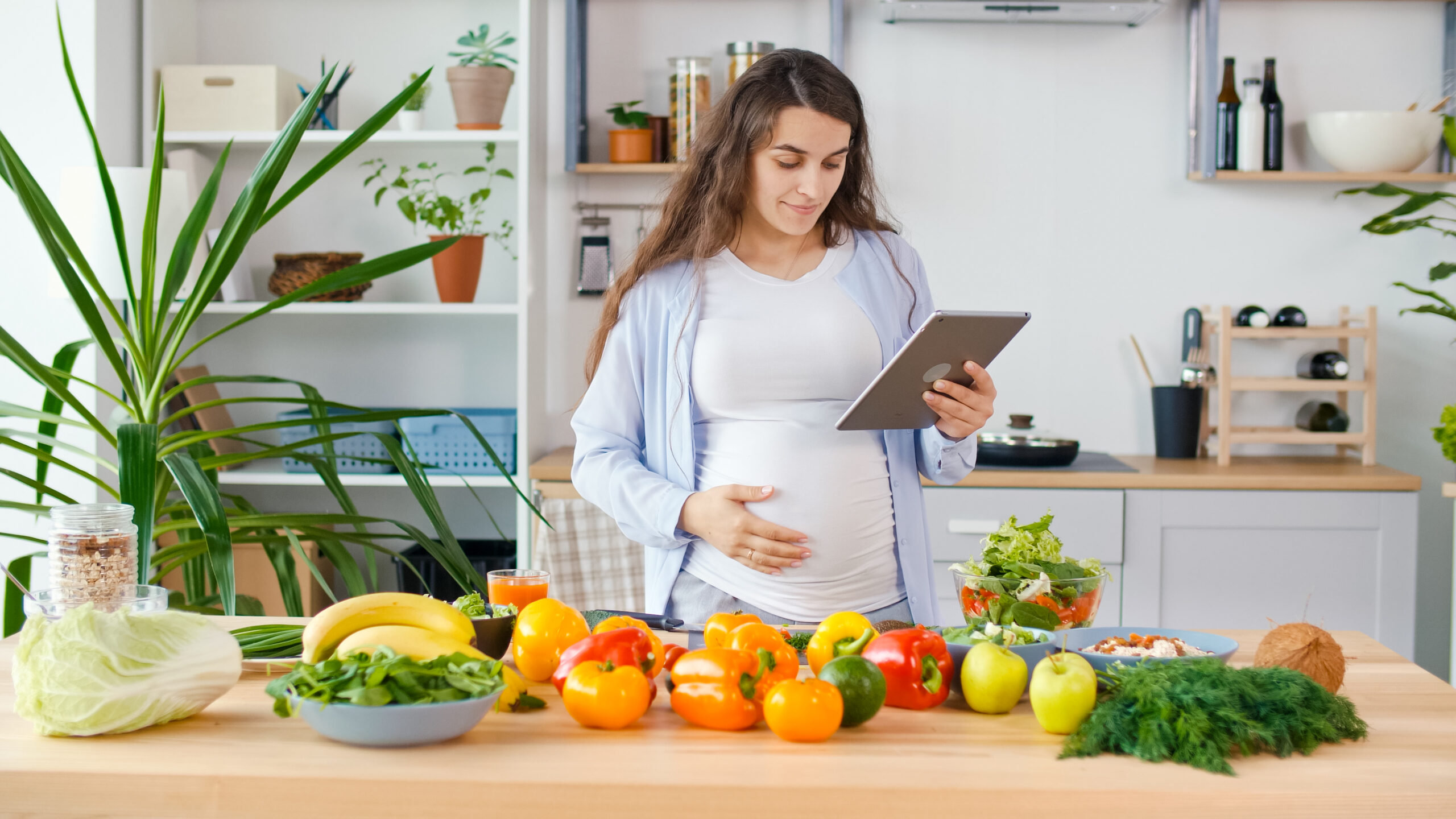
A good pregnancy diet in India does not begin the day the test turns positive. It begins much earlier. This guide walks through when nutrition should really start, what to fix before conceiving, and exactly what to eat in each trimester. At Dietitian Anuradha, we see the same story repeat so often that it is worth telling honestly before we get to the food lists.
When Should a Pregnancy Diet Actually Start
Indian women carry a lot of stress and high expectations, and outside a few urban pockets, most have very little support. If we truly want a healthy pregnancy, the girl child has to be cared for from childhood. The pattern I keep seeing as a dietitian:
Childhood and teens
- Her diet is not nutritious enough, either because her health is ignored, or because she is fed plenty of junk while being pushed hard on academics.
- By her teens she is often malnourished, with common deficiencies in iron, Vitamin B12, zinc, Vitamin D, protein and folate.
- Buried under studies, household chores or both, exercise disappears too.
Marriageable age
- Many urban girls are either obese or underweight from these pressures.
- Conditions like PMOS (formerly called PCOS), fibroids and irregular periods are common.
- Then comes pressure to gain or lose weight quickly for the wedding.
- Families often skip qualified guidance, so random internet diets or gym trainer plans get followed. These rarely fix the underlying deficiencies.
After marriage
- Cravings and weight swings return.
- Thyroid issues, pre-diabetes and blood pressure fluctuations join the earlier problems.
- Most couples only discover these challenges once they are already pregnant.
- This leads to difficult pregnancies, more gestational diabetes than people expect, and a higher chance of a cesarean.
- The baby draws every nutrient it needs from the mother, so a mother who was already deficient ends up even more depleted, often with stubborn post-birth weight.
So the honest answer to when a pregnancy diet should start is: at the girl child’s birth.
What to Fix Before Planning Pregnancy
If that earlier timeline has been missed, this window becomes incredibly important.
- Get tested at least six months before planning a pregnancy.
- If weight loss is needed, take guidance only from a qualified dietitian, who works on deficiencies alongside weight, not just the number on the scale.
- Get a CBC, LFT, blood pressure, glucose and HbA1c checked.
- Screen for folic acid, iron, Vitamin B12 and Vitamin D.
- If other deficiency symptoms show up, work on those too.
A wholesome plate covers most of this when the quantities are right:
- Adequate water through the day
- Cereals and millets
- Protein rich foods like pulses, legumes, lentils, curd, paneer and milk
- Plenty of vegetables and fruits
- Healthy fats from nuts, seeds, a little ghee and non-refined oils
These can only fit in proper amounts when junk food and empty calories make way for them. Anyone telling you one of these groups is unnecessary is pushing you toward more deficiencies.
First Trimester Pregnancy Diet
- Focus on small, frequent meals to manage nausea and keep energy steady.
- Include fruits, vegetables, whole grains, pulses, curd, nuts and enough fluids.
- Folic acid foods matter most in early pregnancy: spinach, fenugreek leaves, lentils, chickpeas, beans, oranges and fortified grains.
- Your doctor may also add a folic acid supplement on top of this.
Second Trimester Pregnancy Diet
- The body needs extra protein, iron, calcium and healthy calories.
- Build meals around dal, paneer, eggs, low mercury fish, chicken, soy, milk, ragi, sesame seeds and green leafy vegetables.
- Pair iron rich foods with a Vitamin C source like lemon, guava, amla or tomato to help absorb the iron.
- Settle into a nourishing plate of whole grains, protein, vegetables and healthy fats.
Third Trimester Pregnancy Diet
- Choose nutrient dense meals that support the baby’s growth and hold the mother’s energy up.
- Include protein with every meal, along with seasonal fruits and vegetables, whole grains, nuts, seeds and calcium rich foods.
- Adequate water and fibre from oats, vegetables, fruits and pulses help keep constipation away.
- Limit highly processed foods, excess sugar, very salty snacks, and anything unpasteurised or undercooked.
Making the Plan Truly Yours
- A pregnancy food plan should be personalised to the mother’s weight, medical history, activity level, cultural preferences and any condition like diabetes or hypertension.
- Avoid alcohol and tobacco completely.
- Consult a qualified doctor and dietitian before taking supplements or making major diet changes.
- Women dealing with hormonal issues before conceiving may also find our clinical nutrition guidance useful.
- The World Health Organization recommends counselling on healthy eating through pregnancy as part of routine antenatal care.
Conclusion
- Kilocalorie and protein requirements shift with every trimester.
- Deficiencies need ongoing monitoring, which is why a general blog can only take you so far.
- A safe pregnancy diet is one built around your reports, your body and your stage.
For a plan made specifically for you, book a personalised consultation with Dietitian Anuradha.
This article is for educational purposes and does not replace personalised medical advice.
