
A food guide by Dietitian Anuradha
Children between 3 and 6 years of age go through an important phase of growth and development. As a parent, giving your child the right balance of foods rich in vitamins, minerals and energy is essential for their overall health and immunity.
- Their brains are growing rapidly.
- Physical activity increases.
- So they need proper nutrition.
Creating a well-planned diet chart for a 3-6 year old is not complicated. At Dietitian Anuradha, we believe in keeping it simple, nutritious and tasty, using ingredients easily available in every kitchen.
3-6 year nutritional requirements
What to include in your child’s daily diet:
- Carbohydrates (energy booster): Roti, millets, sabudana, bhutta (corn), makhana, rice, poha, idli, dosa, uttapam, ragi mudde
- Protein (muscle and brain development): Lentils & pulses, curd and other dairy products, nuts
- Fat (essential for brain development): Ghee, nuts & seeds, healthy oils
- Calcium (strong bones and teeth): Milk, ragi, curd, nuts & seeds, green leafy vegetables, water chestnut
- Iron (blood and brain health): Green leafy vegetables, raisins, dried apricots, dates, chickpeas & other legumes, nuts & seeds
- Fiber and liquids (strong digestion): Fruit, whole grains, sprouts, salads, vegetables, tender coconut water, lemon juice, clear soup, thin lassi, water
Ideal Meal Schedule for Children (3-6 Years)
Creating structure helps children eat better. Here’s a simple routine:
| Meal Time | Suggested Meal |
| Early Morning (7:00 AM) | Warm milk with a few soaked almonds or raisins |
| Breakfast (8:30 AM) | Vegetable upma / besan chilla / aloo paratha + curd |
| Mid-Morning Snack (10:30 AM) | Seasonal fruit (banana, apple, chikoo) |
| Lunch (12:30 PM) | Rice + dal + ghee + sabzi + small salad or curd |
| Evening Snack (4:30 PM) | Vegetable poha / dhokla / alu-chana chaat |
| Dinner (7:00 PM) | 1-2 phulka + paneer or dal + veggies |
Food tips for picky eaters
Children can find it hard to eat everything on their plate. Here are some parent-friendly tricks:
- Make food colorful: Use natural colors from beetroot, carrots and spinach to make food attractive.
- Small portions: Offer small portions so the plate doesn’t feel heavy.
- Avoid junk food traps: Replace store-bought snacks with homemade ones like moong dal chilla, murmura chaat or ragi cookies.
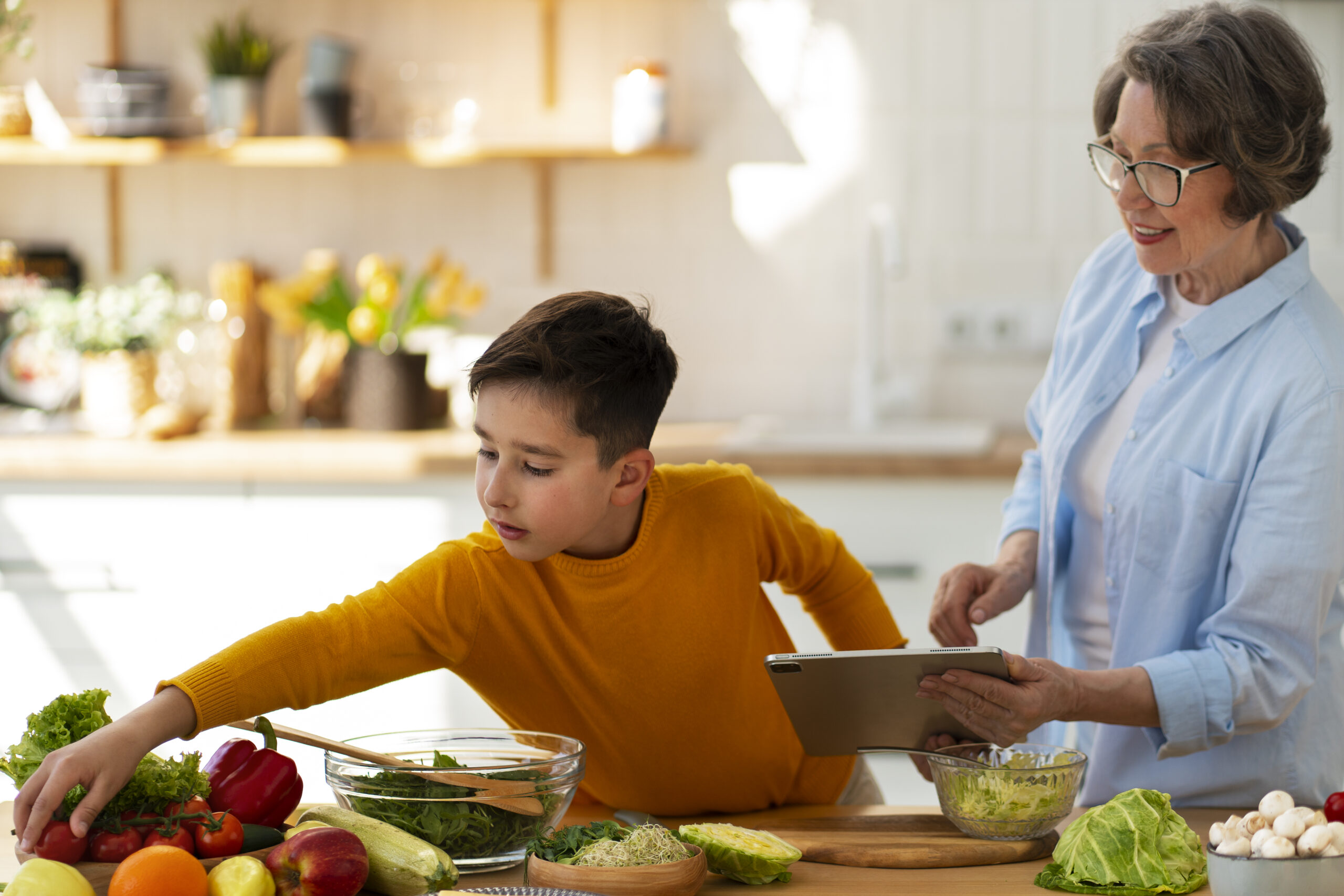
- Involve your child: Take their help in simple tasks like washing vegetables. It creates curiosity and interest.
- Lead by example: Eat the same healthy food together as a family.
Healthy Homemade Snack Ideas
- Moong dal dosa with coconut chutney
- Vegetable suji upma with peas and carrots
- Boiled sweet potato or mashed potato with ghee
- Roti rolls with paneer bhurji or boiled egg
- Stuffed paratha with curd (methi, palak or aloo)
- Vegetable khichdi with ghee and beetroot raita
- Ragi or oats ladoos with jaggery for dessert
Foods to Avoid
- Sugary soft drinks and excessive sweets
- Packaged chips and fried namkeens
- Excess salt and spicy foods
- Processed foods like sausages or instant noodles
- Reheating the same food multiple times
These foods are low in nutrition and can affect digestion, energy, immunity, brain development, and growth over time.
Final Thoughts from Dietitian Anuradha
- The 3-6 age range is a golden window to build healthy eating habits that last a lifetime.
- The Indian kitchen offers plenty of balanced meals with dal, roti, rice, vegetables, dairy and fresh fruits.
- With the right guidance and simple planning, you can give your child everything they need, nutritionally and emotionally, on their plate.
Want a personalized diet chart for your child based on their taste preferences, growth or medical needs? Book a consultation today with Dietitian Anuradha and give your child the gift of lifelong health.
This article is for educational purposes and does not replace personalised medical advice.
