Type 1 Diabetes
Child Nutrition, Diabetes, Thyroid, & Other Hormonal Issues

Type 1 Diabetes Diet for Kids: Indian Meal Plans for Stable Blood Sugar (2026 Guide)

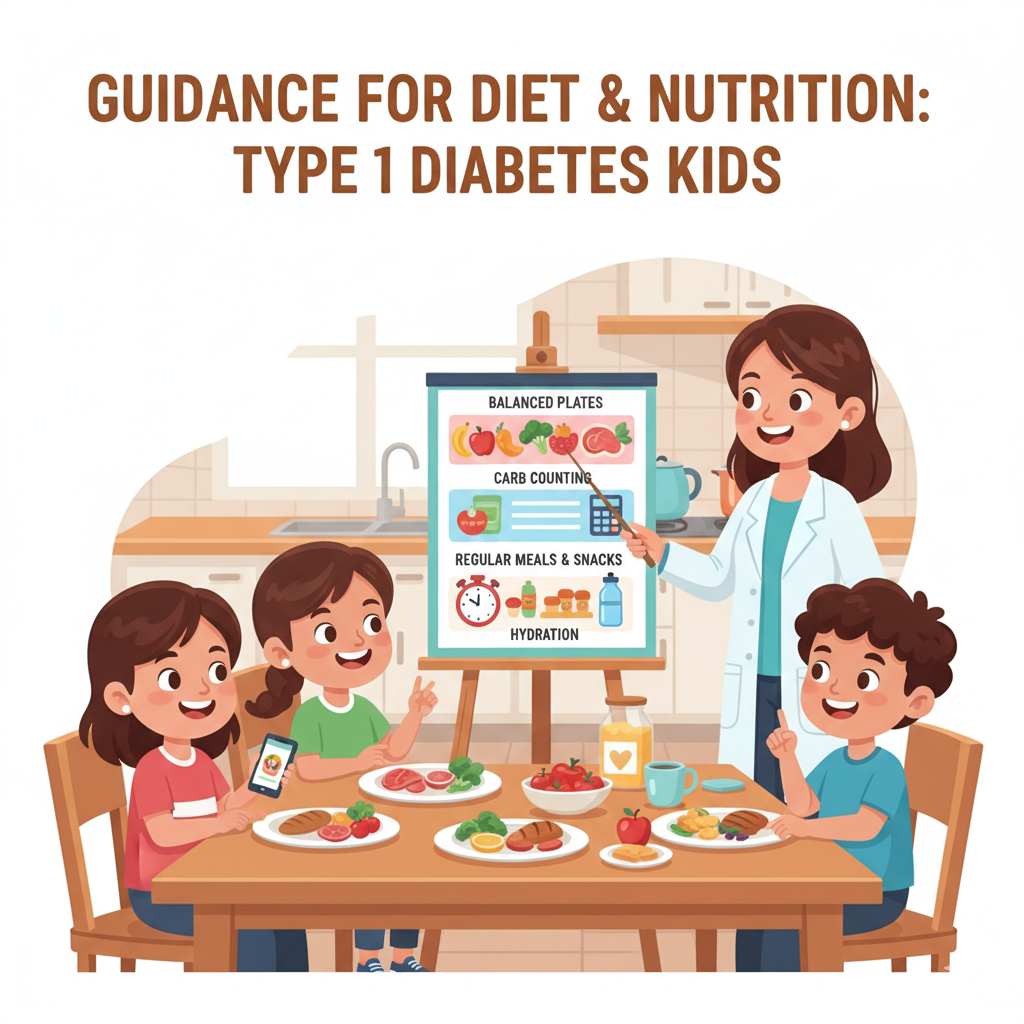
Introduction Managing type 1 diabetes in kids doesn’t mean boring meals—think dal-chawal with a smart twist! As a Kolkata-based dietitian, I’ve helped families stabilise blood sugar using everyday Indian foods. We have to understand Type 1 diabetes is totally insulin-dependent. Meaning the child’s pancreas aren’t able to make insulin at all. What does Type 1 diabetes mean? When our body works fine our brain is in charge of Insulin. When we need energy, our cells inform the brain. The brain signals food sources or storage sources to send glucose (sugar) and pancreas for insulin. Actually, insulin is like a key. When energy reaches the door of the cell, the insulin key opens the cell door for it to let the glucose molecule enter the cell. When a child has type 1 diabetes, the pancreas does not make and send insulin to the cells. So, the lock on the cell door doesn’t open, and glucose doesn’t enter the cell to provide energy. The cell doesn’t know a glucose molecule is waiting at the door, and insulin is absent. It keeps sending signals to the brain, not having received glucose. Now the brain also doesn’t come to know the absence of insulin. So it keeps sending glucose from various sources first, then storage, and when that ends, it breaks down protein stores and converts them into glucose and keeps sending glucose. Once protein sources are exhausted, the brain starts using fat stores to convert into glucose. When the fats keep converting into glucose in this uncontrolled fashion, it leads to ketoacidosis, the classic symptom of type 1 diabetes. Since the absence of insulin was the actual problem in the first place, once it is provided through injection (or nowadays inhalers have also come, please talk to your endocrinologist regarding use), the usage of energy starts functioning systematically. Why is Type 1 diabetes diet important? In the above explaination it is clear that now the control of insulin is not with the child’s brain anymore since the pancreas is not making it. Now the insulin is controlled by the endocrinologist’s brain, and they plan the doses according to height, weight, and age of the child. Although very intelligent, but the brain is now external to the child’s body. In a person whose pancreas functions normally, every time a person eats, the insulin production can manage the energy utilisation. Excess energy is stored in the liver and adipose tissue; everything works in a proper cycle. In a child with type 1 diabetes, this cycle is broken, hence the diet has to be planned according to the insulin doses designed by the medical practitioner. If we believe insulin is being given so the child can eat the way it pleases, that can be very detrimental to health. Frequent fluctuations, and as explained, ketoacidosis can occur. Is Type 1 Diabetes Scary? Unmanaged type 1 diabetes is scary and can be life-threatening. Well-Managed type 1 diabetes with diet, medical monitoring, and proper lifestyle surely gives the child a normal childhood and a healthy, long life. At OPD, we get questions like, ” Will my daughter live through, can she marry, have children, & lead a normal life?” I know these questions are coming from the bias of Indian society, but still, the answer is yes, Both Sons and daughters can marry and live a healthy married life with type 1 diabetes. The condition is regular medical monitoring, diet management and a good lifestyle. In today’s world, when chronic diseases are on the rise, these are essential for any person for a healthy, long life, otherwise even without Type 1 diabetes, people do suffer. What is Type 1 diabetic diet? The most important thing to understand is that every food coming from plant or dairy sources has carbohydrates. Some have more, some have less. Also, carbohydrates directly increase sugar levels. This is because, when brain signals sending of glucose, readily available carbohydrates are the first & fastest choice for the body to release glucose, as long as they are avilable body doesn’t use any other source. Earlier, a concept was created around this information, glycemic index values were given to the foods according to the ability to increase glucose in our bloodstream. People were advised to avoid high Glycemic index foods, restrict moderate ones and include low ones. But this system still didn’t regulate blood sugar levels. Why so? Even if we take low glycemic index foods only, but take too many servings together, the total of carbohydrate content in the meal increases sugar levels. Carbohydrate Counting As discussed, all dairy and plant source foods have carbohydrates, so we must count the carbohydrates in each meal. Each food group has a different amount of carbohydrate on an average basis. E.g. dairy has 12 gm carbohydrate per serving, cereal has 21-22 gm, pulses and legumes have 15 gm, fruits have varied and so on. A qualified dietitian can help you understand serving sizes for your child and carbohydrate counting so that you can efficiently balance glucose and insulin doses. Diet & lifestyle for Type 1 diabetes Apart from carbohydrate counting, we must ensure few more things: Final Word One can manage type 1 diabetes and lead a long, healthy life. Take help. It is a medical condition. Please do not go after quackery; so-n-so will reverse Type 1 diabetes. No, it won’t. One organ is not functioning; no quackery can make it work. Connect with me for detailed and personalised Diet plan and counseling. We will together monitor the child and learn the concepts for few months, then you will be tension free for life.

Type 1 Diabetes Diet for Kids: Indian Meal Plans for Stable Blood Sugar (2026 Guide) Read Post »

Picky Eater Kids
Child Nutrition

Picky Eater Kids

Parents face challenges in feeding kids. General myth is Picky eating is a common problem in today’s world. But that’s not true. Picky eating has been challenging in previous generations too. Haven’t you faced old age people in your family who are stubborn on how they want their meal to be? The challenge here arises that now there are less helicopter moms who can keep running around the house to feed kids. They have careers and they have less time to deal with the tantrums. Oh no, I am not saying you give up on your career. Absolutely not. A working mom will set a good example for their kids and kids also get to become more self-reliant. That is a beautiful form of parenting.  Kids One gets a lot of advice from family & friends, they see a lot of information but most solutions seem to be increasing a mother’s work. Let’s discuss a few pointers that might actually help for toddlers and younger kids.  What does an infant do with any object given to it? Takes in the mouth. Of course, we can’t allow the child to consume that is unhealthy, but if it’s a clean toy, or cloth, or something which it cannot choke on, or a dirty object let them chew. Even if we are removing any object, try doing it with methods which are not instinctive reactions. Tough job, but the infant is learning from your reactions, so we must practice to control them.  Every person is born with some Taste Preferences Research has shown if a mom has happily eaten a balanced diet during her pregnancy and accepted most tastes and textures there is a high chance the child will also be acceptable to most.  The Child is observing the Environment If you make excuses, the child will too. If you say, “Mujhe to doctor ne mana kiya hai”, the child will use the same excuse on your face. Although you know it’s a lie, it’s so cute that you smile and let it go. But as the child grows they learn what excuses will work.  They will also learn Tantrums When you feel the child is more rested, tell them why they are not allowed a certain food and why you want them to eat a healthy meal.   Praise everyday food Do not make the child sit and eat an entire meal in 2 hours Let them eat with their own hands Don’t make fancy dishes frequently But let’s get real. You are working, you don’t have so much time everyday. If the child learns that special meals will be prepared for them on a regular basis, it will be a big trouble, and no they will not learn to eat roti-sabji-dal-chawal-dahi-salad of you constantly give snacks made from the same ingredients with more colour and shape. Do not give special treatment, make them habituated to eat what is being prepared for the family. That’s the only way they will learn to eat family based meals and also will not increase your work.   Occasional pampering for rewarding them is ok though. These are pointers for kids below 12 years of age, starting from weaning. Parents who take counselings with me have commented that these points in addition to all the discussions we have during counselings, have not only helped the kids but also have eased work for working parents.  Teenagers are Different But teenagers are different. The challenges that we face with teenagers are not always taste but are influenced by society, friends, cousins, social media. Few pointers for Teenagers:  Once the child is a teenager, we need to become “friendly parents”. Not exactly friends, as our role is still to help them make sensible decisions, but in more of a friendly manner.  In that case, there is a chance they will be less influenced and listen to their parents more. Psychology says, boys have more inclinations towards mothers and girls towards fathers, so use this information to your advantage.   Let them hate you sometimes. I am not saying hit them, that will scar your relationship for life. But be firm on your rightful decisions.  Sometimes, the child can actually be right. Maybe they want a recipe which is influenced but is actually healthy. But you weren’t aware of it. Accept when you are wrong. Say sorry, build trust. That goes a long way in building faith in parent-child relationships.  Good news, they are big enough to cook. Make them prepare. In fact, we should make them used to household work.  We have to understand, our helping maids are making their kids educated, our kids might not get the same facilities. If they aren’t self-reliant, it might become challenging for them.  Final Word These are a few generalised points. This is a topic on which a book can be written. Every family, child, parent has their own challenges. You are most welcome to book your personal session with Dietitian Anuradha. Click on Contact us. 

Picky Eater Kids Read Post »

diet chart for a 3-6 year old child
Uncategorized, Article, Child Nutrition

How to make a diet chart for a 3-6 year old child?

A food guide by a dietitian Anuradha Children between 3 and 6 years of age undergo an important phase of development and development. Their brains are growing rapidly, physical activity increases, and therefore requires proper nutrition. As a parent, providing the right balance of foods rich in vitamins, minerals and energy to your child is essential for their overall health and immunity. Creating a well-employed diet chart is not complicated for a 3-6 year old child. As a dietist Anuradha, we believe in keeping it simple, nutritious and tasty – using the ingredients available easily in every kitchen. 3-6 year nutritional requirements  What should be included in your child’s daily diet here:. Carbohydrates: Energy Booster (Roti, Millets, Sabudana, Bhutta (Corn), Makhana, Rice, Poha, Idli, Dosa, Uttapam, Ragi Mudde) . Protein: muscle and brain development (lentils & Pulses, curd and other dairy products, Nuts) . Fat: Essential for brain development (ghee, nuts & seeds, healthy oils) . Calcium: Strong bones and teeth (milk, ragi, curd, nuts & seeds, green leafy vegetables, water chestnut) . Iron: Blood and brain health support (green leafy vegetables, raisins, dried apricots, date, chickpeas & other legumes, nuts & seeds) . Fiber and liquids: Keeps digestion strong (fruit, whole grains, sprouts, salads, vegetables, tender coconut water, lemon juice, clear soup, thin lassi, water)  Ideal Meal Schedule for Children (3–6 Years) Creating structure helps children eat better. Here’s a simple routine: Meal Time Suggested Meal Early Morning (7:00 AM) Warm milk with a few soaked almonds or raisins Breakfast (8:30 AM) Vegetable upma / besan chilla / aloo paratha + curd Mid-Morning Snack (10:30 AM) Seasonal fruit (banana, apple, chikoo) Lunch (12:30 PM) Rice + dal + ghee + sabzi + small salad or curd Evening Snack (4:30 PM) Vegetable poha / dhokla / alu-chana chaat Dinner (7:00 PM) 1-2 phulka + paneer or dal + veggies Food tips for picky eaters Healthy Homemade Snack Ideas Foods to Avoid These foods are low in nutrition and can affect digestion, energy, immunity, Brain development, growth and development over time. Final Thoughts from Dietitian Anuradha The 3–6 age range is a golden window to build healthy eating habits that last a lifetime. A food offers a treasure trove of balanced meals using dal, roti, rice, vegetables, dairy, and fresh fruits. With the right guidance and simple planning, you can give your child everything they need—nutritionally and emotionally—on their plate. Want a personalized diet chart for your child based on their taste preferences, growth, or medical needs? Book a consultation today with Dietitian Anuradha and give your child the gift of lifelong health.

How to make a diet chart for a 3-6 year old child? Read Post »

Article, Child Nutrition

How to Build a Balanced Diet for Kids: Expert Advice on Kids Health & Nutrition

The cornerstone of raising a healthy child is proper diet. Children’s growth, immunological response, cognitive development, and general well-being all depend on eating a balanced diet. Our goal at Dietitian Anuradha’s clinic is to help you make the best dietary choices for your child by offering professional guidance on children’s health and nutrition. The nutritional requirements of children change according to their age, level of physical activity, and developmental stage, regardless of whether you are the parent of a toddler, preteen, or teenager. In this guide, we will explore how to build a balanced diet for kids and the importance of incorporating the right food groups for each age group. Why is a Balanced Diet Important for Kids? A balanced diet for kids is essential for: 1. Physical Growth: Nutrients like proteins, vitamins, and minerals are necessary to support the growing bodies of children. Proper nutrition fuels their growth and development, keeping them healthy and active. 2. Immune Function: The right mix of fruits, vegetables, and proteins strengthens the immune system, helping kids fight off infections and stay healthy. 3. Cognitive Development: Omega-3 fatty acids, proteins, and other vital nutrients are critical for brain function and memory development, helping children focus and perform well academically. 4. Long-term Health: Establishing healthy eating habits early sets the stage for lifelong wellness. Kids who grow up eating a variety of nutrient-dense foods are less likely to develop chronic conditions like obesity, diabetes, and heart disease later in life. Key Components of Kids Health & Nutrition To achieve a balanced diet for kids, it’s essential to include all the major food groups, each contributing specific nutrients that children need at different stages of growth. Below is an overview of the most important food components to include in your child’s daily meals: 1. Protein-Rich Foods · Importance: Proteins are the building blocks of the body, supporting muscle development, immune function, and tissue repair. · Sources: Include lean meats (chicken, turkey), fish, eggs, pulses (lentils, chickpeas), nuts, and dairy products. · Tip: For toddlers and young children, offer smaller, bite-sized portions of meat, and encourage plant-based proteins such as tofu or beans for variety. 2. Dairy Products (For Bone Health) · Importance: Dairy products are packed with calcium and vitamin D, essential for bone growth and maintaining strong teeth. · Sources: Milk, cheese, yogurt, and fortified dairy alternatives like almond milk. · Tip: Choose low-fat options if concerned about calorie intake, but ensure that your child is still getting the right amount of healthy fats. 3. Fruits & Vegetables (For Immunity & Growth) · Importance: Fruits and vegetables are rich in fiber, antioxidants, and essential vitamins (like vitamin A, C, and folate) that support healthy skin, eyes, and a strong immune system. · Sources: Include a variety of colorful fruits (apples, bananas, oranges, berries) and vegetables (carrots, spinach, broccoli, peas). · Tip: Encourage kids to eat the rainbow — the more colorful their plate, the more nutrients they are getting. Try to make vegetables fun by turning them into shapes or using dips. 4. Whole Grains & Fiber (For Digestive Health) · Importance: Whole grains provide complex carbohydrates that fuel energy needs, while fiber supports healthy digestion and gut health. · Sources: Brown rice, whole wheat pasta, oats, quinoa, and whole-grain roti, millets. · Tip: Swap refined grains with whole grains for added nutrients. Try making oatmeal or whole wheat pancakes for breakfast. 5. Healthy Fats (For Brain Development) · Importance: Healthy fats are essential for brain function, cell growth, and hormone regulation. Omega-3 fatty acids are especially important during the growing years. · Sources: Olive oil, nuts, seeds, avocados, and fatty fish like salmon or mackerel. · Tip: Include a small portion of nuts or seeds in snacks, and drizzle olive oil over cooked vegetables for added healthy fats. 6. Water (For Hydration) · Importance: Staying hydrated is critical for maintaining energy levels, aiding digestion, and supporting overall bodily functions. · Tip: Encourage your kids to drink water regularly throughout the day, especially during physical activities. Avoid sugary drinks that can lead to weight gain and dental problems. The Role of Parents in Kids Health & Nutrition As a parent, you play a vital role in shaping your child’s eating habits. Here are some tips for helping your child develop a healthy relationship with food: 1. Model Healthy Eating Habits Kids tend to mimic what they see, so if you adopt healthy eating habits, your child is likely to follow. Make balanced meals a family affair, and let your children see you making healthy food choices. 2. Involve Kids in Meal Planning Involving your child in meal planning and preparation helps them feel more in control of their food choices. Ask your child what fruits or vegetables they’d like to include in their lunch or dinner, and make them part of the cooking process. 3. Create a Positive Eating Environment Avoid turning mealtime into a battle. Encourage your child to try new foods without pressure, and refrain from using food as a reward or punishment. Positive reinforcement can help kids develop a healthy attitude toward food. 4. Be Patient During the Teenage Years Teenagers often rebel against nutritional guidelines, opting for junk food and skipping meals. However, patience is key. Encourage them to make healthy choices, but respect their growing need for independence. They may return to healthier habits as they mature. Food Group Breakdown for Kids by Age Understanding the balanced diet for kids requires recognizing the nutritional needs at different stages of their development. Here’s a general breakdown of food groups for children of various age groups: 1-3 Years (Toddlers): · Food Groups: 30g of cereals, 22g of pulses, 5 servings of dairy, and 1-2 servings of fruits and vegetables. · Nutrient Focus: Essential for development, especially in the areas of bone health, immune support, and energy for rapid growth. 4-6 Years (Young Children): · Food Groups: 40g of cereals, 30g of pulses, 5 servings of dairy, and 3 servings of fruits/vegetables.

How to Build a Balanced Diet for Kids: Expert Advice on Kids Health & Nutrition Read Post »

Scroll to Top

Quick Enquire