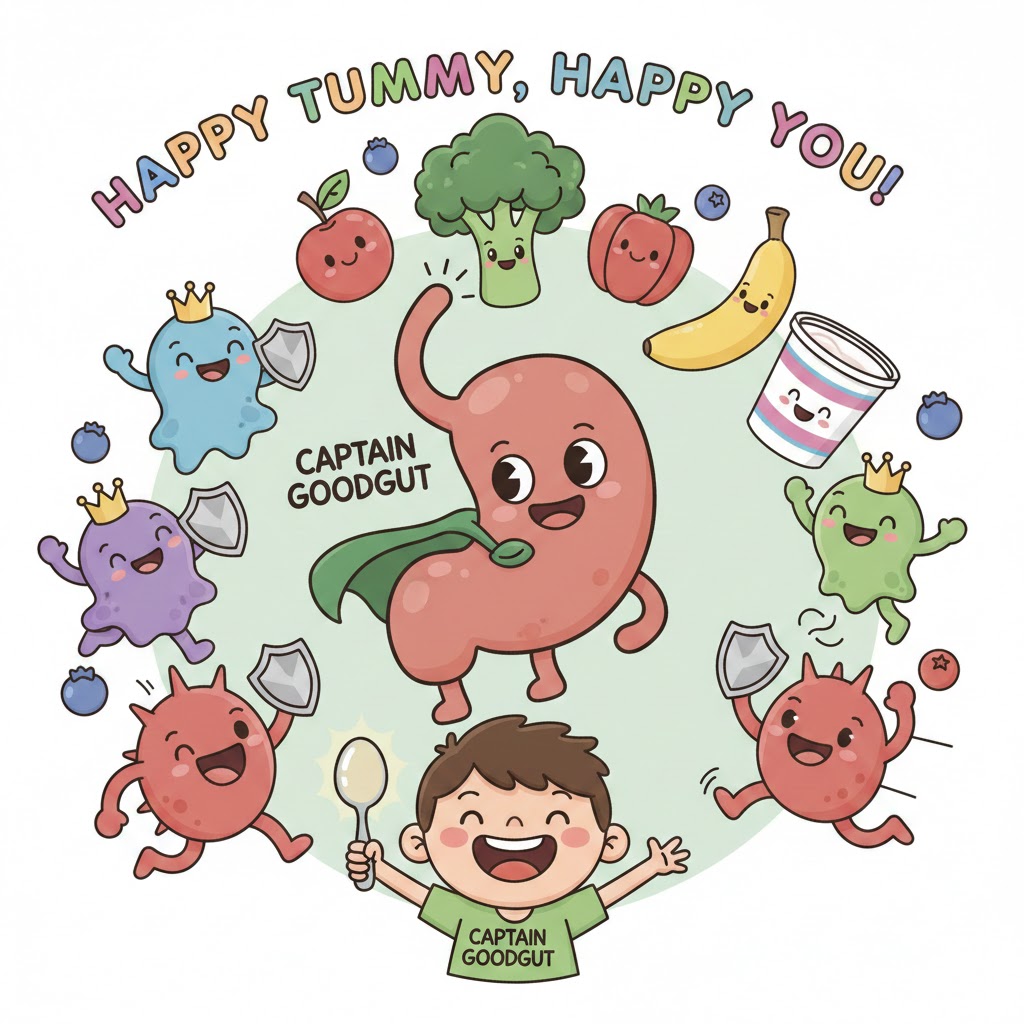

A kid-friendly cartoon featuring 'Captain Goodgut,' a superhero stomach character, surrounded by healthy food characters and happy, shielded microbes. The image includes the text 'Happy Tummy, Happy You!
Child Nutrition, Gut-Health

Kids Gut Nutrition: Eat Smart Feel Better

Kids face multiple gut-health issues these days. Kids’ gut nutrition to eat smart and feel better is a very important phenomenon. An important consideration is that working parents find it difficult to manage a good schedule for kids, because Kids are kids. I recently got feedback from a working mother that discipline has actually made things easier for her and her 2 daughters (Age 2 and 9). 1. Kids are not born with Earth Schedules Yes, that’s the most challenging part. Working parents had a good schedule before kids were born. But an infant hasn’t adjusted to the circadian rhythm yet. Few wonder kids might have a good schedule from the beginning, mostly they do not. Firstly, make sure new parents get a lot of help; if the family isn’t living together, then hire help. That’s important if both parents are working. Even during the maternity leave. It actually takes a village to raise a child. If the parents are not panicked, it is easier to form schedules. Try to fix the sleep schedule by the end of the first year. Why is that important for gut-health? Let’s take the reverse situation. If a child doesn’t have a proper sleep schedule, they will sleep late and get up late. Bowel movement, breakfast, all will be late. Gut microflora starts changing that way and affects gut health. This might/ might not show a huge impact till the child starts going to school. For example, if the child clears bowel by 11 am and eats breakfast by 10 am, once school starts, the school timings will interfere with this schedule. Now the child will refuse to eat breakfast, might not eat tiffin too, and release bowel movements after coming home from school. Early schools are 1-2 hours, but this time gap increases with age. I have a 10-year-old client who releases his bowels around 9-10 am on holidays and after 3 pm on school days. So basically, he is avoiding voiding his bowels in school and holding till he returns home. That also makes him feel bloated, hence not willing to eat breakfast/tiffin. This is not one case; it is very regular among urban kids. Hence, try to make the child eat early dinner and sleep by 8:30pm-9pm. Make sure this habit is created before the schooling starts. Talk to elders/ friends/ therapists for help if you find this challenging. 1 tip would be to create a sleeping environment at the required time, tell the child songs/ stories, and they will fall asleep. If it’s a habit, there will be fewer deviations; if not, then deviations will be frequent. 2. They need to drink water By hook or by crook, you have to make them a habit of drinking water. You know your child, do whatever it takes to build that habit. Saam, daam, dand, bhed, anything. And please, it has to be water, not juice, not cola, not soups, & no milk, and lassi also does not suffice for water, tender coconut water or lemon water is still ok, and please no tea/ coffee at all. 1 tip, you drink water well, if parents have the habit, kids copy. How much water has to be given? For children 11 kg to 20 kg, the daily water requirement is 100 ml/kg for the first 10 kg and 50 ml/kg for every kg above 10 kg. For children above 20 kg, the fluid requirement is calculated as 1500ml for 20 kg and 20 ml/kg for every kg above 20 kg, but more than 2400ml of fluid should not be administered at once. Kids need fiber too! The common notion is, let them eat whatever they want, at least tummy is full. They will learn to eat healthily once they grow up. I have a friend who is in their late 20’s and had a baby recently. She said, “Meri habits to kharaab hai diet mei, mei baby ki achi daalungi” Now, since she didn’t ask for advice, I couldn’t give. But I am pretty sure the kids would also learn to eat noodles, & not salads. Final Word One can discuss a lot of points to guide kids’ gut health and nutrition. A blog is too small for the same. Connect with dietitian Anuradha and regular counselling sessions can help you fix the gut-issues.

Kids Gut Nutrition: Eat Smart Feel Better Read Post »

Weight loss stuck
Weight Management

9 Ways to Break the Weight Loss Plateau

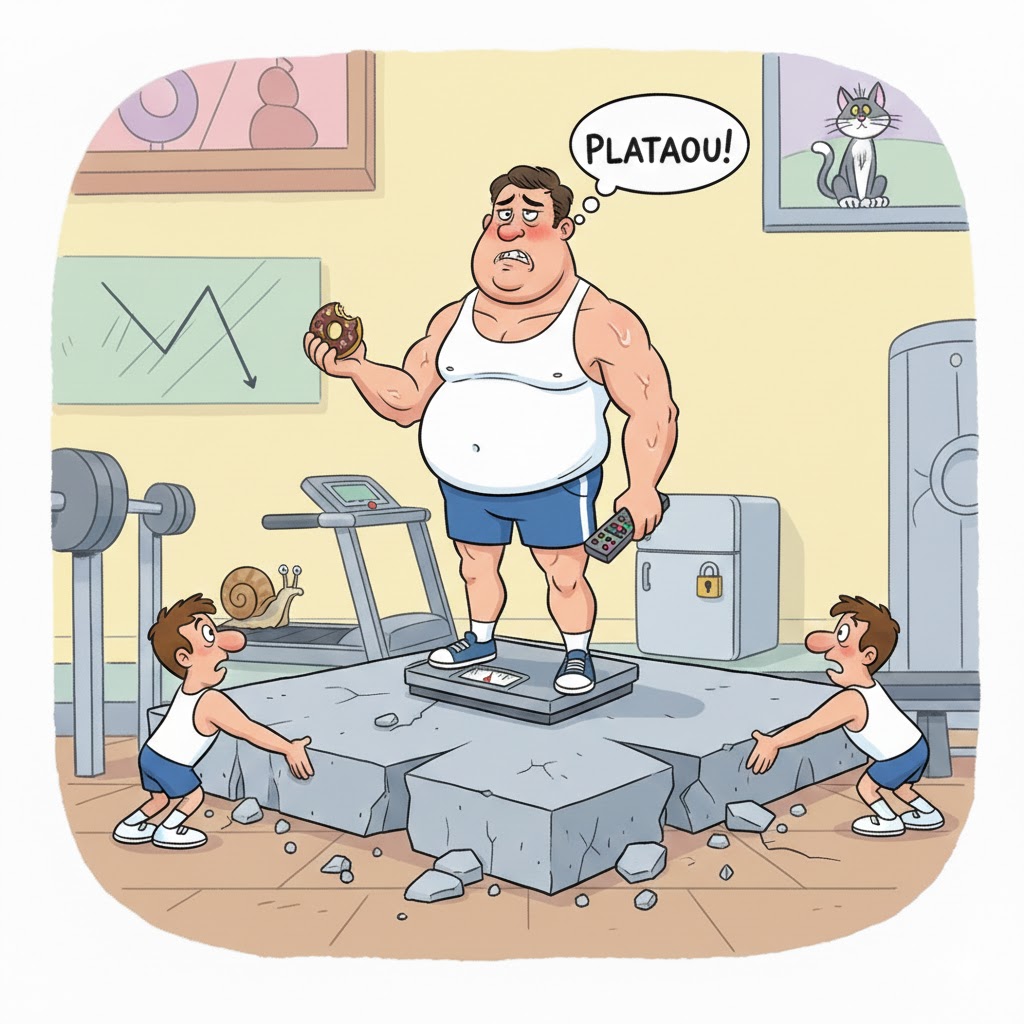
We live in the world of information, the Google world. Whatever question arises in our mind, we turn to Search engines. We often fail to check the fact that people who are writing these articles and posting on websites may not be qualified enough on the respective subject. We should break the weight loss plateau with genuine advice. Scientists who experiment on various questions of life are also never sure. In their research papers they write the shortcomings of the study, what can be other possibilities, etc. This is because, in any laboratory experiments, we can show absolute results. After all, we can make other factors constant. Meaning we can control temperature, atmosphere of the experimental area, can create vacuum too for the purpose. Although, when it comes to questions of life we cannot make other factors constant. Every human is different. We all live in different environments, weather, pollution level, families, cultures so on and so forth. Hence, when it comes to weight loss, there cannot be the same results for everyone. Due to different life situations, we reach a weight loss plateau earlier or later than others. Factors like our birth weight also matter. Uncontrollable factors in our lives make us different from each other. Hence, internet search cannot give solutions. So what can we do? 1. Take Professional advice from a qualified dietitian Remember Certified Dietitian may be a 2-month course. We must ask whether the person has at least a Master’s in Nutrition Science. A qualified dietitian can help us with different diet & lifestyle combinations, which may help in removing weight loss plateau. 2. Maintain a dairy diet dairy We might be making diet errors which we usually do not consider bad enough. Small pieces here and there. The concept of diet dairy can be an eye-opener. We must make sure to note down each bite we take. 3. Be active We workout hard for one hour and we feel it’s enough. Rest of the day we keep sitting or work in a sitting position. We must make sure to leave work for a while every hour or so, move around a bit, or stretch if possible. Use stairs, walk to the nearby stores, use public transport mostly, fetch your own glass of water, stroll post meals- these small steps will help in being active. 4. Different Individuals have different interests For exercise, one golden rule works. We must choose the one we like. In case we choose an exercise out of peer pressure or convenience, we may be bored out of it soon. If we do something that interests us, we will do it for life. 5. Take Rest We should give our muscles rest too. Keep one weekly day to rest. In case we are doing extensive workout since long time, we may change to shorter span with simpler exercises. 6. Never take fancy diets Our human system has been the same for years, in fact, the mammalian system. The liver still works the same way, eyes still see not hear, legs still walk not eat. Hence, we do not need fad diets which come and go. They may give some results momentarily but in the long run, may cause deficiencies. These deficiencies may cause multiple health issues including reaching the weight loss plateau fast. Deficiency of Vit-D, proteins, Vit B complex, etc. has been shown to cause plateau. 7. Low Carb/Protein/ Fats These never work. Our body needs energy to exercise and day to day work. And these are macronutrients for crying out loud. That means we require them much more than the exotic fruits and foods that we feel pride in eating.  We should be eating a small snack 20-30 min before exercise (in case doing it before breakfast), so that we have enough energy to work out. 8. Hormonal imbalance Sometimes any hormonal problem like PCOS, Thyroid, etc. can be the underlying cause. We must take medical help when required. Hormonal imbalance can be caused by poor lifestyle habits. Do you know, that the Scientist who won the Nobel Prize in 2017 in the medicine category won for his work on Circadian Rhythm? As per Wikipedia, “Circadian rhythms are regulated by a circadian clock whose primary function is to rhythmically coordinate biological processes so they occur at the correct time to maximize the fitness of an individual.” Light and dark influence these rhythms the most. So basically, we have to eat and sleep on time. If we do not follow such patterns the imbalances occur, causing plateau. 9. Weighing Machine Let us not emphasize too much on how much we weigh. It is a good practice to check your weight every week or month. Still, we must not be over-conscious about it. We must emphasize a healthy life more than what we weigh. A healthy lifestyle may show slow results but they will be long-term results. Being consistent is the key, following healthy patterns sometimes, and cheating sometimes does not help. What helps is regularly following: ● Balanced diet ● Good Water Intake ● Regular exercise ● Good Sleep Pattern ● De-stress, in today’s concern, de-screen too. DO NOT CHEAT A healthy lifestyle doesn’t give scope to cheat. That is because a small portion of a favourite meal can be included in a healthy lifestyle. Once we are sure we follow a healthy lifestyle daily, we can adjust a small portion of chole bhature/ bhaja sometimes. If we emphasise too much on results, we forget to “Enjoy the journey”

9 Ways to Break the Weight Loss Plateau Read Post »

Type 1 Diabetes
Child Nutrition, Diabetes, Thyroid, & Other Hormonal Issues

Type 1 Diabetes Diet for Kids: Indian Meal Plans for Stable Blood Sugar (2026 Guide)

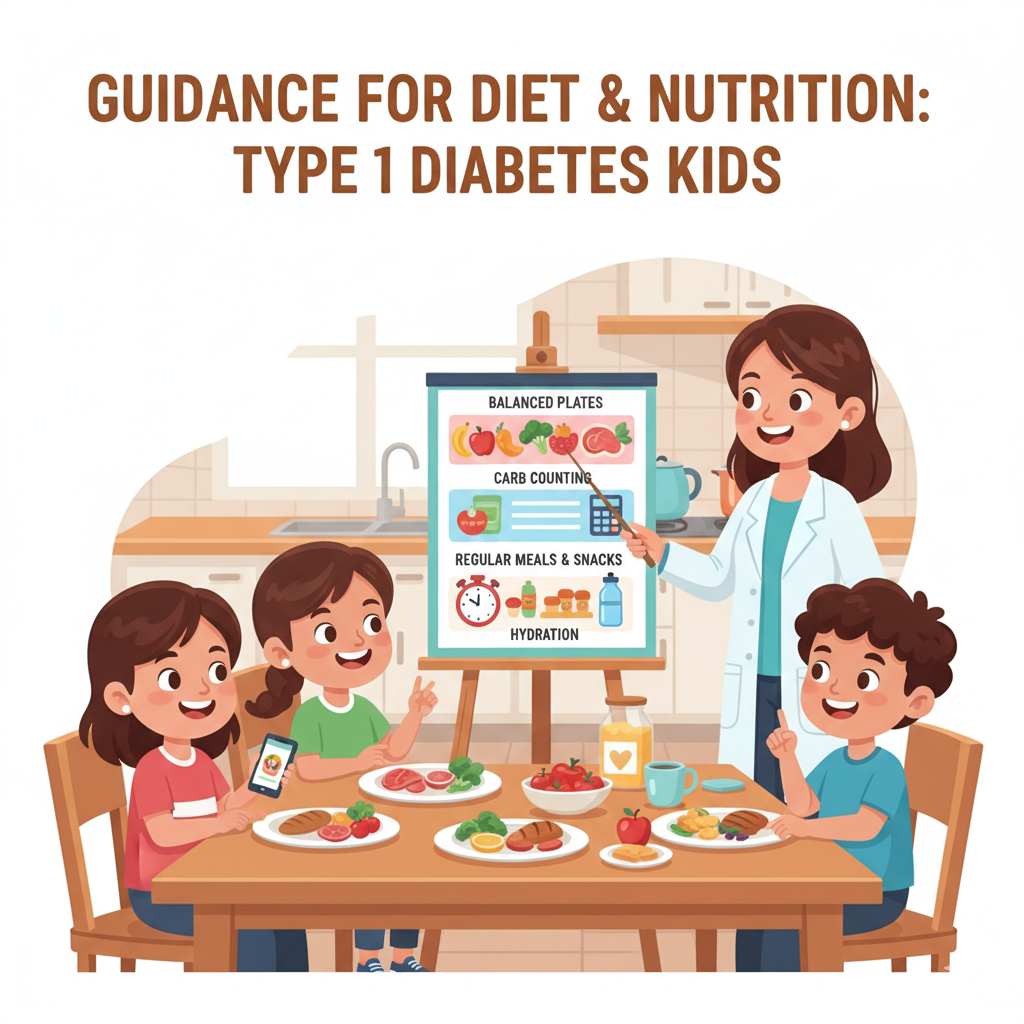
Introduction Managing type 1 diabetes in kids doesn’t mean boring meals—think dal-chawal with a smart twist! As a Kolkata-based dietitian, I’ve helped families stabilise blood sugar using everyday Indian foods. We have to understand Type 1 diabetes is totally insulin-dependent. Meaning the child’s pancreas aren’t able to make insulin at all. What Does Type 1 Diabetes Mean? When our body works fine our brain is in charge of Insulin. When we need energy, our cells inform the brain. The brain signals food sources or storage sources to send glucose (sugar) and pancreas for insulin. Actually, insulin is like a key. When energy reaches the door of the cell, the insulin key opens the cell door for it to let the glucose molecule enter the cell. When a child has type 1 diabetes, the pancreas does not make and send insulin to the cells. So, the lock on the cell door doesn’t open, and glucose doesn’t enter the cell to provide energy. The cell doesn’t know a glucose molecule is waiting at the door, and insulin is absent. It keeps sending signals to the brain, not having received glucose. Now the brain also doesn’t come to know the absence of insulin. So it keeps sending glucose from various sources first, then storage, and when that ends, it breaks down protein stores and converts them into glucose and keeps sending glucose. Once protein sources are exhausted, the brain starts using fat stores to convert into glucose. When the fats keep converting into glucose in this uncontrolled fashion, it leads to ketoacidosis, the classic symptom of type 1 diabetes. Since the absence of insulin was the actual problem in the first place, once it is provided through injection (or nowadays inhalers have also come, please talk to your endocrinologist regarding use), the usage of energy starts functioning systematically. Why is Type 1 Diabetes Diet Important? In the above explaination it is clear that now the control of insulin is not with the child’s brain anymore since the pancreas is not making it. Now the insulin is controlled by the endocrinologist’s brain, and they plan the doses according to height, weight, and age of the child. Although very intelligent, but the brain is now external to the child’s body. In a person whose pancreas functions normally, every time a person eats, the insulin production can manage the energy utilisation. Excess energy is stored in the liver and adipose tissue; everything works in a proper cycle. In a child with type 1 diabetes, this cycle is broken, hence the diet has to be planned according to the insulin doses designed by the medical practitioner. If we believe insulin is being given so the child can eat the way it pleases, that can be very detrimental to health. Frequent fluctuations, and as explained, ketoacidosis can occur. Is Type 1 Diabetes Scary? Unmanaged type 1 diabetes is scary and can be life-threatening. Well-Managed type 1 diabetes with diet, medical monitoring, and proper lifestyle surely gives the child a normal childhood and a healthy, long life. At OPD, we get questions like, ” Will my daughter live through, can she marry, have children, & lead a normal life?” I know these questions are coming from the bias of Indian society, but still, the answer is yes, Both Sons and daughters can marry and live a healthy married life with type 1 diabetes. The condition is regular medical monitoring, diet management and a good lifestyle. In today’s world, when chronic diseases are on the rise, these are essential for any person for a healthy, long life, otherwise even without Type 1 diabetes, people do suffer. What is Type 1 Diabetic Diet? The most important thing to understand is that every food coming from plant or dairy sources has carbohydrates. Some have more, some have less. Also, carbohydrates directly increase sugar levels. This is because, when brain signals sending of glucose, readily available carbohydrates are the first & fastest choice for the body to release glucose, as long as they are avilable body doesn’t use any other source. Earlier, a concept was created around this information, glycemic index values were given to the foods according to the ability to increase glucose in our bloodstream. People were advised to avoid high Glycemic index foods, restrict moderate ones and include low ones. But this system still didn’t regulate blood sugar levels. Why so? Even if we take low glycemic index foods only, but take too many servings together, the total of carbohydrate content in the meal increases sugar levels. Carbohydrate Counting As discussed, all dairy and plant source foods have carbohydrates, so we must count the carbohydrates in each meal. Each food group has a different amount of carbohydrate on an average basis. E.g. dairy has 12 gm carbohydrate per serving, cereal has 21-22 gm, pulses and legumes have 15 gm, fruits have varied and so on. A qualified dietitian can help you understand serving sizes for your child and carbohydrate counting so that you can efficiently balance glucose and insulin doses. Diet & Lifestyle for Type 1 Diabetes Apart from carbohydrate counting, we must ensure few more things: Final Word One can manage type 1 diabetes and lead a long, healthy life. Take help. It is a medical condition. Please do not go after quackery; so-n-so will reverse Type 1 diabetes. No, it won’t. One organ is not functioning; no quackery can make it work. Connect with me for detailed and personalised Diet plan and counseling. We will together monitor the child and learn the concepts for few months, then you will be tension free for life.

Type 1 Diabetes Diet for Kids: Indian Meal Plans for Stable Blood Sugar (2026 Guide) Read Post »

Picky Eater Kids
Child Nutrition

Picky Eater Kids

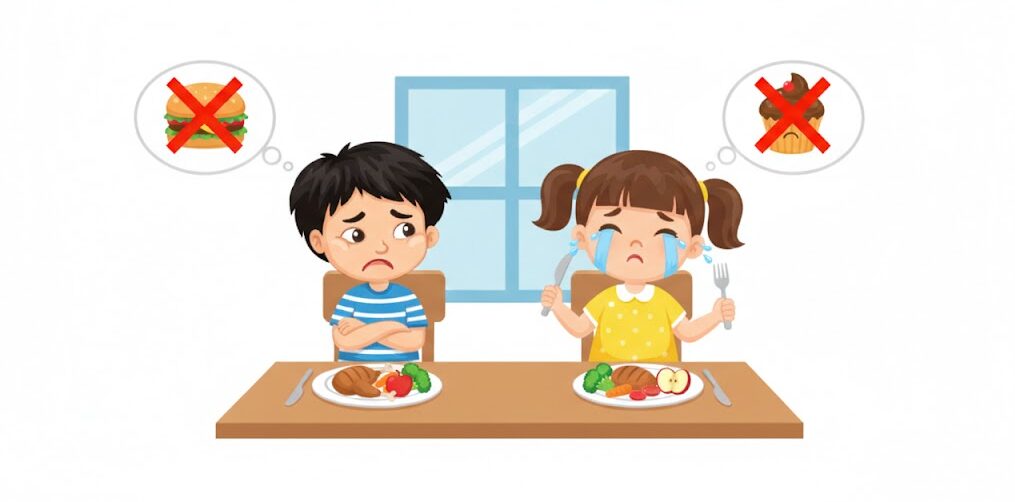
Parents face challenges in feeding kids. General myth is Picky eating is a common problem in today’s world. But that’s not true. Picky eating has been challenging in previous generations too. Haven’t you faced old age people in your family who are stubborn on how they want their meal to be? The challenge here arises that now there are less helicopter moms who can keep running around the house to feed kids. They have careers and they have less time to deal with the tantrums. Oh no, I am not saying you give up on your career. Absolutely not. A working mom will set a good example for their kids and kids also get to become more self-reliant. That is a beautiful form of parenting.  Kids One gets a lot of advice from family & friends, they see a lot of information but most solutions seem to be increasing a mother’s work. Let’s discuss a few pointers that might actually help for toddlers and younger kids.  What does an infant do with any object given to it? Takes in the mouth. Of course, we can’t allow the child to consume that is unhealthy, but if it’s a clean toy, or cloth, or something which it cannot choke on, or a dirty object let them chew. Even if we are removing any object, try doing it with methods which are not instinctive reactions. Tough job, but the infant is learning from your reactions, so we must practice to control them.  Every person is born with some Taste Preferences Research has shown if a mom has happily eaten a balanced diet during her pregnancy and accepted most tastes and textures there is a high chance the child will also be acceptable to most.  The Child is observing the Environment If you make excuses, the child will too. If you say, “Mujhe to doctor ne mana kiya hai”, the child will use the same excuse on your face. Although you know it’s a lie, it’s so cute that you smile and let it go. But as the child grows they learn what excuses will work.  They will also learn Tantrums When you feel the child is more rested, tell them why they are not allowed a certain food and why you want them to eat a healthy meal.   Praise everyday food Do not make the child sit and eat an entire meal in 2 hours Let them eat with their own hands Don’t make fancy dishes frequently But let’s get real. You are working, you don’t have so much time everyday. If the child learns that special meals will be prepared for them on a regular basis, it will be a big trouble, and no they will not learn to eat roti-sabji-dal-chawal-dahi-salad of you constantly give snacks made from the same ingredients with more colour and shape. Do not give special treatment, make them habituated to eat what is being prepared for the family. That’s the only way they will learn to eat family based meals and also will not increase your work.   Occasional pampering for rewarding them is ok though. These are pointers for kids below 12 years of age, starting from weaning. Parents who take counselings with me have commented that these points in addition to all the discussions we have during counselings, have not only helped the kids but also have eased work for working parents.  Teenagers are Different But teenagers are different. The challenges that we face with teenagers are not always taste but are influenced by society, friends, cousins, social media. Few pointers for Teenagers:  Once the child is a teenager, we need to become “friendly parents”. Not exactly friends, as our role is still to help them make sensible decisions, but in more of a friendly manner.  In that case, there is a chance they will be less influenced and listen to their parents more. Psychology says, boys have more inclinations towards mothers and girls towards fathers, so use this information to your advantage.   Let them hate you sometimes. I am not saying hit them, that will scar your relationship for life. But be firm on your rightful decisions.  Sometimes, the child can actually be right. Maybe they want a recipe which is influenced but is actually healthy. But you weren’t aware of it. Accept when you are wrong. Say sorry, build trust. That goes a long way in building faith in parent-child relationships.  Good news, they are big enough to cook. Make them prepare. In fact, we should make them used to household work.  We have to understand, our helping maids are making their kids educated, our kids might not get the same facilities. If they aren’t self-reliant, it might become challenging for them.  Final Word These are a few generalised points. This is a topic on which a book can be written. Every family, child, parent has their own challenges. You are most welcome to book your personal session with Dietitian Anuradha. Click on Contact us. 

Picky Eater Kids Read Post »

Article, Heart Health and Blood Pressure

How a Dietitian Can Help You Manage Cholesterol Levels Effectively

High LDL cholesterol has become one of the most common ways of life in India nowadays. There is an upward push in sedentary habits, strain, and a weight-reduction plan high in refined foods and saturated fat. This keeps wholesome cholesterol levels, which has become a task for plenty. While medicines can assist, a balanced weight loss plan remains the cornerstone of cholesterol management. This is where a certified dietitian plays a critical role. A dietitian now not only helps you understand what to eat but also creates a practical, sustainable plan. It is tailored to your possibilities, lifestyle, and scientific records. Let us explore how a dietitian can guide you to manipulate cholesterol levels efficiently — using acquainted, healthy Indian food. 1. Understanding Cholesterol the Right Way Before jumping into food alternatives, a dietitian enables you to understand the distinction between “proper” (HDL) and “terrible” (LDL) cholesterol. HDL allows clear excess cholesterol out of your bloodstream, whilst LDL can deposit cholesterol in your arteries, increasing the chance of heart disease. Many human beings accept as true that averting fat altogether is the key, but that is a delusion. A dietitian courses you in identifying fats that support heart health, together with those determined in nuts, seeds, and cold-pressed oils, and spotting fat to limit, including butter, processed ingredients, and fried gadgets. 2. Designing a Personalized Vegetarian Meal Plan If you need, I also can extend this segment with sensible examples of customized vegetarian meal plans inside the identical easy, humanized fashion. 3. Encouraging the Right Types of Fats: A dietitian is not going to eliminate fats, but rather support you in selecting heart-healthy fats. These might include: Incorporating those properly-overweight assets into your daily food regimen can certainly enhance HDL (appropriate cholesterol) and decrease LDL (bad cholesterol), selling a more potent and more healthy coronary heart. 4. Boosting fiber Naturally with Indian Foods fiber plays an essential role in lowering LDL cholesterol by binding with it inside the digestive machine and lowering its absorption into the bloodstream. A dietitian can manual you in which includes the right sources of fiber out of your ordinary Indian food plan. Some exquisite alternatives encompass: 5. Balancing Portions and Optimizing Meal Timing: Portion management is a key element of managing LDL cholesterol efficiently. Even healthy meals can be counterproductive when eaten in large quantities. A dietitian enables you to recognize how much your frame virtually desires and how to distribute food during the day to keep away from overeating. Simple practices that include choosing lighter dinners — e.g., a bowl of vegetable Dalia, or veg-khichdi, idli+ veg sambhar, rice+veg-kadhi. Include salad/ soup, or 3-course soups ~ winter delights — can prevent extra calorie intake at night. Maintaining a constant ingestion sample additionally makes a difference. We should be finishing dinner at least 2-3 hours earlier than bedtime. Also, fending off past due-night time munching permits your body to process food better and helps balance levels of cholesterol. 6. Recommending Healthy Cooking Methods Indian cooking regularly includes deep-frying, however a dietitian let you adopt healthier techniques without compromising taste: Small modifications like those can have a big effect on your coronary heart fitness through the years. 7. Adding Functional Foods and Spices. Indian kitchens are wealthy in natural elements that assist healthy levels of cholesterol. A dietitian can guide you on how to consist of them in your day by day food: Incorporating those substances into your daily food provides taste, variety and also supports a heart-healthy food plan. Every meal can be a step in the direction of better health! 8. Providing Continuous Monitoring and Motivation Managing cholesterol is not a one-time effort — it is a way of life. A dietitian monitors your progress through follow-up consultations, allows you to interpret your blood reports, and makes changes when needed. They also encourage you to stay regular with dietary and lifestyle conduct like walking, yoga, and hydration. Conclusion Dietitian Anuradha does not simply provide you with a diet chart. She empowers you to construct a protracted-time period, heart-healthy relationship with food. Achieve this by using traditional Indian ingredients accurately, balancing your food, and making clever lifestyle choices. You can successfully manipulate low cholesterol and enjoy better basic fitness. With Dietitian Anuradha, you will be equipped to take care of your cholesterol levels certainly and sustainably.

How a Dietitian Can Help You Manage Cholesterol Levels Effectively Read Post »

_Wedding Weight Loss
Article, Women Health Nutrition

How to Plan Your Wedding Weight Loss Diet Effectively

Organizing a wedding is among the most thrilling and emotional experiences one can undertake. Selecting the appropriate venues, vendors, and guest list is crucial, as both the bride and groom aspire to look and feel their best on this significant occasion. A primary objective? To shed a few kilos in a healthy and sustainable manner. If you are curious about how to effectively plan a weight loss diet for your wedding, the solution lies not in fad diets or leftover meals, but in providing your body with wholesome, balanced, and locally sourced foods. As a dietitian based in Kolkata, I have assisted numerous clients in preparing for their wedding day. When you walk down the aisle, you will have a comprehensive guide to achieve your ideal shape and ensure you feel confident, energetic, and radiant. 1. Establish realistic weight loss objectives Take a moment to clarify your intentions before diving into meal plans and workout routines. A healthy rate of weight loss typically ranges from 0.5 to 1 kg per week. Therefore, if you have three months leading up to your wedding, aiming to lose 5-8 kg is both achievable and safe. Steer clear of crash diets that promise quick results, as they can leave you feeling weak, lethargic, and fatigued. 2. Recognize your body’s requirements Nutritional needs vary significantly depending on factors such as age, current weight, lifestyle, and health status. Also, you don’t want to loose the glow for your wedding. A personalized approach is always preferable to mimicking a diet found online. In Kolkata, Dietitian Anuradha Sharma, seeking advice from a qualified dietitian can assist in customizing your diet to suit your body type, daily routine, and timeline. 3. Select appropriate foods – Prioritize local and seasonal options The most effective diet for your wedding does not necessitate imported ingredients or extravagant supplements. Believe it or not, the key to a healthy lifestyle is already available in your kitchen. Include: Complex carbohydrates: Rice, poha, oats, millets (including millet, jowar, ragi), and whole wheat bread offer sustained energy. Lean protein: moong dal, lentils, rajma, gram, cheese, curd, eggs, and lean cuts of chicken or fish (for non-vegetarians). Healthy fats: Incorporate mustard oil, coconut, peanuts, and ghee in moderation. Steer clear of refined oils. Fruits and greens: Ensure that at least half of your plate is filled with fresh produce—nutritious leafy vegetables such as spinach, methi, or bathua, along with seasonal fruits like guava, papaya, apples, or berries for essential nutrients, minerals, and fiber. Hydration: Begin your day with warm water mixed with Jera water or lemon. Herbal teas such as basil or ginger tea aid in enhancing metabolism. Avoid: Refrain from consuming: Deep-fried snacks (such as samosas and pakoras) Additional Chinese items (including maida, sweets, and sugar chai) Excessive amounts of white rice Refined flour products (maida-based items like naan, biscuits, and bakery goods) Carbonated beverages and packaged juices Also avoid Fad diets 4. Practice mindful eating and portion control Regardless of how nutritious your food choices may be, consuming large portions can still lead to weight gain. Utilize smaller plates to help manage portion sizes. Chew your food slowly and minimize distractions, such as screens, while eating. Adhere to the 80-20 principle: Stop eating when you feel 80% full. Avoid having late dinners; aim to complete your last meal by 8 PM. 5. Organize a meal in accordance with your program Preparing for your wedding will keep you occupied, but consuming food at irregular times can interfere with your metabolism. Adhere to three balanced meals and two light snacks. Example food plan for wedding weight loss: Early morning: hot water with lemon or soaked fenugreek seeds + nuts and seeds  Breakfast: Plain Dosa + 1 Fruit with Vegetable Upma / Moong Cheela / Coconut Chutney + add milk/ sprouts/ sattu for protein Mid-morning: coconut water + fruits Lunch: 1-2 rotis, a portion of vegetable lentils/ curd paneer, a small amount of rice, and salad Evening Snack: Lemon and Chaat Masala with Roasted Chana / chana zor garam chaat/ peanuts/ sprouts chaat Dinner: A bowl of lentil/ bean soup accompanied by light khichdi or stir-fried vegetables + corn 6. Do not overlook physical activity Although diet is crucial, physical movement aids in accelerating metabolism and enhancing your mood. An expensive gym membership is not necessary. A daily 45-minute session of walking, yoga, or dancing can suffice to burn calories and alleviate stress. 7. Beauty Sleep and stress management considerations The wedding planning process can be stressful, leading to emotional eating or sleepless nights—both of which can impact your weight. Aim for at least 7-8 hours of quality sleep and incorporate deep breathing exercises, meditation, and music therapy into your routine. 8. Maintain consistency and monitor your progress Weigh yourself weekly rather than daily. Take progress photographs and measure your body every 2-3 weeks. Celebrate small victories – feel better or more energetic in your attire. 9. Be cautious of “rapid results” Refrain from endorsing detox teas, weight loss pills, or starvation diets online. While these may yield temporary outcomes, they can lead to swelling, hair loss, and fatigue – conditions you certainly wish to avoid before your significant day! Final thoughts The objective of a wedding weight loss plan extends beyond merely looking attractive in photographs. As you embark on a new phase of life, it is about feeling confident, robust, and vibrant. With appropriate nutrition, a touch of discipline, and the guidance of a professional, you can attain your ideal physique without jeopardizing your health. If you are unsure where to begin or require a tailored plan that aligns with your schedule, preferences, and body type, seek advice from a certified dietitian in Kolkata. You deserve to feel your best, not only on your wedding day, but every day.

How to Plan Your Wedding Weight Loss Diet Effectively Read Post »

Cholesterol
Article, Heart Health and Blood Pressure

Say Goodbye to High Cholesterol – Expert Diet & Lifestyle Consultation

High cholesterol has quietly emerged as one of the most common lifestyle worries in today’s rapid-paced world. Often known as a “silent” circumstance, it doesn’t commonly show symptoms until it results in extreme health issues like heart disease, stroke, or arterial blockages. But with the right, healthy diet for cholesterol management,, with lifestyle adjustments, can help. This enhances your basic heart health naturally. If you are seeking out excessive cholesterol control without useless complications, it’s time to focus on nutrients. Healthy behaviour and expert steering from a professional dietitian is a must. Understanding Cholesterol – The Basics Cholesterol is a fatty substance found in each cell of your body. It’s vital for producing hormones, diet D, and digestive enzymes. However, when cholesterol levels go out of balance — mainly the “horrific” LDL cholesterol — it can cause fatty deposits in your arteries, leading to restricted blood flow and a better chance of coronary heart disease. The key to High Cholesterol Diet plan manipulation is reducing LDL ranges even as maintaining or growing HDL ranges via a balanced cholesterol weight loss plan and normal physical hobby. Causes of High Cholesterol Some elements are past your control, together with genetics, age, or certain medical situations. However, way of life factors play a big function: Dietary for cholesterol management Your excessive ldl Cholesterol Diet healthy eating plan ought to raise awareness on meals that evidently lessen LDL ldl cholesterol and promote coronary heart health. 1. Eat greater soluble fibresSoluble fibre acts like a magnet for LDL cholesterol, attaching to it and helping your body to flush it out. This procedure helps clean arteries and improve heart fitness. 2. Choose Heart-Friendly FatsReplace risky saturated fats with unsaturated fat that nourish and guard your heart. These wholesome fats can help lower terrible ldl cholesterol and enhance common cardiovascular well being. 3. Plant -Select the proteinReduce red meat intake and choose protein from plant protein.Source: Beans, Chole. 4. Add greater fruits and vegetablesThey are wealthy in antioxidants, nutrients and minerals that fight irritation and support heart characteristics. 5. Avoid trans fatGive it to the baked snacks, fried fast food and cooked items with hydrogenated oils. Sample Diet Plan for Managing High Cholesterol A considerate meal plan can play a chief function in lowering ldl cholesterol and protecting your heart. Here’s an example of a coronary heart-healthful every day routine: In the morning (just after waking up): Start to gently wake up your system to mix your day with fresh lemon juice with a glass of warm water. Alternatively, Boost your omega-3 naturally with a teaspoon of ground alsi (flax seeds) or add walnuts (akhrot) to your daily diet for a healthy dose of essential fatty acids. Breakfast: Have a bowl of cooked oats crowned with nuts and berries for a nutrient-wealthy starting, alongside a cup of green tea to offer antioxidants and raise your metabolism. Mid-Morning Snack: Enjoy an easy apple or pear, paired with 5–6 almonds which have been soaked in a single day for higher nutrient absorption. Lunch: Choose both rice or whole wheat chapati, served with a part of dal, some lightly sautéed vegetables, and an aspect of sparkling salad for fiber and hydration. Evening Snack: Snack on roasted makhana or sprouted moong for a healthy protein boost. This keeps you energized and full until dinner. Dinner: Enjoy steamed or lightly pan-fried rohu with masala, or besan chilla with spinach. Pair it with amaranth or jowar upma for a nourishing end to your day. Lifestyle Habits for Healthy Cholesterol Levels Why Professional Guidance Matters Working with a professional dietitian could make all of the difference. A personalized excessive ldl cholesterol weight loss plan takes into account your medical records, day by day recurring, and meals options—making sure that your effects are each effective and sustainable. At Dietitian Anuradha’s, every plan is crafted to deliver lengthy-time period blessings—balancing nutrients, guiding way of life adjustments, and imparting sensible suggestions you could effortlessly observe at home. Take the first step in the direction of higher coronary heart fitness these days. With the right nutrients, healthy habits, and professional steerage, you can effectively lower ldl cholesterol and shield your coronary heart for years to come.

Say Goodbye to High Cholesterol – Expert Diet & Lifestyle Consultation Read Post »

Nutrition for Women in Their 30s & 40s
Article, Women Health Nutrition

Nutrition for Women in Their 30s & 40s: What to Eat & What to Avoid

During their thirties and forties, women experience slower and subtle yet impactful shifts within their body. There is an increase in the likelihood of developing conditions like diabetes, hypertension, and thyroid disorders. Additionally, the bone density in women may start to decline, and their metabolism may start to slow down. Hormones start to fluctuate. Unhealthy eating is more tempting, and professional responsibilities, coupled with family and social commitments, add to the chaos.  Hence, nutrition for women at this age is very important. Nutritional deficits are not the only factors that need to be tackled whilst entering middle age. The proper nutrition actively mitigates the risk of diabetes and hypertension, among other chronic lifestyle diseases. With muscles, bones, and overall vitality, strong nutrition balanced during this time is essential. Instead of relying on shortcuts, this is the perfect time to eat for the long-term restoration of the body and vital energy.  What Makes These Years Important for Your Well-Being   Skin elasticity and bone strength are two of the numerous aspects of a woman’s body that rely on estrogen and can suffer with its gradual decline in the mid thirties. Increased risk of developing perimenopause may cause irregular periods and a multitude of other symptoms in addition to mood disorders. As the body accumulates these changes, a diet rich in nutrients actively strengthens the body and protects vital functions. Additionally, a well-rounded diet can play a massive balancing role in the body’s ability and aid in long-term support. Nutrition for women should include 1. Calcium and Vitamin D for Firm and Healthy Bones The aging process can be rough.  Furthermore, the deterioration of bones begins to ramp up after the third decade of life, necessitating the intake of Vitamin D is a big deal, let’s not kid ourselves. Where to score it? Think low-fat dairy, those fancy plant milks with “fortified” plastered on the label, spinach, ragi (underrated, honestly), sesame, and almonds. Oh, and don’t forget the OG source—just step outside. Sun’s free. Ten, maybe fifteen minutes and boom—your body’s cranking out vitamin D like a champ. 2. Lean Proteins: Muscle & Hormones Need Some Love Look, muscle mass isn’t forever. It starts bailing as you get older—rude, I know—so protein’s important. Plus, your hormones are basically running the show, and they need the good stuff. Stock up on: Lentils, chickpeas, tofu, paneer & other dairy, non-veg if you take. Whatever floats your boat. Pro tip? Cram a little protein into every meal, even evening snacks. It helps keep you full and your blood sugar from acting like a rollercoaster. 3. Healthy Fats: Not All Fats Are the Enemy Let’s squash the “all fat is evil” myth. Omega-3s? Total game-changer for your brain and heart. They even chill out inflammation. Best picks: walnuts, chia seeds, flaxseeds, other nuts and seeds. You know the trad practices that are coming back to life.  4. Fiber: Your Gut’s BFF Fiber isn’t just for your grandma, okay? It keeps things moving, supports your heart, and helps keep sugar levels in check. Where to find it: oats, brown rice, whole wheat bread, veggies, fruits, pulses (take sprouts too). Mix it up. 5. Iron & Folate: Energy On Tap If you’re always tired, maybe it’s not just “one of those days.” Iron deficiency is a sneaky culprit, and folate’s right up there in importance for cell repair and blood health. Get it from: spinach (again!), beetroot, lentils, fortified cereals, lean meats. You’re welcome. 6. Antioxidants: Skin & Cells in the Spotlight Want that glow? Antioxidants are your ticket. They fight the bad stuff (oxidative stress), slow down aging, and keep your skin looking fresh. Best sources: berries, citrus, tomatoes, carrots, green tea, basically anything bright and colorful in the produce aisle. 7. Hydration: The OG Beauty Hack Water isn’t just for thirsty people. It does everything—boosts metabolism, helps detox, keeps your skin less, well, crusty. Tip: Aim for 8–10 glasses, and toss in water-rich foods like cucumber and watermelon if plain water bores you to tears. Stuff to Avoid (or, at least, restrict) 1. Refined Sugars Cakes, sodas, packaged “fruit” juice—these guys spike your insulin and mess up your hormones. Not cute. 2. Salt Overload Processed stuff, instant noodles, chips, canned soups—too much sodium means puffiness and high blood pressure. Pass. 3. Trans Fats Margarine, fried foods, and baked goods with “hydrogenated” on the label should be avoided as these fats are basically out to get you. 4. Caffeine Mania Coffee’s great until it’s not. More than two cups? You’re risking bad sleep and messing with your bones. 5. Alcohol Not a drop is ever cool, & definitely don’t go wild. Too much and your hormones, bones, and liver aren’t going to thank you.Remember Alcohol has worse health effects on women.  Lifestyle Moves to Back Up Your Diet – Move your body. Lift, stretch, run, whatever. Just don’t be a statue. – Stress less. Try yoga, deep breathing, or just shut your phone off for a minute. – Sleep’s not optional—7 to 9 hours, minimum. – Don’t skip those check-ups. Get regular monitoring of blood pressure, sugar, cholesterol, and bones. A Real-Life Day on a Plate (for Women in Their 30s & 40s) Final Word Honestly, your 30s and 40s? That’s prime time to get your act together for the future. Eat smart, move around, ditch the junk, and you’re setting yourself up for decades of feeling good. And hey—if you want the VIP treatment, Dietitian Anuradha’s got your back. She’ll whip up a plan that actually fits your life, and not just generic advice. Go on, invest in yourself.

Nutrition for Women in Their 30s & 40s: What to Eat & What to Avoid Read Post »

diet chart for a 3-6 year old child
Uncategorized, Article, Child Nutrition

How to make a diet chart for a 3-6 year old child?

A food guide by a dietitian Anuradha Children between 3 and 6 years of age undergo an important phase of development and development. Their brains are growing rapidly, physical activity increases, and therefore requires proper nutrition. As a parent, providing the right balance of foods rich in vitamins, minerals and energy to your child is essential for their overall health and immunity. Creating a well-employed diet chart is not complicated for a 3-6 year old child. As a dietist Anuradha, we believe in keeping it simple, nutritious and tasty – using the ingredients available easily in every kitchen. 3-6 year nutritional requirements  What should be included in your child’s daily diet here:. Carbohydrates: Energy Booster (Roti, Millets, Sabudana, Bhutta (Corn), Makhana, Rice, Poha, Idli, Dosa, Uttapam, Ragi Mudde) . Protein: muscle and brain development (lentils & Pulses, curd and other dairy products, Nuts) . Fat: Essential for brain development (ghee, nuts & seeds, healthy oils) . Calcium: Strong bones and teeth (milk, ragi, curd, nuts & seeds, green leafy vegetables, water chestnut) . Iron: Blood and brain health support (green leafy vegetables, raisins, dried apricots, date, chickpeas & other legumes, nuts & seeds) . Fiber and liquids: Keeps digestion strong (fruit, whole grains, sprouts, salads, vegetables, tender coconut water, lemon juice, clear soup, thin lassi, water)  Ideal Meal Schedule for Children (3–6 Years) Creating structure helps children eat better. Here’s a simple routine: Meal Time Suggested Meal Early Morning (7:00 AM) Warm milk with a few soaked almonds or raisins Breakfast (8:30 AM) Vegetable upma / besan chilla / aloo paratha + curd Mid-Morning Snack (10:30 AM) Seasonal fruit (banana, apple, chikoo) Lunch (12:30 PM) Rice + dal + ghee + sabzi + small salad or curd Evening Snack (4:30 PM) Vegetable poha / dhokla / alu-chana chaat Dinner (7:00 PM) 1-2 phulka + paneer or dal + veggies Food tips for picky eaters Healthy Homemade Snack Ideas Foods to Avoid These foods are low in nutrition and can affect digestion, energy, immunity, Brain development, growth and development over time. Final Thoughts from Dietitian Anuradha The 3–6 age range is a golden window to build healthy eating habits that last a lifetime. A food offers a treasure trove of balanced meals using dal, roti, rice, vegetables, dairy, and fresh fruits. With the right guidance and simple planning, you can give your child everything they need—nutritionally and emotionally—on their plate. Want a personalized diet chart for your child based on their taste preferences, growth, or medical needs? Book a consultation today with Dietitian Anuradha and give your child the gift of lifelong health.

How to make a diet chart for a 3-6 year old child? Read Post »

Work Life Balance
Article, Balanced Diet & Specific Nutrients

Work-life balance: 5 lifestyle tips that help

There is a reason why the current work culture in India lacks a work-life balance. Two generations ago, our nation was under colonial rule. By the time it ended, we had to confront the world wars. The economic repercussions were undeniably significant. We endured malnourishment, famines, and numerous economic challenges during and even after the colonial period. There was terrorism, communal riots, and even educated individuals struggled to find employment. Naturally, those parents instilled in their children the belief that education and career are paramount in life. They taught that one should prioritize work over eating, sleeping, and playing to earn a living. Consequently, the current generation has been raised with this mindset. As a result, we do not appreciate the importance of work-life balance. This is why foreigners persuaded us to work night shifts for them, allowing them to maintain their work-life balance. We are so CONSIDERATE of the time difference that we fail to recognize how this arrangement is detrimental to our health. Here are 5 tips that can assist us: 1. Be selfish – We must begin to prioritize our health. We rank first in heart diseases, second in the least amount of sleep, and are runners-up in depression, diabetic capital of the world. These are not achievements to take pride in. At dietitiananuradha.com, we encounter patients who have already suffered damage to multiple organs yet remain more concerned about their jobs. How can we treat someone with a lifestyle disease without altering their lifestyle? Their work does not allow them time to eat, sleep, hydrate, or even relieve themselves. Sometimes, it is not solely the management’s fault; employees willingly engage in this behavior to prove their worth. However, they are not demonstrating anything other than the prevalence of lifestyle diseases and organ damage resulting from an inadequate work-life balance. 2. Relax – It is advisable to engage in a hobby that does not involve OTT platforms or video games. After work hours, it is essential to disconnect from work-related thoughts. Envision yourself in the 1990s upon returning home from your job. Share a meal with your family, discussing the day’s experiences. Assist your spouse in tidying up the kitchen. Take a leisurely stroll after dinner. Spend quality time with your children playing games such as ludo, carrom, or chess. Enjoy romantic moments with your spouse. Listen to music, view old photographs from your childhood, paint, sing, read (preferably on paper, as Kindle was not available in the 1990s), play the organ, or engage in any activity that brings you joy. 3. Sleep and Eat on Time – Our bodily systems operate involuntarily, meaning we do not have direct control over them. However, our brain manages these functions automatically. It has been established that the brain optimizes bodily functions when we adhere to a lifestyle aligned with our circadian rhythm (the body’s internal clock). Even if we attempt to instruct our brain to adjust to a new lifestyle, it is unlikely to comply. Therefore, it is crucial to maintain a regular schedule for eating and sleeping. Otherwise, we risk becoming leaders in chronic lifestyle diseases. Please refrain from claiming, “Nothing happens to me.” Statistics do not lie. We have encountered cases of 19-year-old cardiac patients, 16-year-old individuals with type 2 diabetes, and 6-year-olds with grade three fatty liver, all of which stem from lifestyle choices. Moreover, if we neglect to eat properly when we require energy during work hours, we often resort to stress eating, which tends to be high in calories, sugar, salt, and fats. 4. Gratitude – It is important to express gratitude for what we have on our plates. Fold your hands, thank God, and enjoy your meal, whether it consists of green vegetables, dal, roti, rice, idli, or any other family dish. Natural foods are not tailored to our preferences like processed foods are; we must adapt to their flavors. Vegetables, fruits, and dals that we may not enjoy for their taste are beneficial for our health. Conversely, processed foods, which are designed to cater to our tastes, can be harmful. Visiting places such as CINI (Child in Need Institute) can enhance our appreciation for what we have. It may also inspire us to become better individuals who are more generous. 5. Meditate and exercise – Begin your day with a positive mindset. As per our earlier advice, you have already risen early. Now you have the opportunity to engage in exercise, take a bath, pray, meditate, prepare breakfast, and eat. With such a start, your performance at work is bound to soar. As the well-known saying we often repeat goes, “It is simple to be happy, but it is difficult to be simple.” In a similar vein, “It is simple to be healthy, but it is difficult to be simple.” Furthermore, social media has led us to develop addictive behaviors and has significantly disrupted our lifestyles. I came across a fascinating post that stated: when something is free, you are not the customer; you are the product. Consider this: you become addicted to processed foods, streaming services, and social media. As a result, you may fall ill and find it challenging to alter your lifestyle, becoming reliant on medication and healthcare facilities. Numerous industries thrive on your dependency. We have been bestowed with a precious gift, our brain, which can be likened to Felix Felicis. Utilize it wisely.

Work-life balance: 5 lifestyle tips that help Read Post »

Scroll to Top

Quick Enquire