Child Nutrition

Childhood Obesity: Shocking Causes and Simple Fixes for Busy Parents

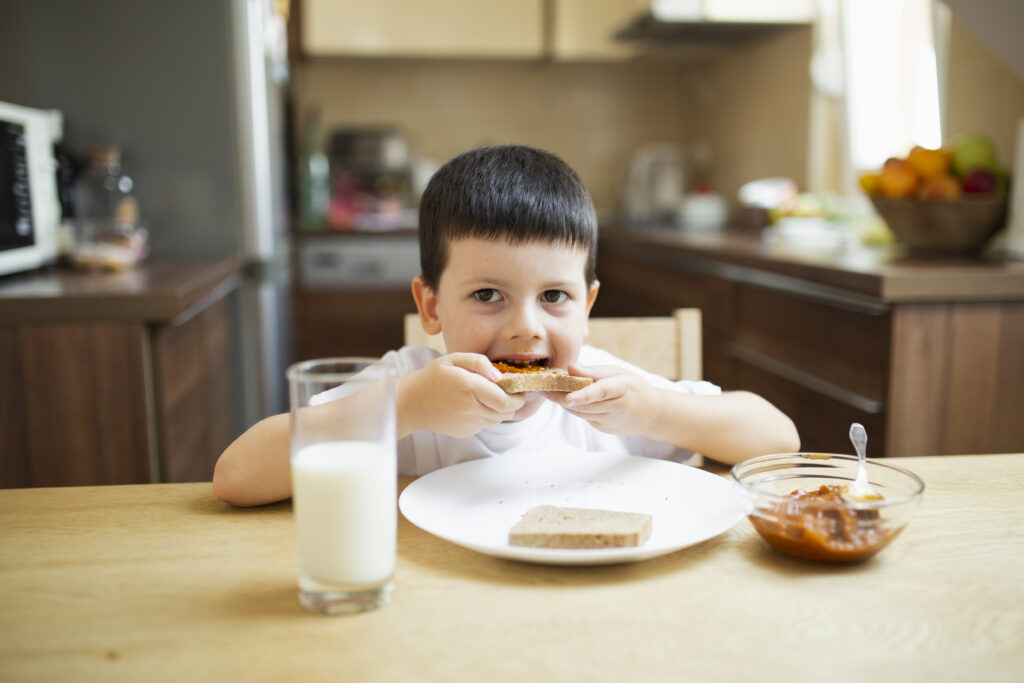
India ranks second in the world for Childhood obesity. 41 million kids in India are overweight or obese, this includes ~14.9 million children aged 5–9. So childhood obesity is not starting with rebellious teens; it is starting as early as 5 years of age. Childhood obesity has shocking causes and very simple fixes for busy parents. Let’s discuss one by one. Causes for childhood obesity Pampering by parents/ grandparents/ family Yes, as a dietitian, I have experienced that this is the number one cause of childhood obesity. The family of kids keep saying, let’s feed the child whatever it wants, he will learn to eat healthy when he grows. Well, sad news is that if the child is not habituated with healthy food from childhood, they will never learn healthy eating in life. If the child has already developed picky eating, you might need counseling to improve the habit. Cesarean Section A lot of the urban population is planning a C-section for delivery. Unfortunately, it’s a major surgery and has many side effects. One of them is the child at risk for pre-adolescent obesity. Research has shown time and again. Surgery should be opted for when there is a clinical need, but elective surgery is not a great idea. One might say, it’s easier, trust me it’s not. In case you are scared of the pain, there are other measures like prenatal yoga, a healthy diet during pregnancy and an epidural injection during labour. Low Birth Weight Another shocking reason. A lot of studies have shown that an infant born with birth weight lower than 2.5 kg is likely to develop obesity early in life. This phenomenon is largely driven by “catch-up growth”. When small babies experience rapid weight gain in early infancy, it often programs their metabolism to store fat, raising long-term cardiovascular and metabolic risks. Nutrient Deficiencies Common nutrient deficiencies associated with childhood obesity are Protein, Vitamin D, Iron, Zinc, Magnesium, Vitamins A, C, E. No, no, don’t rush for supplements. These deficiencies happen because kids with picky eating usually consume more empty calories and not nutritious foods, and then the deficiencies cause hidden hunger. This hidden hunger makes them have cravings. Also, Indians never say no if a child is asking for food. Gol-matol bachcha acha lagta hai na. Babies look cute when chubby Baby fat will go away; let the child eat. That’s the biggest myth. Baby fat goes after the child is 1 year old and the child starts walking. This development makes the child very active, and this is followed by a period of rapid growth and development. Baby fat should go away at this age. In case a pre-school child is so-called “chubby”, then I am sorry to say, the child is suffering from childhood obesity. Low physical activity Urban India has a very common pattern of providing toddlers with mobiles/ tablets and middle-schoolers with laptops. The screen has snatched the playtime. One might argue, we don’t have parks nearby, where would the kids play? As a child, I didn’t have a park nearby. We used to play inside the house, with a ball, skipping rope, table tennis on dining tables, and lawn tennis in the sitting room. Jumping around in stairs, cycling in the evening in the parking area before the cars came back from offices. If you don’t give screen, kids will find a way to jump around. There are many more; it will be easier to explain in a counselling session, and the discussion should be held specific to your child, since getting scared with lot of possibilities is very overwhelming for parents. Simple fixes for busy parents Take Help: If you are both working parents, you CANNOT get by without help. Take help. If you can hire cleaning staff, cooking staff and every kind of person who can let you spend your extra time (time apart from office) with your kid. Ask for help from grandparents too. They are fond of their grandkids, bank on the opportunity. Be the right ideal: If you want your kids to eat healthy, you have to set the right environment. No Ultra-Processed Rule: Be strict about this; no one should be allowed to gift your kids with unhealthy stuff. NOT EVEN GRANDPARENTS No Screens: Yes they might make the home bit messy, yes they might sometimes get hurt. It’s ok. Give them opportunity to play and jump around. Give props which will make them active. If you have a park nearby, please find time to take them. Introduce balanced meals at an early age: If you are eating healthy balanced meals, the kids will follow. Some foods they would initially reject. They are new to Earth, it’s ok, everything is new to them. Give them rest, let them try a maximum of two new foods in a week, let them get used to them. Once they get familiar with the taste, move on to other new foods. Some kids do not like two textures together; they will have chapatti/ paratha with vegetable preparation, but soft rice made pulav should not have crunchy veggies in the recipe. Try to prepare meals with similar textures and do not mix two kinds at one meal. Every parent might have a specific challenge, as every family is unique and so is every child. You are most welcome for personalised counseling session with me.

Childhood Obesity: Shocking Causes and Simple Fixes for Busy Parents Read Post »
Child Nutrition

Child Nutrition for Body Aches: Foods That Help

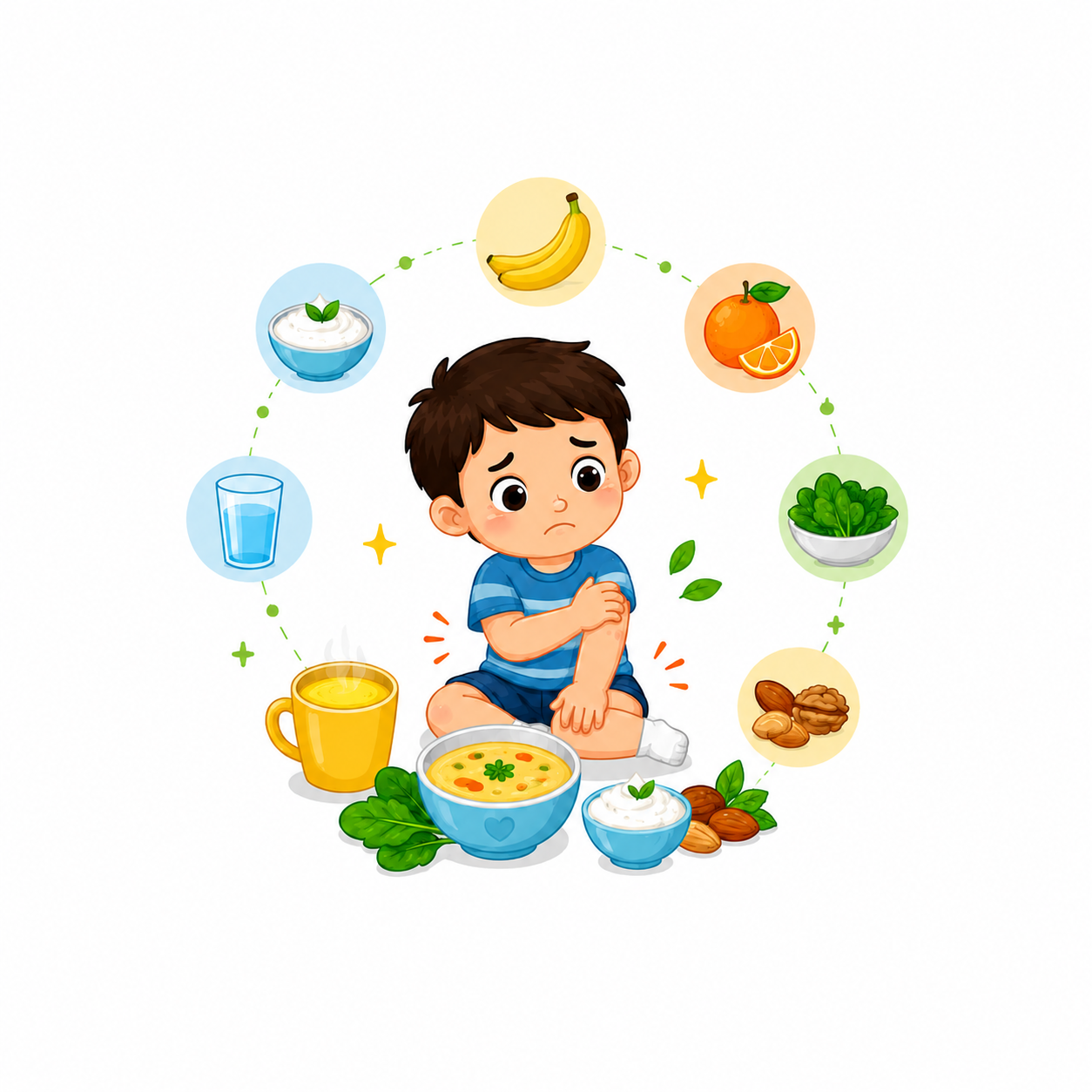
Your kid is growing every day. Sometimes you will notice slow growth, but at certain age brackets, the growth is rapid. That period is called the Growth Spurt period. Kids will be happy to grow faster, but along with it comes the pain. Growing pains are typically dull, cramp‑like leg aches that children feel in the evening or at night, often during rapid growth spurts. At this time, Child Nutrition for Body Aches & Foods That Help Reduce Growing Pains and Muscle Stress play a very important role. Growth & Development In India, ICMR‑NIN and IAP guidelines emphasize that nutrient needs are higher “per kg body weight” in infancy and childhood than in adults, so the diet must be nutrient‑dense, not just bulky. Unfortunately, parents and guardians are trying hard to fill the tummies of kids with anything they accept instead of planning healthy, balanced meals. Main stages of growth Key macronutrient needs (India‑context) ICMR‑NIN 2020 advises 0.66 g/kg/day EAR (Estimated Average Requirement) and about 0.83 g/kg/day RDA (Recommended Dietary Allowance) for most age groups. For cereal‑dominant diets with lower‑quality protein, many dietitians still recommend ~1 g/kg/day to be safe. Typical energy‑distribution pattern recommended for children: Critical micronutrients and roles Nutrient Main role in growth Important food sources Iron Hemoglobin synthesis, cognitive development; marked increase in adolescence (especially girls).  Green leafy vegetables, pulses, jaggery, fortified cereals, meat, eggs. Calcium & vitamin D Bone mineralization, growth spurt support; requirement rises sharply in adolescence.  Milk, curd, paneer, small fish, fortified dairy/non‑dairy, sunlight + fortified foods. Zinc Immune function, appetite, growth velocity; deficiency → stunting and infections.  Pulses, nuts, seeds, dairy, eggs, meat. Vitamin A Vision, mucosal integrity, immune defense; deficiency → increased infection risk and night‑blindness.  Liver, eggs, dairy, orange‑yellow vegetables, green leafy vegetables. Practical nutrition guidelines for Indian children From ICMR‑NIN Dietary Guidelines and IAP‑type recommendations: What you can emphasize in your practice Other Points in Indian Context Growth and development might not be the only reason for your child’s pains. Final Word Good nutrition is important for growth and development, and medicines are not going to give permanent solutions. Normalise visiting dietitians.

Child Nutrition for Body Aches: Foods That Help Read Post »

Child Nutrition

Kids Getting Frequent Infections

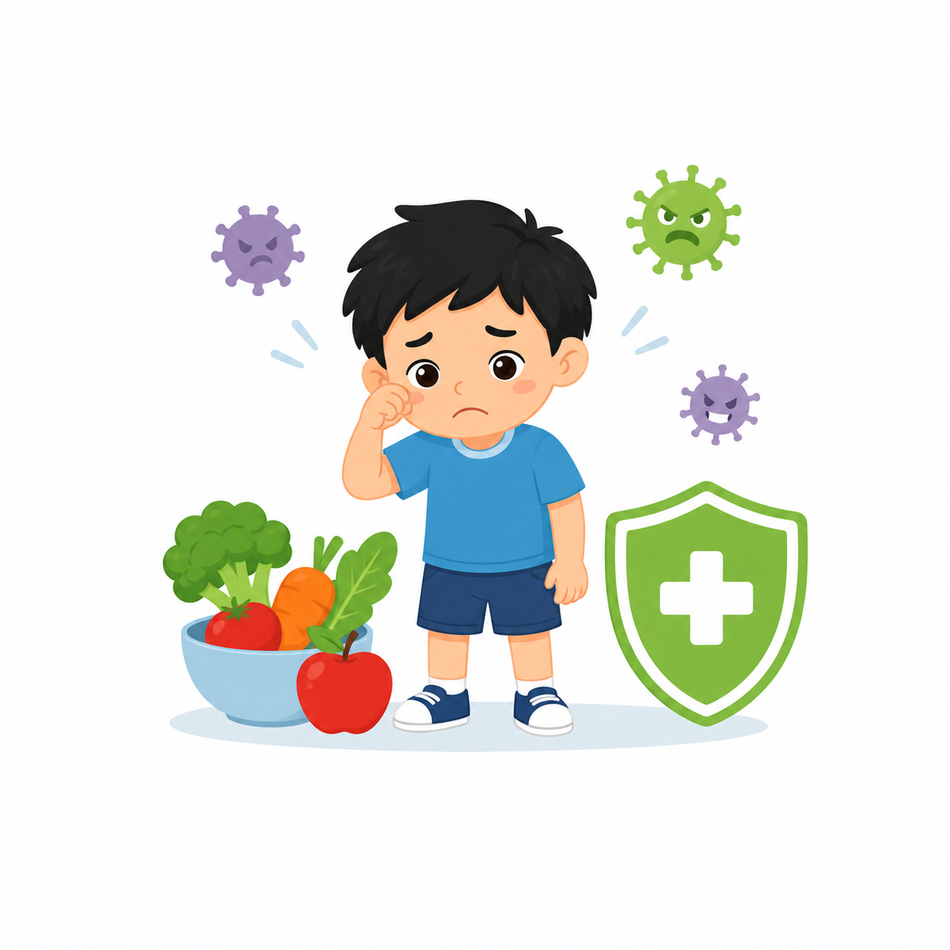
Kids getting frequent infections is a big worry for parents. Noone likes to see their child suffering every now and then. Let’s discuss the challenge and what we can change to avoid this situation. Challenges with kids getting frequent infections Frequent infections mean lower weight, growth & development. Infection means the body has to fight a pathogen (disease-causing microorganism). To fight, the body needs extra energy. More energy than a child would normally use. Another problem is that a small child doesn’t understand what is happening. They give up food every time they get infections and become very cranky. Now the body is using more energy to fight the pathogens, and the child refuses to eat. Hence, lower weight and growth & development is noticed. Infections take longer to heal There are two reasons for this. The child doesn’t drink adequate water Drinking adequate water is the first rule of any infection. Kids deny that. Especially in case the child is having throat trouble. Many parents complain that the child anyway doesn’t drink enough water, making them drink during an infection becomes a bigger challenge. Child Doesn’t sleep A child who is not feeling well and hungry will be cranky and will have difficulty sleeping. Sleep and rest also play a crucial role in the healing process from illness. Parents panic Parents, espectially first time parents, panic in this situation. A stressed person finds it more challenging to adhere to a child’s emotional needs at this hour of pain and hurt. Sometimes mothers start crying themselves. Kids are emotionally attached and can feel the panic. That makes them more clingy and cranky. Solutions for kids getting frequent infections a) The solution doesn’t start when the kids get sick. It starts when the child is born. Studies have shown that during pregnancy: Then the child has better immunity as compared to peers. Studies have also shown that if the child gets 6 months of exclusive breastfeeding and then continued upto 2 years with weaning, then immunity is much better. But in this scenario too, the mother needs to take a wholesome, healthy diet. b) It has been seen that if the child is overprotected by parents, always being cleaned, not playing in parks with sand, near trees, never letting clothes get dirty, not playing with other kids for fear of infections, then the child can have lower immunity as the immune system learns as they encounter pathogens. If we do not allow the child’s immune system to encounter minor pathogens, the immune system is not ready when bigger infections hit. c) If the weaning includes mostly milk. Yes, at weaning, we should start introducing a balanced diet. The form will start with liquid, then solid, but depending on only milk is not enough after 6 months of age. IF they do not eat well otherwise, they will not eat when they are sick. If the child is eating well otherwise, there is a high chance that the recovery will be faster. d) If we do not allow the child to be active due to the fear of falling. Most parents give mobiles/ tablets to toddlers to keep the child from creating a mess, falling or when the parents are working and they do not wish to be disturbed. Physical activity makes them use their energy, sleep well and on time, and makes them hungry enough to eat well. e) If the child develops a habit of drinking water regularly, there is a high chance they will drink better during infections. That helps a lot in early healing. When the child gets sick Final Word Talk to a dietitian, not after getting sick, generally. At least 4 sessions (quarterly placed) per year are important. Get qualified guidance.

Kids Getting Frequent Infections Read Post »

Child Nutrition, Gut-Health

Kids Gut Nutrition: Eat Smart Feel Better

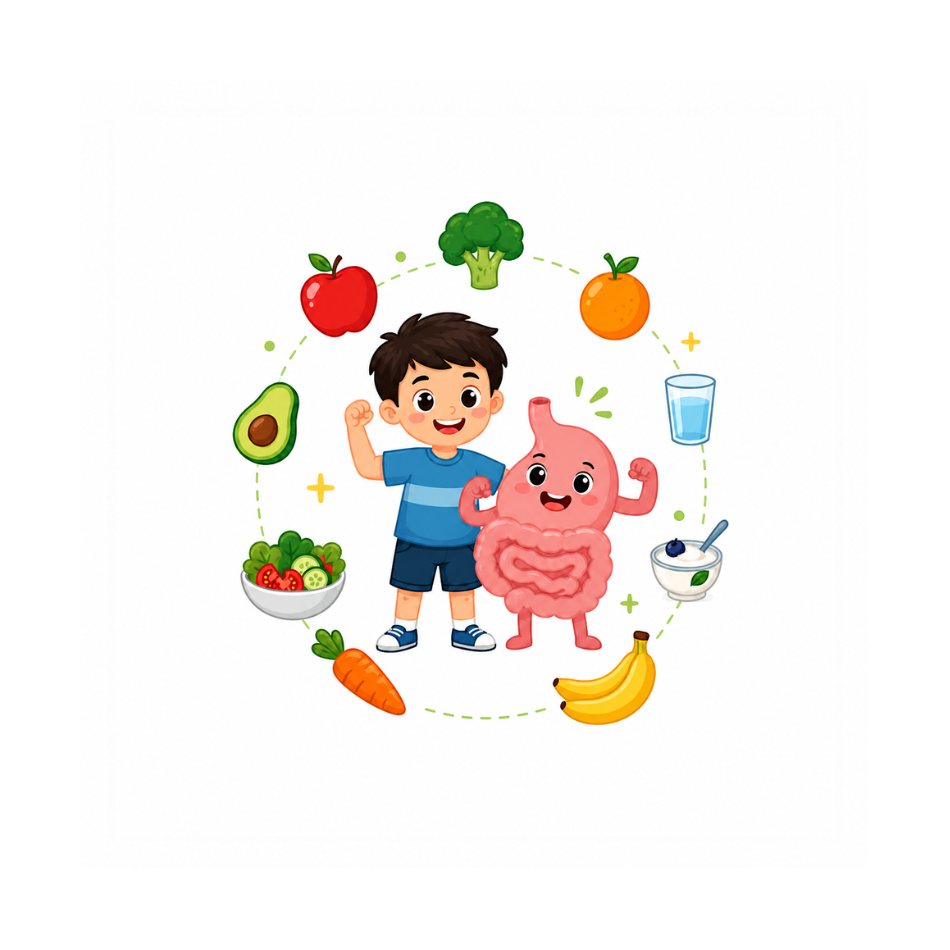
Kids face multiple gut-health issues these days. Kids’ gut nutrition to eat smart and feel better is a very important phenomenon. An important consideration is that working parents find it difficult to manage a good schedule for kids, because Kids are kids. I recently got feedback from a working mother that discipline has actually made things easier for her and her 2 daughters (Age 2 and 9). 1. Kids are not born with Earth Schedules Yes, that’s the most challenging part. Working parents had a good schedule before kids were born. But an infant hasn’t adjusted to the circadian rhythm yet. Few wonder kids might have a good schedule from the beginning, mostly they do not. Firstly, make sure new parents get a lot of help; if the family isn’t living together, then hire help. That’s important if both parents are working. Even during the maternity leave. It actually takes a village to raise a child. If the parents are not panicked, it is easier to form schedules. Try to fix the sleep schedule by the end of the first year. Why is that important for gut-health? Let’s take the reverse situation. If a child doesn’t have a proper sleep schedule, they will sleep late and get up late. Bowel movement, breakfast, all will be late. Gut microflora starts changing that way and affects gut health. This might/ might not show a huge impact till the child starts going to school. For example, if the child clears bowel by 11 am and eats breakfast by 10 am, once school starts, the school timings will interfere with this schedule. Now the child will refuse to eat breakfast, might not eat tiffin too, and release bowel movements after coming home from school. Early schools are 1-2 hours, but this time gap increases with age. I have a 10-year-old client who releases his bowels around 9-10 am on holidays and after 3 pm on school days. So basically, he is avoiding voiding his bowels in school and holding till he returns home. That also makes him feel bloated, hence not willing to eat breakfast/tiffin. This is not one case; it is very regular among urban kids. Hence, try to make the child eat early dinner and sleep by 8:30pm-9pm. Make sure this habit is created before the schooling starts. Talk to elders/ friends/ therapists for help if you find this challenging. 1 tip would be to create a sleeping environment at the required time, tell the child songs/ stories, and they will fall asleep. If it’s a habit, there will be fewer deviations; if not, then deviations will be frequent. 2. They need to drink water By hook or by crook, you have to make them a habit of drinking water. You know your child, do whatever it takes to build that habit. Saam, daam, dand, bhed, anything. And please, it has to be water, not juice, not cola, not soups, & no milk, and lassi also does not suffice for water, tender coconut water or lemon water is still ok, and please no tea/ coffee at all. 1 tip, you drink water well, if parents have the habit, kids copy. How much water has to be given? For children 11 kg to 20 kg, the daily water requirement is 100 ml/kg for the first 10 kg and 50 ml/kg for every kg above 10 kg. For children above 20 kg, the fluid requirement is calculated as 1500ml for 20 kg and 20 ml/kg for every kg above 20 kg, but more than 2400ml of fluid should not be administered at once. Kids need fiber too! The common notion is, let them eat whatever they want, at least tummy is full. They will learn to eat healthily once they grow up. I have a friend who is in their late 20’s and had a baby recently. She said, “Meri habits to kharaab hai diet mei, mei baby ki achi daalungi” Now, since she didn’t ask for advice, I couldn’t give. But I am pretty sure the kids would also learn to eat noodles, & not salads. Final Word One can discuss a lot of points to guide kids’ gut health and nutrition. A blog is too small for the same. Connect with dietitian Anuradha and regular counselling sessions can help you fix the gut-issues.

Kids Gut Nutrition: Eat Smart Feel Better Read Post »

Article, Child Nutrition

How to Build a Balanced Diet for Kids: Expert Advice on Kids Health & Nutrition

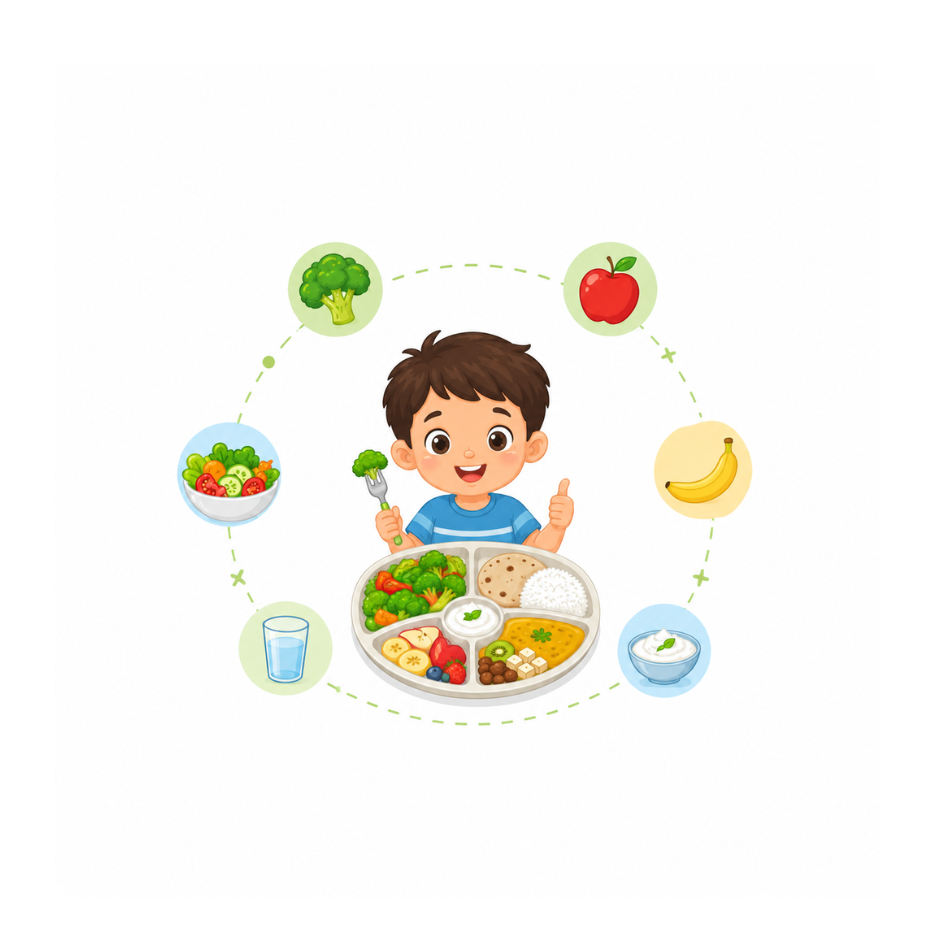
The cornerstone of raising a healthy child is proper diet. Children’s growth, immunological response, cognitive development, and general well-being all depend on eating a balanced diet. Our goal at Dietitian Anuradha’s clinic is to help you make the best dietary choices for your child by offering professional guidance on children’s health and nutrition. The nutritional requirements of children change according to their age, level of physical activity, and developmental stage, regardless of whether you are the parent of a toddler, preteen, or teenager. In this guide, we will explore how to build a balanced diet for kids and the importance of incorporating the right food groups for each age group. Why is a Balanced Diet Important for Kids? A balanced diet for kids is essential for: 1. Physical Growth: Nutrients like proteins, vitamins, and minerals are necessary to support the growing bodies of children. Proper nutrition fuels their growth and development, keeping them healthy and active. 2. Immune Function: The right mix of fruits, vegetables, and proteins strengthens the immune system, helping kids fight off infections and stay healthy. 3. Cognitive Development: Omega-3 fatty acids, proteins, and other vital nutrients are critical for brain function and memory development, helping children focus and perform well academically. 4. Long-term Health: Establishing healthy eating habits early sets the stage for lifelong wellness. Kids who grow up eating a variety of nutrient-dense foods are less likely to develop chronic conditions like obesity, diabetes, and heart disease later in life. Key Components of Kids Health & Nutrition To achieve a balanced diet for kids, it’s essential to include all the major food groups, each contributing specific nutrients that children need at different stages of growth. Below is an overview of the most important food components to include in your child’s daily meals: 1. Protein-Rich Foods · Importance: Proteins are the building blocks of the body, supporting muscle development, immune function, and tissue repair. · Sources: Include lean meats (chicken, turkey), fish, eggs, pulses (lentils, chickpeas), nuts, and dairy products. · Tip: For toddlers and young children, offer smaller, bite-sized portions of meat, and encourage plant-based proteins such as tofu or beans for variety. 2. Dairy Products (For Bone Health) · Importance: Dairy products are packed with calcium and vitamin D, essential for bone growth and maintaining strong teeth. · Sources: Milk, cheese, yogurt, and fortified dairy alternatives like almond milk. · Tip: Choose low-fat options if concerned about calorie intake, but ensure that your child is still getting the right amount of healthy fats. 3. Fruits & Vegetables (For Immunity & Growth) · Importance: Fruits and vegetables are rich in fiber, antioxidants, and essential vitamins (like vitamin A, C, and folate) that support healthy skin, eyes, and a strong immune system. · Sources: Include a variety of colorful fruits (apples, bananas, oranges, berries) and vegetables (carrots, spinach, broccoli, peas). · Tip: Encourage kids to eat the rainbow — the more colorful their plate, the more nutrients they are getting. Try to make vegetables fun by turning them into shapes or using dips. 4. Whole Grains & Fiber (For Digestive Health) · Importance: Whole grains provide complex carbohydrates that fuel energy needs, while fiber supports healthy digestion and gut health. · Sources: Brown rice, whole wheat pasta, oats, quinoa, and whole-grain roti, millets. · Tip: Swap refined grains with whole grains for added nutrients. Try making oatmeal or whole wheat pancakes for breakfast. 5. Healthy Fats (For Brain Development) · Importance: Healthy fats are essential for brain function, cell growth, and hormone regulation. Omega-3 fatty acids are especially important during the growing years. · Sources: Olive oil, nuts, seeds, avocados, and fatty fish like salmon or mackerel. · Tip: Include a small portion of nuts or seeds in snacks, and drizzle olive oil over cooked vegetables for added healthy fats. 6. Water (For Hydration) · Importance: Staying hydrated is critical for maintaining energy levels, aiding digestion, and supporting overall bodily functions. · Tip: Encourage your kids to drink water regularly throughout the day, especially during physical activities. Avoid sugary drinks that can lead to weight gain and dental problems. The Role of Parents in Kids Health & Nutrition As a parent, you play a vital role in shaping your child’s eating habits. Here are some tips for helping your child develop a healthy relationship with food: 1. Model Healthy Eating Habits Kids tend to mimic what they see, so if you adopt healthy eating habits, your child is likely to follow. Make balanced meals a family affair, and let your children see you making healthy food choices. 2. Involve Kids in Meal Planning Involving your child in meal planning and preparation helps them feel more in control of their food choices. Ask your child what fruits or vegetables they’d like to include in their lunch or dinner, and make them part of the cooking process. 3. Create a Positive Eating Environment Avoid turning mealtime into a battle. Encourage your child to try new foods without pressure, and refrain from using food as a reward or punishment. Positive reinforcement can help kids develop a healthy attitude toward food. 4. Be Patient During the Teenage Years Teenagers often rebel against nutritional guidelines, opting for junk food and skipping meals. However, patience is key. Encourage them to make healthy choices, but respect their growing need for independence. They may return to healthier habits as they mature. Food Group Breakdown for Kids by Age Understanding the balanced diet for kids requires recognizing the nutritional needs at different stages of their development. Here’s a general breakdown of food groups for children of various age groups: 1-3 Years (Toddlers): · Food Groups: 30g of cereals, 22g of pulses, 5 servings of dairy, and 1-2 servings of fruits and vegetables. · Nutrient Focus: Essential for development, especially in the areas of bone health, immune support, and energy for rapid growth. 4-6 Years (Young Children): · Food Groups: 40g of cereals, 30g of pulses, 5 servings of dairy, and 3 servings of fruits/vegetables.

How to Build a Balanced Diet for Kids: Expert Advice on Kids Health & Nutrition Read Post »

Scroll to Top

Quick Enquire