Control of Your Blood Sugar
Article, Diabetes, Thyroid, & Other Hormonal Issues

How to Take Control of Your Blood Sugar Naturally

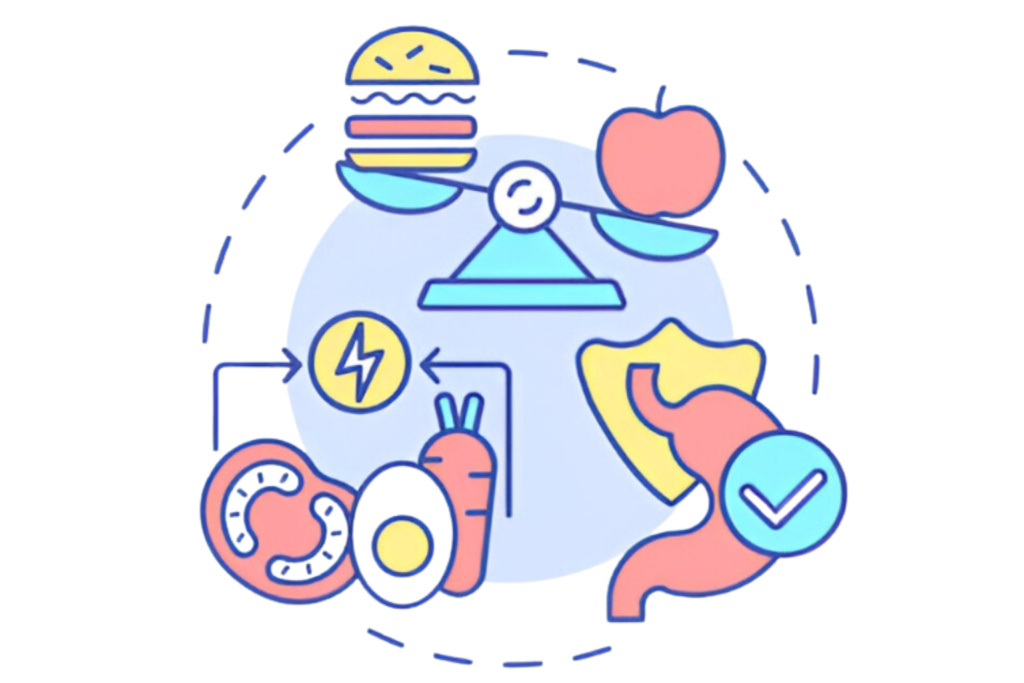
Blood sugar control doesn’t have to be difficult. Simple, sustainable lifestyle choices are some of the most effective adjustments you can make. A few minor changes to control blood sugar can have a significant effect on your general health, regardless of whether you have been recently diagnosed with pre-diabetes or are attempting to enhance your metabolic health. Let’s examine how to control blood sugar and some essential strategies for sustaining good health naturally and successfully, beginning right now. 1. Never Skip Meals and Snacks One of the most frequent errors people make is skipping meals in the hopes of controlling their blood sugar levels or losing weight. Missing meals can result in a sharp decrease in blood sugar levels, which is followed by a rise when you eat again, particularly if the meal is high in carbohydrates. Aim for consistent, well-balanced meals with 3 large meals (portionwise) and at least 3 small snacks in between; to keep blood sugar and energy levels steady. Protein, healthy fats, & fiber rich foods or complex carbohydrates work together to keep your blood sugar levels stable and your body fed. 2. Go for a Post-Meal Walk Walking for 15 to 20 minutes after meals is the habit I advise every client with blood sugar issues to adopt. This easy exercise reduces post-meal sugar rises by improving how well your body uses the glucose from food. Even a short, brisk stroll around your house or neighborhood can have a significant positive impact on your insulin sensitivity and digestion. See how much better you feel after trying it after lunch or dinner. 3. Stay Hydrated Throughout the Day Because the body creates more concentrated glucose in the bloodstream when dehydrated, blood sugar levels may rise. Aim for 8 to 10 glasses of water a day, or more if you live in a hot area or are an active person. Keep taking small sips throughout the day, gulping down altogether maybe challenging.  Steer clear of sugary beverages such as energy drinks, juices, and sodas. An alternative that is both refreshing and blood sugar-friendly is water that has been flavored with lemon, cucumber, or mint. 4. Choose Fiber-Rich foods and understand Carbohydrate counting with qualified dietitians Just as important as when you eat is what you consume. Fiber-rich foods aid in reducing the rate at which blood sugar is absorbed, avoiding sharp surges. Increase your intake of vegetables, legumes, nuts, sprouts, and whole grains (millets, dalia, multigrain atta for roti). These foods promote gut health, to control blood sugar, and prolong feelings of fullness. Limit refined carbohydrates, highly processed foods, and added sugars as much as you can. Even if we take low glycemic index foods, we might still see a spike in our sugar levels. It happens because maybe we are taking too much of low glycemic index foods at one go, which makes total carbohydrate counting high. Thus, it is important that we not only understand what to eat and what not to eat, but also portions that can be taken from each food group in all meals and snacks. 5. Prioritize Stress Management Although stress is sometimes disregarded in diabetes management, it has a significant impact on blood sugar regulation. The “stress hormone” cortisol is released by your body when you’re under stress, and it might raise your blood sugar levels. Daily routines that reduce cortisol and enhance mental and physical well-being include deep breathing, yoga, guided meditation, and even journaling. Maintaining your mental health is equally as vital as maintaining your physical health. Small Steps, Big Results Keep in mind that you don’t have to make all of these adjustments at once. Over time, even one new habit, like drinking more water or going for a walk after meals, can result in big gains. Blood sugar control is a process rather than a race. Consistency, mindfulness, and paying attention to your body are the most important factors. Additionally, engaging with a competent dietitian can make the process more individualized and easier if you need support along the way. Need Help with a Personalized Plan? I can help if you want to control blood sugar levels or sustainably manage your diabetes. I provide personalised food planning, one-on-one coaching, and lifestyle advice to assist your health journey. Connect now.

How to Take Control of Your Blood Sugar Naturally Read Post »

Article, Diabetes, Thyroid, & Other Hormonal Issues

How to Manage Diabetes: 5 Surprising Diet Tips You Haven’t Heard

India has the second-highest rate of diabetes in the world, but it’s not just about the statistics; it’s also about how we’re handling—or not handling—the disease. Many individuals overlook crucial treatment components, such as nutrition and lifestyle, even if medications are frequently viewed as the mainstay. The following article discusses important tips for managing diabetes. These are five unexpected but crucial dietary recommendations that the majority of diabetics are unaware of, but should be aware of. 1. Proportions, Not Carbs, Are the Enemy Despite what is commonly believed, diabetics are not prohibited from eating carbohydrates. They are, in fact, necessary, but only in the proper amounts. Risky blood sugar rises (hyperglycemia) or decreases (hypoglycemia) might result from a poorly balanced carbohydrate intake. The secret? See a clinical dietitian so they can customize your carbohydrate consumption for you. Managing carbohydrates well is the aim, not getting rid of them. The concept that works favorably is Carbohydrate counting. In this method, the amount of carbohydrate given in each meal is controlled. This has proved to be a much more efficient method of managing blood glucose levels, as compared to choosing low glycemic index foods.     2. Protein Protects Against Diabetes and Isn’t Just for Bodybuilders You lose more protein when you have diabetes because it puts your body in a catabolic condition. The majority of Indians currently eat less protein than is advised. If you have diabetes, you probably began with a deficit, which hastens the course of the illness. To promote tissue regeneration and metabolic balance, it is essential to include high-quality protein sources such as dairy foods, pulses and lentils, lean meats & eggs. 3. Time Is Just as Important as What You Eat Even if you are eating the healthiest meals possible, your blood sugar will still be elevated if the timing is incorrect. Long intervals between meals or skipping meals can cause your blood sugar levels to become unstable. Rather, strive for regular, little meals that are evenly spaced out throughout the day. Maintain a schedule and refrain from binge eating; for diabetics, fasting and feasting are serious warning signs. 4. Watch Out Online: Not All Dietary Advice Is Equal Online, “diabetic diet” advice abounds, but a lot of it might be deceptive. The improper advice, such as extreme protein deficits or unbalanced nutrition, can do more harm than good, and this is true of both fad diets and “certified” influencers. Always seek advice from a licensed clinical dietitian, not simply someone who completed a weekend course, who has a Bachelor’s or Master’s degree in nutrition. 5. Prevention is Power—Early Damage Is Invisible When you are diagnosed, your pancreas may still be functioning at 60 to 95 percent, but it may quickly drop if you don’t make the right dietary and lifestyle choices. Unfortunately, until the damage is severe, it is not immediately apparent. Therefore, it’s imperative to respond quickly. Nutrition and exercise are your best tools to stop the progression and prevent complications; medication won’t keep you safe. Final Thoughts Ignoring diabetes control results in long-term misery rather than death, despite the brave statement that “we have to die anyway, might as well enjoy life.” Your quality of life will be determined by the decisions you make now, even though modern science can prolong your life for decades. Are you prepared to take charge of your health? Get professional advice from reputable dietitians that is suited to your needs. For individualized plans that will help you thrive rather than merely survive, get in touch with dietitian Anuradha.

How to Manage Diabetes: 5 Surprising Diet Tips You Haven’t Heard Read Post »

Article, Kidney Diseases

How to Balance Protein Intake for Kidney Health

The kidneys are two bean-shaped organs about the size of a fist. They are situated right below the rib cage on each side of your spine. Every minute, healthy kidneys filter almost half a cup of blood, eliminating waste and excess water to create urine. Urine passes from the kidneys to the bladder via two ureters, one on each side. It is stored in the bladder. Your kidneys, ureters, and bladder are all part of your urinary tract. Balance protein intake for kidney health promotes its functioning. The kidneys are powerful chemical factories that perform the following functions: The kidneys are vital organs that function as powerful chemical factories in the body. They perform several essential tasks, including: Maintaining kidney health is crucial for overall well-being, as these organs work tirelessly to stabilize the body’s internal environment. How to Intake Protein Wisely Final Thoughts Balancing protein intake is essential for protecting kidney health. While protein is necessary for bodily functions, excess consumption, especially from animal sources, can overwork the kidneys. By choosing high-quality, moderate-protein sources, incorporating plant-based options, and monitoring portion sizes, you can support your kidney function while maintaining overall well-being. For personalized guidance, always consult a doctor or nutritionist to determine the right protein intake based on your specific kidney health needs. Consult Dietitian Anuradha to balance your life, be healthy and happy.

How to Balance Protein Intake for Kidney Health Read Post »

Article, Cancer Nutrition

Essential Cancer Diet Plan: Foods to Avoid and Foods to Include

A cancer diet plan plays a vital role in supporting treatment and recovery. Proper  health diet and nutrition can help manage symptoms, boost the immune system, and improve overall quality of life during cancer treatment. Additionally, certain foods are linked to a reduced risk of cancer and can be part of an effective prevention strategy. Here’s a guide to meal plans for cancer patients and foods to eat to prevent cancer: Foods to Avoid in a Cancer Diet Plan: 1. Processed Meats & Grilled Foods Processed meats like bacon, sausages, and hot dogs contain nitrates, which, when metabolized, form carcinogenic compounds. Similarly, grilling or smoking meats at high temperatures can create harmful chemicals.Recommendation: Choose fresh, lean proteins like chicken, fish, or plant-based options. Cook at lower temperatures to reduce the formation of carcinogens. 2. Excessive Red Meat While red meat can be a source of essential nutrients, consuming it in large amounts, especially when cooked at high heat, may increase cancer risk.Recommendation: Limit red meat intake and opt for plant-based proteins such as beans, lentils, and tofu. 3. Plastic Food Storage Storing food in plastic containers can release harmful chemicals like BPA, which are linked to cancer development.Recommendation: Use glass, stainless steel, or ceramic containers for food storage to minimize exposure to these chemicals. 4. Unpasteurized Dairy Products and Juices Unpasteurized products can harbor harmful bacteria, posing a risk to patients with weakened immune systems. Recommendation: Unpasteurized milk, juices, and dairy products. 5. Raw and Undercooked Meats, Tofu, and Eggs These can carry harmful bacteria, especially dangerous during chemotherapy when the immune system is compromised.Recommendation: Raw meats, raw tofu, undercooked eggs, and egg-containing foods like cookie dough. Foods to Include in a Cancer Diet Plan (Not during chemotherapy~ take personalised advice): 1. Green Tea Rich in antioxidants, particularly catechins, green tea helps fight oxidative stress and may reduce the risk of cancer. 2. Turmeric (Curcumin) The active compound in turmeric, curcumin, has anti-inflammatory and antioxidant properties that can help prevent the growth of cancer cells. 3. Berries & Grapes (Resveratrol) Resveratrol, found in grapes and berries, is a powerful antioxidant with cancer-protective effects, helping to shield cells from oxidative damage.  4. Fruits and Vegetables A diet rich in fruits and vegetables provides essential vitamins, minerals, and antioxidants. These nutrients help support the immune system and the body’s ability to heal during cancer treatment. 5. Cooked Vegetable Sprouts Sprouts should be thoroughly cooked before consumption.Eat: Cooked vegetable sprouts, like cooked bean sprouts Guidelines for Creating a Meal Plan for Cancer Patients: 1. Ensure Nutrient-Dense Meals Many cancer patients struggle with appetite, nausea, or swallowing issues. Offering small, frequent meals that are nutrient-dense can help prevent malnutrition. Make meals easy to digest and palatable. 2. Avoid Spicy Foods Cancer treatments can make it hard to tolerate spicy foods. Stick to mild seasonings like herbs, garlic, and lemon to make meals more enjoyable. 3. Limit Refined Carbohydrates & Sugars Refined carbohydrates and sugars can contribute to inflammation. Focus on whole grains, fruits, and natural sweeteners. 4. Hydration is Key Adequate hydration is crucial for cancer patients, especially those undergoing chemotherapy or radiation. Offer fluids like water, clear soups, and hydrating fruits to maintain hydration. 5. Use Supplements When Needed If a patient has difficulty eating enough, nutritional supplements may be required. Always consult a qualified dietitian before introducing any supplements. Disclaimer: There are various types of cancer, and treatment options, including medical nutrition therapy, vary based on individual diagnosis and medical needs. Always consult a qualified Dietitian for medical nutrition therapy for cancer. Conclusion: A well-balanced cancer diet plan can enhance treatment effectiveness and improve overall well-being. By incorporating foods to eat to prevent cancer, like green tea, turmeric, and a variety of fruits and vegetables, patients can help support their health during and after treatment. Meal plans for cancer patients should focus on nutrient-dense, easily digestible foods to prevent malnutrition and promote healing. For personalized nutrition advice and meal planning, visit Dietitian Anuradha.

Essential Cancer Diet Plan: Foods to Avoid and Foods to Include Read Post »

Article, Child Nutrition

How to Build a Balanced Diet for Kids: Expert Advice on Kids Health & Nutrition

The cornerstone of raising a healthy child is proper diet. Children’s growth, immunological response, cognitive development, and general well-being all depend on eating a balanced diet. Our goal at Dietitian Anuradha’s clinic is to help you make the best dietary choices for your child by offering professional guidance on children’s health and nutrition. The nutritional requirements of children change according to their age, level of physical activity, and developmental stage, regardless of whether you are the parent of a toddler, preteen, or teenager. In this guide, we will explore how to build a balanced diet for kids and the importance of incorporating the right food groups for each age group. Why is a Balanced Diet Important for Kids? A balanced diet for kids is essential for: 1. Physical Growth: Nutrients like proteins, vitamins, and minerals are necessary to support the growing bodies of children. Proper nutrition fuels their growth and development, keeping them healthy and active. 2. Immune Function: The right mix of fruits, vegetables, and proteins strengthens the immune system, helping kids fight off infections and stay healthy. 3. Cognitive Development: Omega-3 fatty acids, proteins, and other vital nutrients are critical for brain function and memory development, helping children focus and perform well academically. 4. Long-term Health: Establishing healthy eating habits early sets the stage for lifelong wellness. Kids who grow up eating a variety of nutrient-dense foods are less likely to develop chronic conditions like obesity, diabetes, and heart disease later in life. Key Components of Kids Health & Nutrition To achieve a balanced diet for kids, it’s essential to include all the major food groups, each contributing specific nutrients that children need at different stages of growth. Below is an overview of the most important food components to include in your child’s daily meals: 1. Protein-Rich Foods · Importance: Proteins are the building blocks of the body, supporting muscle development, immune function, and tissue repair. · Sources: Include lean meats (chicken, turkey), fish, eggs, pulses (lentils, chickpeas), nuts, and dairy products. · Tip: For toddlers and young children, offer smaller, bite-sized portions of meat, and encourage plant-based proteins such as tofu or beans for variety. 2. Dairy Products (For Bone Health) · Importance: Dairy products are packed with calcium and vitamin D, essential for bone growth and maintaining strong teeth. · Sources: Milk, cheese, yogurt, and fortified dairy alternatives like almond milk. · Tip: Choose low-fat options if concerned about calorie intake, but ensure that your child is still getting the right amount of healthy fats. 3. Fruits & Vegetables (For Immunity & Growth) · Importance: Fruits and vegetables are rich in fiber, antioxidants, and essential vitamins (like vitamin A, C, and folate) that support healthy skin, eyes, and a strong immune system. · Sources: Include a variety of colorful fruits (apples, bananas, oranges, berries) and vegetables (carrots, spinach, broccoli, peas). · Tip: Encourage kids to eat the rainbow — the more colorful their plate, the more nutrients they are getting. Try to make vegetables fun by turning them into shapes or using dips. 4. Whole Grains & Fiber (For Digestive Health) · Importance: Whole grains provide complex carbohydrates that fuel energy needs, while fiber supports healthy digestion and gut health. · Sources: Brown rice, whole wheat pasta, oats, quinoa, and whole-grain roti, millets. · Tip: Swap refined grains with whole grains for added nutrients. Try making oatmeal or whole wheat pancakes for breakfast. 5. Healthy Fats (For Brain Development) · Importance: Healthy fats are essential for brain function, cell growth, and hormone regulation. Omega-3 fatty acids are especially important during the growing years. · Sources: Olive oil, nuts, seeds, avocados, and fatty fish like salmon or mackerel. · Tip: Include a small portion of nuts or seeds in snacks, and drizzle olive oil over cooked vegetables for added healthy fats. 6. Water (For Hydration) · Importance: Staying hydrated is critical for maintaining energy levels, aiding digestion, and supporting overall bodily functions. · Tip: Encourage your kids to drink water regularly throughout the day, especially during physical activities. Avoid sugary drinks that can lead to weight gain and dental problems. The Role of Parents in Kids Health & Nutrition As a parent, you play a vital role in shaping your child’s eating habits. Here are some tips for helping your child develop a healthy relationship with food: 1. Model Healthy Eating Habits Kids tend to mimic what they see, so if you adopt healthy eating habits, your child is likely to follow. Make balanced meals a family affair, and let your children see you making healthy food choices. 2. Involve Kids in Meal Planning Involving your child in meal planning and preparation helps them feel more in control of their food choices. Ask your child what fruits or vegetables they’d like to include in their lunch or dinner, and make them part of the cooking process. 3. Create a Positive Eating Environment Avoid turning mealtime into a battle. Encourage your child to try new foods without pressure, and refrain from using food as a reward or punishment. Positive reinforcement can help kids develop a healthy attitude toward food. 4. Be Patient During the Teenage Years Teenagers often rebel against nutritional guidelines, opting for junk food and skipping meals. However, patience is key. Encourage them to make healthy choices, but respect their growing need for independence. They may return to healthier habits as they mature. Food Group Breakdown for Kids by Age Understanding the balanced diet for kids requires recognizing the nutritional needs at different stages of their development. Here’s a general breakdown of food groups for children of various age groups: 1-3 Years (Toddlers): · Food Groups: 30g of cereals, 22g of pulses, 5 servings of dairy, and 1-2 servings of fruits and vegetables. · Nutrient Focus: Essential for development, especially in the areas of bone health, immune support, and energy for rapid growth. 4-6 Years (Young Children): · Food Groups: 40g of cereals, 30g of pulses, 5 servings of dairy, and 3 servings of fruits/vegetables.

How to Build a Balanced Diet for Kids: Expert Advice on Kids Health & Nutrition Read Post »

Scroll to Top

Quick Enquire