
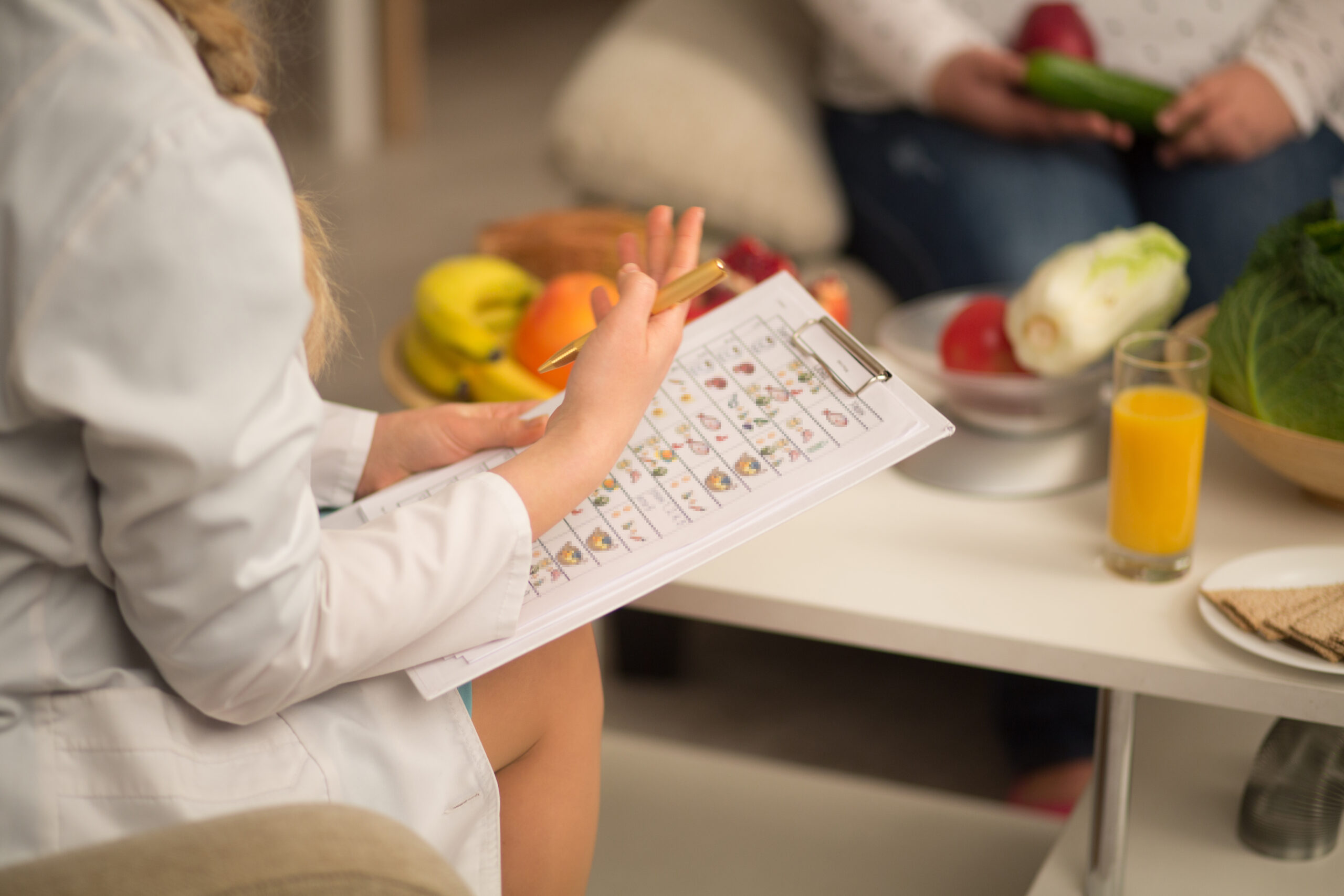
If you have IBS, you have probably been handed a food list and told to simply avoid certain items. That rarely works, because IBS is not just about food. In 14 years of nutrition therapy, the pattern I see in almost every IBS patient is a whole lifestyle that has quietly gone off balance. At Dietitian Anuradha, we treat the routine, the sleep, the stress and the food together, because that is what actually calms the gut.
The Real Pattern Behind Most IBS Cases
When I take a detailed history of IBS patients, one or more of these traits show up almost every time:
- Late nights: They sleep late or work night shifts.
- No morning bowel movement: Usually because they are not awake in line with the body’s natural clock.
- Erratic meal timings: Breakfast is often skipped entirely.
- Unbalanced meals: Heavy on simple carbs, fat, spices and meat (especially red and processed meat), with barely any fibre.
- Regular junk food: Ultra-processed, fried and street food are regular treats.
- Very high salt intake.
- Sugary drinks, caffeine and alcohol are common.
- Almost no exercise.
- High stress: Work-life imbalance drives the whole messy schedule.
- FOMO: Binge-watching through the night, dragging through sleepless days, then crashing at the weekend.
Read that list again. The triggers are not only foods. They are poor lifestyle, broken routines, and a lack of sleep and movement. That is exactly why a calorie chart alone cannot heal IBS.
The Three-Phase Healing Approach
Once a doctor has medically diagnosed IBS, the right next step is to work with a dietitian using an elimination method, done in phases.
Phase 1: Active or Healing Phase
- The diet is soft, but still balanced and high in calories.
- The gut can settle without the patient losing unnecessary weight or muscle.
- High FODMAP foods (the ones that ferment and irritate a sensitive gut) are excluded.
- Usually lasts three to four weeks.
Phase 2: Transition Phase
- Certain foods are slowly reintroduced.
- Known triggers like lactose, gluten, spices and fried foods stay off the chart for now.
Phase 3: Maintenance Phase
- Regular follow-ups track how each reintroduced food interacts with the gut.
- More foods are added over time as tolerance builds.
- The goal is a balanced diet with the fewest possible restrictions.
Done this way, it eases gut symptoms while protecting against weight loss, muscle loss and deficiencies.
Why Lifestyle Has to Change Alongside Diet
Diet and medicines alone do not do enough. These have to be worked on at the same time as the food:
- Fixing sleep timing
- Easing stress
- Restoring a morning routine
- Adding gentle movement
These are not optional extras. They are part of the treatment itself.
Best and Worst Cooking Methods for IBS
How you cook matters as much as what you cook.
- Most gut-friendly: Steaming, boiling, poaching, pressure cooking, braising, and light sauteing or stir-frying.
- Moderately acceptable: Grilling, roasting and baking.
- Keep to a minimum: Deep frying, shallow frying, charbroiling, charring, barbecuing and smoking. Heavy fat and charring tend to aggravate a sensitive gut.
What to Include in an IBS Diet
- Omega-3 fatty acids and Vitamin D
- Fibre, used judiciously and only on your dietitian’s advice (the wrong type or amount can backfire)
- Low-fat dairy
- Nuts and dried fruits
- Low FODMAP fruits and vegetables
- Mild herbs and seasonings
- Adequate protein and balanced nutrients overall
- The right probiotics, prebiotics and postbiotics, chosen specifically for the patient
What to Restrict
- Lactose
- Gluten-rich foods
- Heavily fried foods
- Spicy foods
- High FODMAP foods
But here is the crucial part:
- Simply avoiding every trigger food is not the solution.
- If the diet becomes nothing but restrictions, a person may stop the diarrhoea but slide into malnourishment.
- The goal is always a balanced diet with the fewest restrictions possible, which is why a dietitian’s guidance is essential at every step.
For structured support, read more about our clinical nutrition approach.
Conclusion
- A calorie chart will never fix your IBS, because IBS is a whole-lifestyle condition, not just a food problem.
- Real healing comes from a phased, balanced diet, the right cooking methods, careful use of fibre and probiotics, and attention to sleep, stress and movement.
- Every gut is different, so the plan has to be personal.
For a plan built around your triggers, your routine and your kitchen, book a consultation with Dietitian Anuradha.
This article is for educational purposes and does not replace personalised medical advice.
