
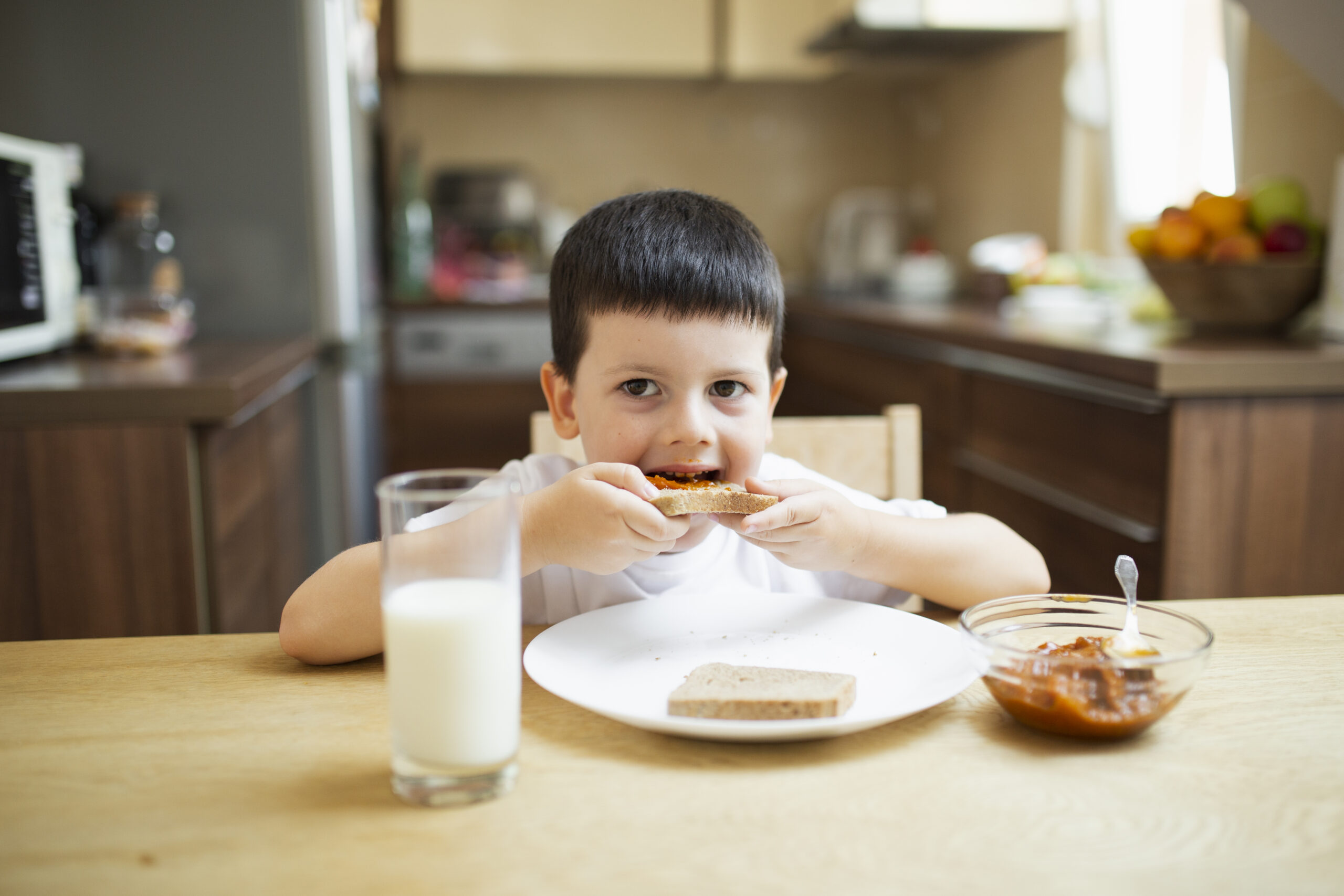
Childhood obesity in India is no longer a problem that begins with rebellious teenagers. It is starting as early as five years of age. At Dietitian Anuradha, these are the exact conversations I have with families every week, so let us go through them one by one.
- India now ranks second in the world for childhood obesity.
- Around 41 million children are overweight or obese.
- Nearly 14.9 million of them are aged between 5 and 9.
The Real Causes of Childhood Obesity
1. Pampering
- The number one cause I see, whether by parents, grandparents or the wider family.
- Everyone says: let the child eat whatever it wants now, healthy eating will come with age.
- The truth is the opposite. If a child is not used to healthy food from the start, they rarely learn it later in life.
- Once picky eating sets in, it often takes counselling to undo.
- Indian families almost never say no when a child asks for food. Gol-matol bachcha acha lagta hai na.
2. Elective C-sections
- A cesarean is major surgery with real side effects.
- Research repeatedly links it to a higher risk of pre-adolescent obesity.
- Surgery makes sense when there is a clinical need, but choosing it electively is not the easy option it seems.
- Prenatal yoga, a healthy pregnancy diet and an epidural during labour are gentler routes.
3. Low Birth Weight
- Babies born under 2.5 kg are more likely to develop early obesity.
- This happens largely through catch-up growth, where rapid weight gain in infancy programs the metabolism to store fat.
- It also raises long-term heart and metabolic risk.
Hidden Hunger and the Baby Fat Myth
Nutrient deficiencies (hidden hunger)
- Common gaps: protein, Vitamin D, iron, zinc, magnesium and Vitamins A, C and E.
- Do not rush for supplements. These gaps appear because picky eaters fill up on empty calories.
- Hidden hunger drives more cravings, which drives more overeating.
- The fix is better food, not more pills.
The baby fat myth
- Baby fat should go once the child turns one and starts walking, because that activity is followed by rapid growth.
- If a preschool child is still noticeably chubby, that is not baby fat anymore. That is childhood obesity, and it deserves attention now.
How Screens Replaced Playtime
- Urban India hands toddlers a phone and middle-schoolers a laptop, and the screen quietly swallows their playtime.
- Parents often say there is no park nearby. I did not have one either as a child.
- We played inside with a ball and a skipping rope, table tennis on the dining table, tennis in the sitting room, jumping up and down the stairs, and cycling in the parking area in the evening.
- If you simply do not give the screen, children will always find a way to move.
There are more causes worth discussing, but those are best explored in a session specific to your child.
Simple Fixes Busy Parents Can Actually Follow
- Take help: If both parents work, you cannot manage this alone. Hire cleaning and cooking help, and lean on grandparents who are usually delighted to spend time with the kids. Use that reclaimed time for your child.
- Be the right example: Children copy the environment you set far more than the instructions you give.
- Make an ultra-processed rule: No one gets to gift your child junk, not even grandparents.
- Cut screens: Even if it means a messier home and the odd scraped knee. Give children props and space that invite them to move.
- Go to the park: If there is one nearby, make the time to take them.
- Introduce balanced meals early: If you eat well, they will follow.
- Two new foods a week: Expect some foods to be rejected at first. Let them try no more than two new foods a week so each taste becomes familiar.
- Keep textures similar: Many children dislike mixed textures. A soft rice pulav should not carry crunchy vegetables, while chapati pairs fine with a vegetable dish.
Conclusion
- Every family is unique and every child is different, so childhood obesity is best tackled with a plan made for your situation.
- The causes may be surprising, but the fixes are within reach of even the busiest parents.
- For deeper guidance, read more about our clinical nutrition approach for children.
- The World Health Organization also stresses that early habits around food and activity shape a child’s long-term weight.
For a plan built around your child’s habits and challenges, book a personalised consultation with Dietitian Anuradha.
This article is for educational purposes and does not replace personalised medical advice.
