
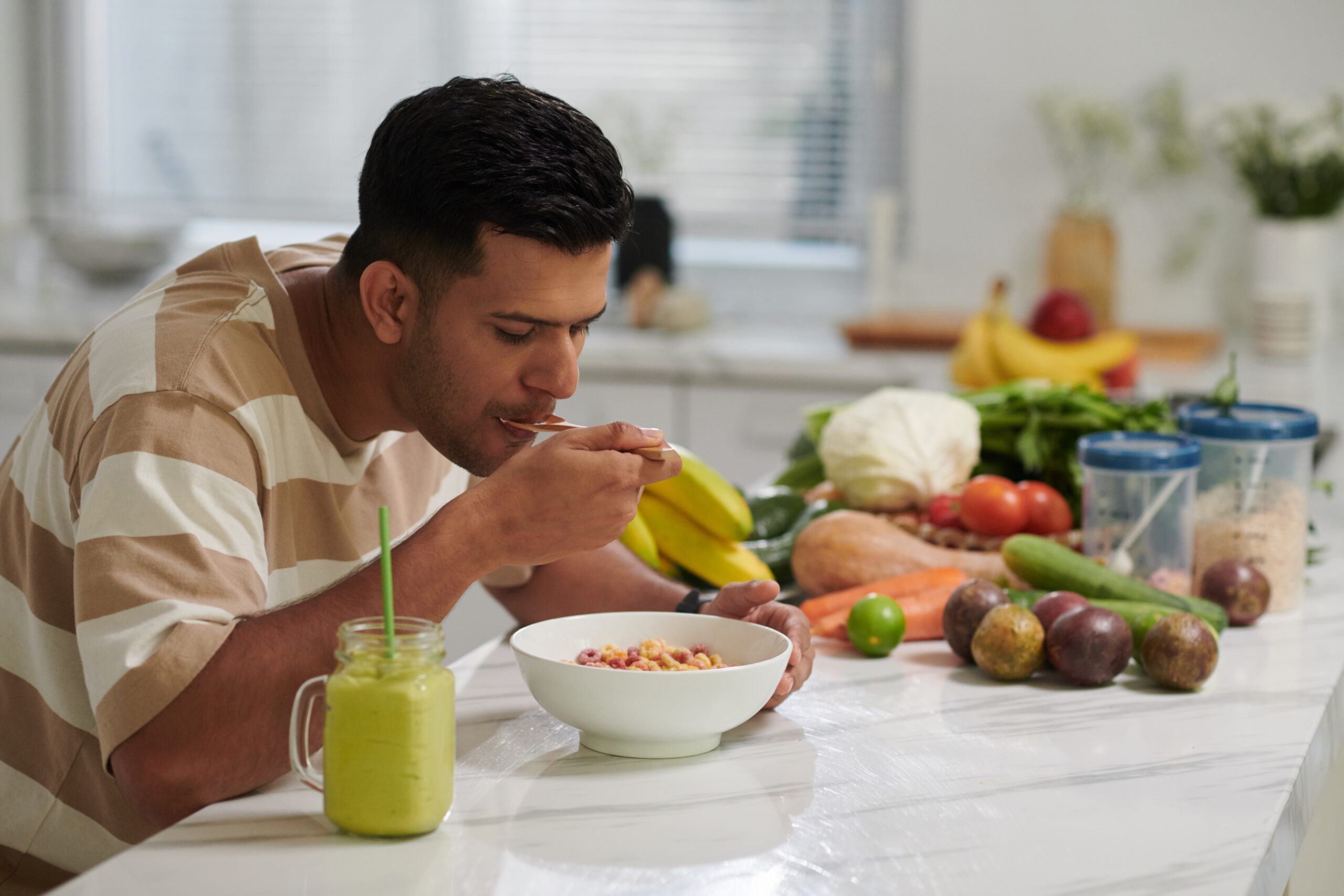
A good type 1 diabetes diet for kids does not mean boring plates. Think dal-chawal with a smart twist. As a Kolkata-based dietitian, I have helped many families stabilise blood sugar using everyday Indian foods, not expensive imported ones. Before we get to the food, it helps to understand one thing clearly. Type 1 diabetes is fully insulin-dependent, which means the child’s pancreas cannot make insulin at all. At Dietitian Anuradha, we start every family here, because once you understand the why, the diet finally makes sense.
What Type 1 Diabetes Actually Means
When the body works normally, the brain is in charge of insulin. When cells need energy, they inform the brain, and the brain signals food or storage to release glucose, and the pancreas to release insulin. Insulin is like a key. When glucose reaches the door of a cell, the insulin key opens the door and lets the glucose in.
In a child with type 1 diabetes, the pancreas does not make or send insulin, so the cell door never opens and glucose cannot get in to give energy. The cell keeps signalling the brain that it is starving. The brain, unaware that insulin is missing, keeps sending more glucose, first from food, then from storage, then by breaking down protein, and finally by breaking down fat. When fat is converted to glucose in this uncontrolled way, it leads to ketoacidosis, the classic and dangerous sign of type 1 diabetes. Since the real problem was the missing insulin, giving it back through an injection, or the newer inhaled forms your endocrinologist may discuss, gets the whole energy system working properly again.
Why a Type 1 Diabetes Diet for Kids Is So Important
Once the pancreas stops making insulin, control of it is no longer with the child’s brain, it shifts to the endocrinologist, who plans doses based on the child’s height, weight and age. That doctor is very smart, but the insulin decision-maker is now external to the child’s body. In a person with a working pancreas, insulin adjusts automatically every time they eat, storing excess energy in the liver and fat tissue in a smooth cycle. In a child with type 1 diabetes that cycle is broken, so the diet has to be planned around the insulin doses the doctor sets. Assuming insulin means the child can now eat anything is a serious mistake, because it causes frequent sugar swings and can trigger ketoacidosis.
Is Type 1 Diabetes Scary?
Unmanaged type 1 diabetes is genuinely frightening and can be life-threatening. But well-managed type 1 diabetes, with diet, medical monitoring and a good lifestyle, gives the child a normal childhood and a healthy, long life. In OPD I am often asked, will my daughter live through this, can she marry, have children, lead a normal life. I know these questions carry the weight of Indian social bias, but the answer is clear. Both sons and daughters with type 1 diabetes can marry and live a healthy married life. The requirements are regular medical monitoring, diet management and a good lifestyle, which honestly, in a time when chronic disease is rising everywhere, every person needs anyway.
What a Type 1 Diabetic Diet Really Is
The key idea to grasp is that every food from plant or dairy sources contains carbohydrate, some more, some less, and carbohydrate directly raises blood sugar. This is because when the brain calls for glucose, readily available carbohydrate is the body’s first and fastest choice, and as long as it is available, the body uses nothing else. Years ago, the glycemic index system was built on this, ranking foods by how fast they raise blood sugar, and people were told to avoid high-GI foods, limit moderate ones and choose low ones. Yet this alone still did not control blood sugar. Why? Because even if you eat only low-GI foods, taking too many servings together still pushes the total carbohydrate of the meal up, and sugar rises.
Carbohydrate Counting Is the Real Tool
Since all dairy and plant foods carry carbohydrate, the practical answer is to count the carbohydrate in each meal. Each food group averages a different amount. Dairy has about 12 grams per serving, cereal around 21 to 22 grams, pulses and legumes about 15 grams, and fruits vary. A qualified dietitian can teach you serving sizes for your child and how to do carbohydrate counting, so you can balance glucose against insulin doses with confidence.
Diet and Lifestyle Rules That Matter
Beyond counting carbs, a few things must be in place. Lean towards fibre-rich complex carbohydrates and keep simple carbs minimal, which is the golden rule of diabetes meal planning. Sweets and ice creams are hard to explain to a child, but a good dietitian can help you fit them in occasionally rather than banning them outright. Balanced protein is essential, because the disease is catabolic and the child needs protein for repair, function and, above all, growth. These children tend to lose weight, but loading up on fat is not the fix. Fat should be given in a balanced way alongside adequate protein. Vitamins and minerals must come from greens, nuts and seeds, fruits, salads, colourful vegetables, whole grains, legumes, pulses, dairy and Vitamin D from sunlight, and every one of these is essential. Keep water intake adequate so the carbohydrate cycles run properly, make exercise and games non-negotiable, and protect sleep, because rested children study better than exhausted ones. And no social media until 16, the government is already planning a ban, fingers crossed.
Conclusion
Type 1 diabetes can absolutely be managed into a long, healthy life, so take proper help, because it is a medical condition. Please stay away from quackery promising to reverse it. It cannot be reversed, one organ has stopped working, and no miracle cure changes that. For families managing sugar across the household, our post on controlling blood sugar naturally pairs well with this, and you can read more about our child nutrition approach too. Connect with Dietitian Anuradha for a detailed, personalised plan. We monitor your child together and learn the concepts over a few months, and then you are set for life. This article is for educational purposes and does not replace personalised medical advice.
