
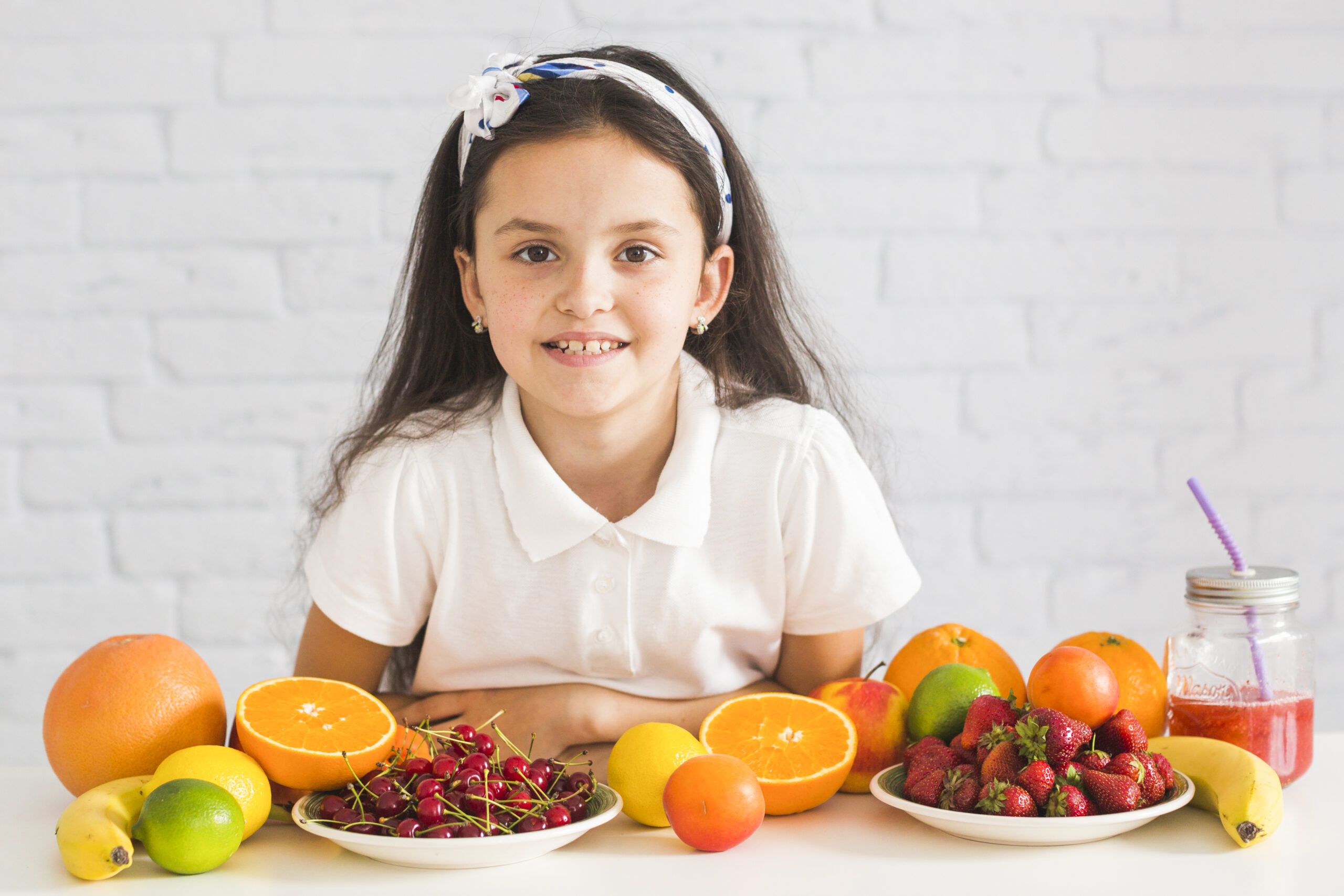
Parents face challenges in feeding kids. General myth is Picky eating is a common problem in today’s world. But that’s not true.
Picky eating has been challenging in previous generations too. Haven’t you faced old age people in your family who are stubborn on how they want their meal to be? The challenge here arises that now there are less helicopter moms who can keep running around the house to feed kids. They have careers and they have less time to deal with the tantrums.
Oh no, I am not saying you give up on your career. Absolutely not. A working mom will set a good example for their kids and kids also get to become more self-reliant. That is a beautiful form of parenting.
Kids One gets a lot of advice from family & friends, they see a lot of information but most solutions seem to be increasing a mother’s work. Let’s discuss a few pointers that might actually help for toddlers and younger kids.
What does an infant do with any object given to it? Takes in the mouth.
- That’s the natural instinct the child is born with. When we react to this, and stop the baby from doing this to avoid a mess, the child starts becoming selective in what it wants to put in its mouth.
Of course, we can’t allow the child to consume that is unhealthy, but if it’s a clean toy, or cloth, or something which it cannot choke on, or a dirty object let them chew. Even if we are removing any object, try doing it with methods which are not instinctive reactions. Tough job, but the infant is learning from your reactions, so we must practice to control them.
Every person is born with some Taste Preferences
- Some kids will easily accept most tastes, but some babies will not. Most of the time, rejection is visual rather than taste, because everything on earth is new to the baby.
Research has shown if a mom has happily eaten a balanced diet during her pregnancy and accepted most tastes and textures there is a high chance the child will also be acceptable to most.
The Child is observing the Environment
- After birth the child is also observing the environment, if one or more family members is choosy, the child is bound to be choosy. We have to create an environment where everyone accepts most food items.
If you make excuses, the child will too. If you say, “Mujhe to doctor ne mana kiya hai”, the child will use the same excuse on your face. Although you know it’s a lie, it’s so cute that you smile and let it go. But as the child grows they learn what excuses will work.
They will also learn Tantrums
- Let’s not encourage that. If a child is throwing a tantrum for something, make sure you do not fall in. Tell them, “we will talk when your tantrum is over. It’s ok to show your emotions, and I will let you cry, but when you feel better we will talk about this.”
When you feel the child is more rested, tell them why they are not allowed a certain food and why you want them to eat a healthy meal.
Praise everyday food
- We tend to praise festive/ restaurant foods but not regular food. Hence, the child learns that only those foods are preferable. Praise even when you have prepared vegetable-daliya, simple green vegetable preparation, crunchy nuts or a seasonal fruit. That’s psychological conditioning, which will make the child like all healthy foods.
Do not make the child sit and eat an entire meal in 2 hours
- We have to understand a toddler cannot eat a large meal like an adult. You might need to give them in smaller portions. If you are working, leave smaller portions in tiffin for the baby and instruct the caregiver. Making them eat a large meal in 2 hours makes them hate the eating process. Give them enough to eat in 10-15 min.
Let them eat with their own hands
- Let them eat with their own hands & not feeding by caregiver with mobile in hand or TV in front, let them make a mess. As motor skills develop the child will learn to eat neatly. It’s ok.
Don’t make fancy dishes frequently
- Don’t make fancy dishes frequently to make the child like food. Those reels on instagram are interesting and yes a different shape and taste might help the child to eat better.
But let’s get real. You are working, you don’t have so much time everyday. If the child learns that special meals will be prepared for them on a regular basis, it will be a big trouble, and no they will not learn to eat roti-sabji-dal-chawal-dahi-salad of you constantly give snacks made from the same ingredients with more colour and shape.
Do not give special treatment, make them habituated to eat what is being prepared for the family. That’s the only way they will learn to eat family based meals and also will not increase your work.
Occasional pampering for rewarding them is ok though.
These are pointers for kids below 12 years of age, starting from weaning. Parents who take counselings with me have commented that these points in addition to all the discussions we have during counselings, have not only helped the kids but also have eased work for working parents.
Teenagers are Different
But teenagers are different. The challenges that we face with teenagers are not always taste but are influenced by society, friends, cousins, social media. Few pointers for Teenagers:
- If the early childhood habits are planned well and the child is frequently educated about healthy choices, there is a high chance teenage would be easier.
- Not only regarding food, but in general, kids should have more faith in their parents than friends or social media. Until the child becomes a teenager, we need to be instructive parents.
Once the child is a teenager, we need to become “friendly parents”. Not exactly friends, as our role is still to help them make sensible decisions, but in more of a friendly manner.
In that case, there is a chance they will be less influenced and listen to their parents more. Psychology says, boys have more inclinations towards mothers and girls towards fathers, so use this information to your advantage.
- Sometimes we have to be strict parents. We are here dealing with kids who think they are adults and want control over their decisions. But they have no idea they are far from adulthood.
Let them hate you sometimes. I am not saying hit them, that will scar your relationship for life. But be firm on your rightful decisions.
Sometimes, the child can actually be right. Maybe they want a recipe which is influenced but is actually healthy. But you weren’t aware of it. Accept when you are wrong. Say sorry, build trust. That goes a long way in building faith in parent-child relationships.
- Sometimes you know their choice of food isn’t wrong, it’s just that you don’t have the time/ energy for preparing an elaborate meal.
Good news, they are big enough to cook. Make them prepare. In fact, we should make them used to household work.
We have to understand, our helping maids are making their kids educated, our kids might not get the same facilities. If they aren’t self-reliant, it might become challenging for them.
Final Word
These are a few generalised points. This is a topic on which a book can be written. Every family, child, parent has their own challenges. You are most welcome to book your personal session with Dietitian Anuradha. Click on Contact us.
